
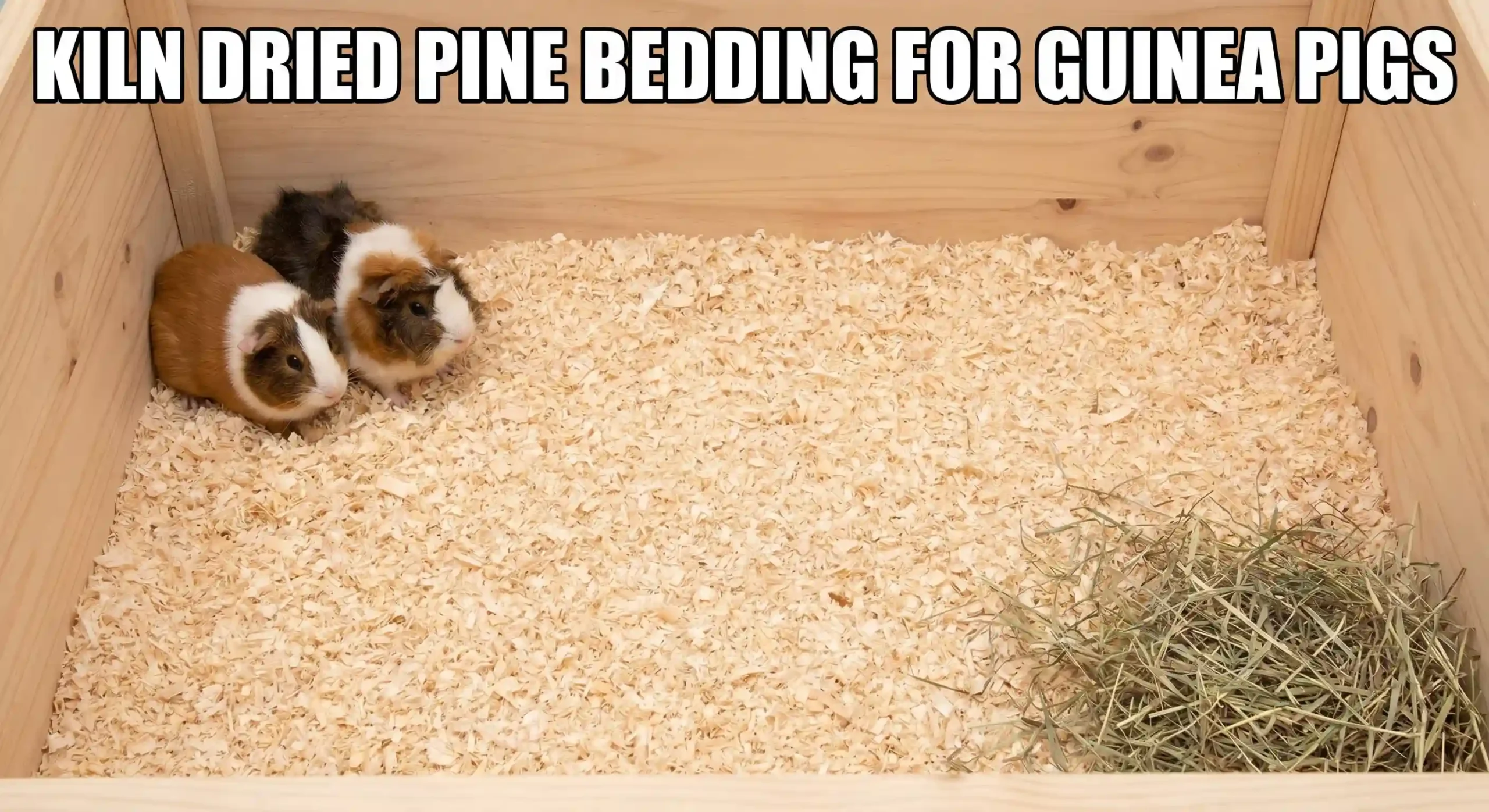
When I first brought my guinea pigs home, I spent hours reading about bedding. One topic kept coming up again and again: kiln dried pine bedding for guinea pigs. Some people said it was safe. Others warned against it. I felt confused fast.
So I decided to test it myself.
Over the past year, I used fleece, paper bedding, and kiln-dried pine in different cages and setups. I paid close attention to smell, dust, cleanup time, and how my guinea pigs reacted. Some days went great. Other days taught me what not to do.
This article is my honest experience. I’ll share what worked for me, what caused problems, and what I would do differently now.
Table of Contents
What Is Kiln-Dried Pine Bedding?
Kiln-dried pine bedding is pine wood shavings that go through a high-heat drying process. The heat removes most of the natural oils called phenols. Those oils are the main reason regular pine bedding gets a bad reputation.
Before I learned this, I thought all pine bedding was dangerous. That is not fully true.
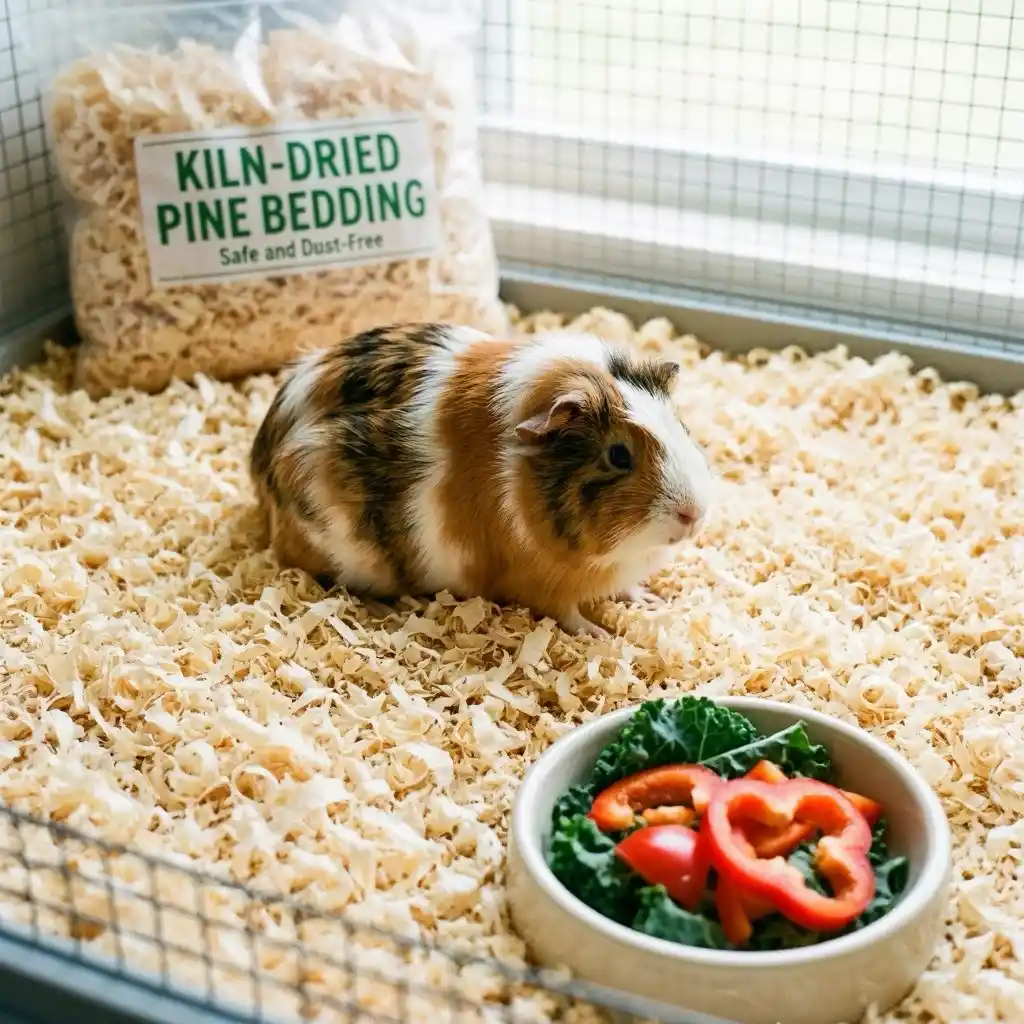
Regular pine and kiln-dried pine are very different products.
Here is the simple breakdown I wish someone had given me earlier.
| Bedding Type | Safe for Guinea Pigs? | Main Issue |
| Regular Pine | Usually No | Strong oils and fumes |
| Kiln-Dried Pine | Often Yes | Dust depends on brand |
| Cedar Bedding | No | Can hurt breathing |
The first bag I bought clearly said “kiln-dried” and “99% dust free.” I checked that label twice before using it.
Why I Tried Kiln-Dried Pine Bedding ?
At first, I used paper bedding only. My guinea pigs seemed happy, but I noticed two problems very fast.
The cage smelled bad after just two days. And the cost added up every month.
One rainy week, I cleaned the cage three times because the paper bedding stayed damp. That was the moment I started looking for other options.
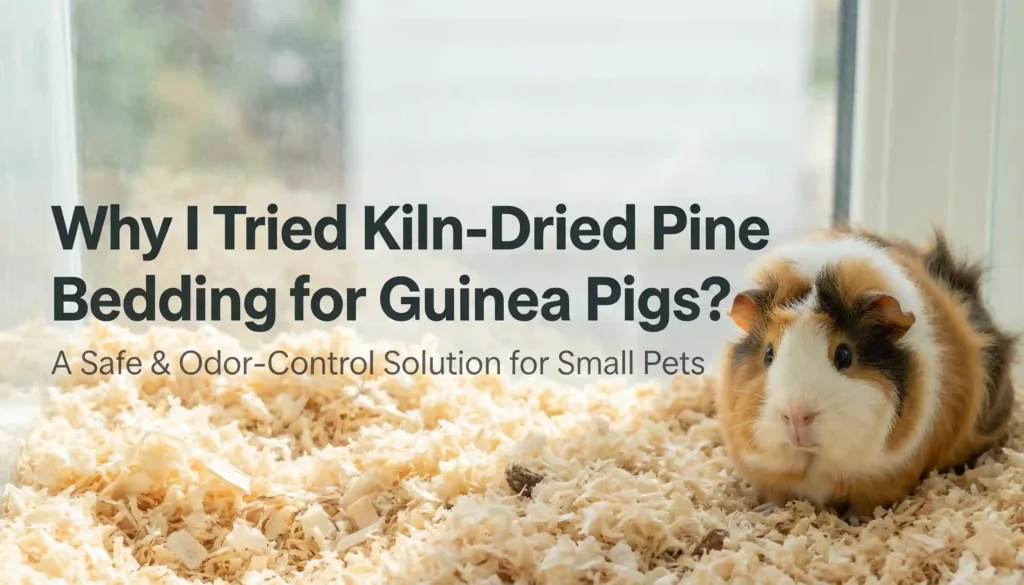
I saw many guinea pig owners talking about kiln dried pine bedding for guinea pigs because it was cheaper and controlled odor better. I decided to test it in one section of the cage first instead of changing everything at once.
That small test helped a lot.
My First Experience Using It
The first thing I noticed was the smell. Not a strong chemical smell. More like fresh wood in a clean workshop.
That mattered to me.
If the bedding had smelled too strong, I would not have used it. Strong pine odor usually means more oils are still inside the wood.
The second thing I noticed was how dry the cage stayed. My guinea pigs drink a lot of water, and the area near the bottle always gets messy. Pine shavings absorbed moisture much faster than paper bedding in my setup.
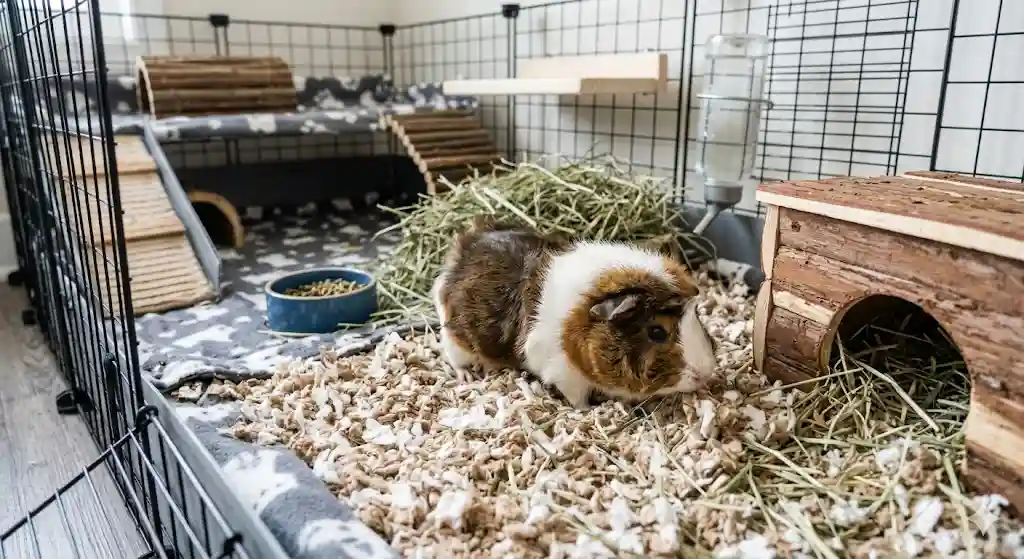
Cleanup also became easier.
Instead of scooping out heavy wet paper clumps, I could quickly remove dirty spots each morning before work. That saved me time during busy weeks.
Still, it was not perfect.
The Biggest Problem I Faced: Dust
Even though the package claimed low dust, I still saw small particles at the bottom of the bag.
One evening, while pouring fresh bedding into the cage, I noticed dust floating near the light from my kitchen window. That made me nervous.
Guinea pigs have sensitive lungs. Dust can become a real issue over time.
So I changed my routine.
Before adding new bedding, I started shaking small amounts outside first. It looked silly at times, especially during windy days, but it helped reduce loose dust a lot.
I also avoided dumping the whole bag into the cage at once.
That simple habit made the air cleaner for both me and my guinea pigs.
How My Guinea Pigs Reacted
This was the part I watched most carefully.
At first, I worried they would sneeze or avoid the bedding. But honestly, they acted normal from day one. They still zoomed around the cage at night and buried themselves under hay piles like tiny potatoes.
I checked their eyes, breathing, and feet every day during the first two weeks.
Here is what I noticed:
| Observation | What Happened in My Cage |
| Sneezing | Very rare |
| Odor control | Much better than paper |
| Moisture control | Excellent |
| Tracking outside cage | Moderate |
| Cleanup time | Faster |
| Softness | Less soft than fleece |
One thing surprised me most.
The cage smelled fresher for longer. I did not expect such a big difference there.
With paper bedding, I often smelled ammonia after two days. With kiln-dried pine, the cage stayed fresher closer to four days before needing a full clean.
What I Did Wrong at First
I made one mistake early on.
I bought a cheaper brand during a store sale without checking reviews. Big mistake.
The shavings were rough, dusty, and uneven. Some pieces looked almost sharp. My guinea pigs did not seem comfortable walking on it.
That experience taught me something important.
Not all kiln-dried pine bedding is equal.
Some brands process the wood much better than others. Cheap bedding may still contain dust and rough pieces even if the label sounds safe.
After that, I stayed with higher-quality small animal bedding only.
Is Kiln-Dried Pine Better Than Fleece?
I used fleece liners for months too, so I can compare both honestly.