

When I first brought my two small guinea pigs home on a rainy Tuesday morning, I wanted to be the best pet parent ever. I sat on my kitchen floor. I watched them sniff around their new cage. Like anyone with a new pet, I started looking up what fresh foods they could eat. I had a box of bright red cherry tomatoes on my counter. I wondered if these sweet snacks were safe for my new furry friends.
The short answer is yes. They can eat them. But my own journey taught me that it is not as simple as throwing a few whole tomatoes into their run. I made a few small mistakes early on. I also learned a lot about how these little animals digest their food.
Today, I want to share my real story with you. I will tell you what worked for my pets. I will show you what went wrong. I will tell you how you can keep your own small cavies safe and happy.
Table of Contents
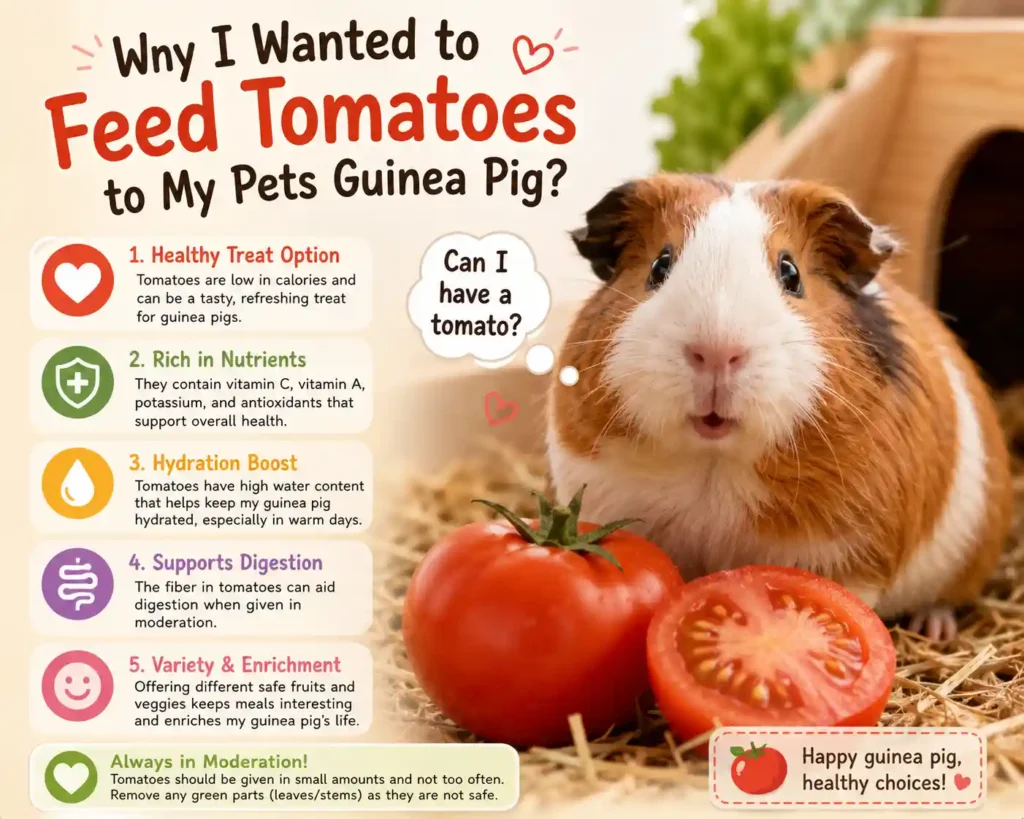
Why I Wanted to Feed Tomatoes to My Pets?
Guinea pigs cannot make their own Vitamin C. This is just like us humans. If they do not get enough of this vitamin in their daily food, they can get very sick. They can even get a disease called scurvy.
That first week, I noticed my pets loved their dry pellets. But they seemed bored. I wanted to add some juicy variety to their lives. I chose tomatoes because they are packed with good nutrients.
The Good Stuff Inside the Fruit
Tomatoes have a lot of great benefits for a small pet when you serve them the right way. Here is what my research and my vet visits taught me about what is inside this red fruit:
- Vitamin C: This is the big win. It keeps their skin, joints, and immune systems strong.
- Vitamin A: This helps support their eyesight and cell growth.
- Fiber: Guinea pigs need heaps of fiber to keep their gut moving well.
- Water: Tomatoes are full of juice. This helps keep your small pets cool and hydrated on hot summer days.
I remember the first time I dropped a small piece into their bowl. My braver pig ran over. He grabbed it. He dashed into his plastic igloo. The wet chewing sounds were loud and funny. He loved it. But as I watched him eat, I knew I had to make sure I was not overdoing it.
The Hidden Dangers I Learned About the Hard Way
Not everything about this fruit is safe. In fact, parts of the tomato plant are highly toxic to small pets. I learned this early on. It gave me a big scare.
The Threat of Green Poison
One afternoon, I brought a big tomato from my backyard garden into the house. It still had the long green stem and a few leaves attached to the top. I almost cut the whole thing up to give to my pets. Thankfully, I stopped. I checked my facts first.
Tomato plants belong to the nightshade family. The green stems, wild leaves, vines, and any unripe green parts contain a chemical called solanine. This compound is a powerful poison for guinea pigs.
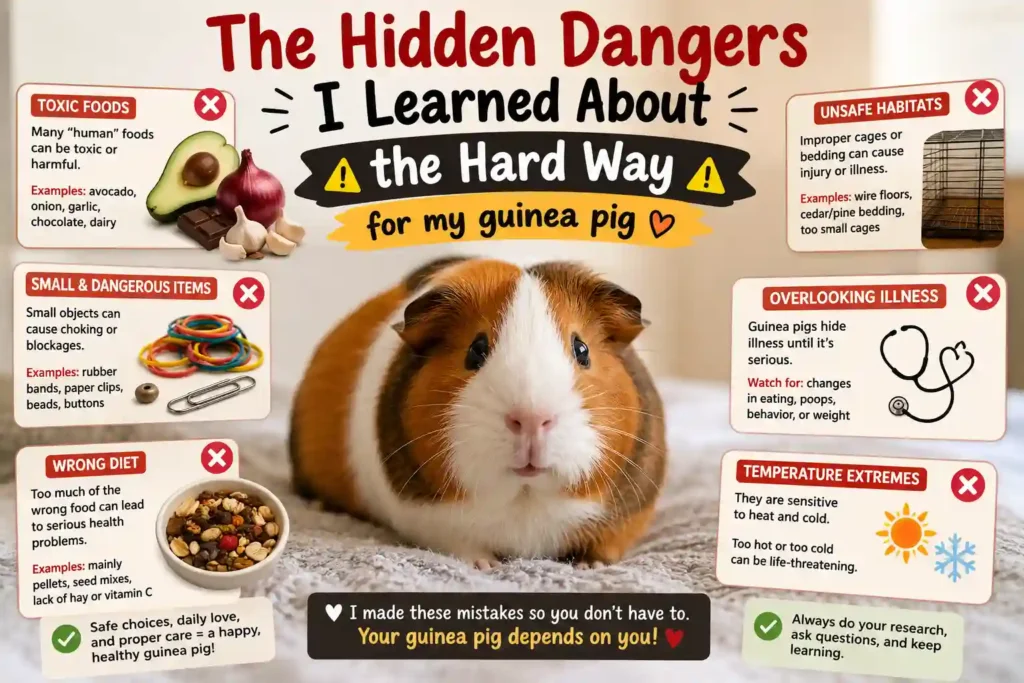
Important Warning: Never let your guinea pigs touch the green parts of a tomato plant. If you grow them in your yard, keep your pets far away from the garden beds.
If a cavy eats these green parts, they can get very sick. They might drool. They might get severe stomach pain. They can even pass away. Now, I always wash the fruit. I cut a deep circle around the top to remove every single trace of green before my pets get anywhere near it.
The Sticky Mess of Too Much Sugar
Another thing to keep in mind is that tomatoes are quite sweet. They contain a lot of natural sugar compared to green leafy vegetables. A pig’s stomach is built to process tough grasses like Timothy hay, not sweet treats.
When I fed my pets too much fruit two days in a row, their poop became very soft and messy. It was not fun to clean up. It showed me that their small bellies were stressed. I had to scale back fast.
How Much and How Often? My Safe Feeding Routine
To keep things clear, I created a simple guide for myself based on advice from my exotic pet vet. This helped me balance their diet without causing any more tummy trouble.
A Quick Look at Safe Feeding Specs
| Tomato Type | Safe Serving Size | How Often to Feed | Key Step Before Serving |
| Cherry Tomato | Half of one small berry | 1 or 2 times a week | Cut in half and check for seeds |
| Plum Tomato | One thin one-inch slice | 1 or 2 times a week | Remove any green core completely |
| Beefsteak Tomato | One small square chunk | Once a week | Wash well to remove any spray |
Now, I stick strictly to this plan. I treat tomatoes like a rare prize, not a daily meal. Their main food is always fresh hay and green grass.
The Painful Mouth Sore Issue:- Cheilitis
About two months into owning my pets, I noticed something strange on the lower lip of my white guinea pig. It looked like a tiny, crusty brown scab. He seemed a bit slow to eat his hard hay, too.
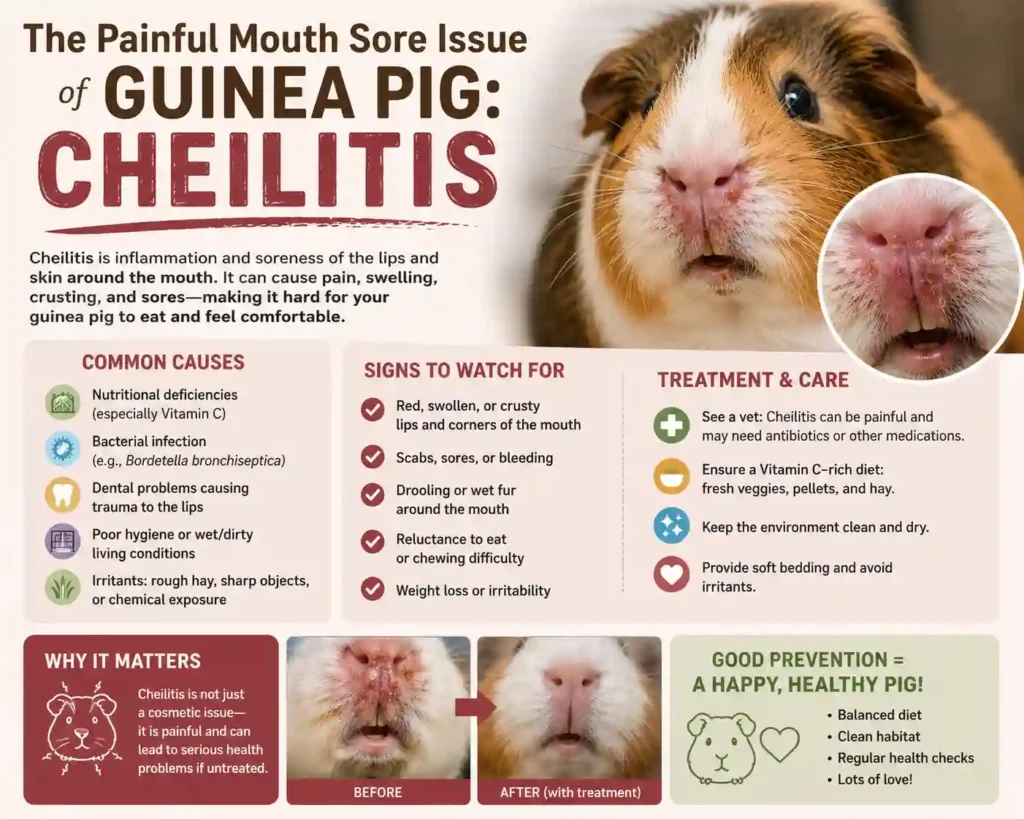
I took him to the vet clinic down the road. The vet took a close look. He told me it was a condition called cheilitis. This is a painful inflammation of the lips that causes scabs and sores.
What Causes These Lip Sores?
The vet explained that tomatoes are highly acidic. If a small pet eats too many acidic foods, the acid can irritate the delicate skin around their mouth. Bacteria or fungus then get into the tiny cracks. This creates a nasty crusty sore.
I felt terrible. I thought I was being a good pet owner by giving him fresh vitamins. But the acid was hurting him.
How We Fixed It?
The fix was simple but required patience. I had to stop feeding all the tomatoes, fruit, and apples right away. The vet gave me a safe cream to rub on his lip twice a day. It took about two weeks for the scab to fall off. His pink skin healed.
Now, I am much more careful. If I feed a piece of juicy tomato, I make sure it is small. I also pair it with dry hay. This helps wipe their mouths naturally as they chew. If I ever see a hint of dryness on their lips again, the fruit goes away for a long time.
Step-by-Step:- How I Prepare Tomatoes for My Pets
I have a strict routine now when I prepare this snack. It takes me less than two minutes. But it ensures my pets stay safe from poison and choking.
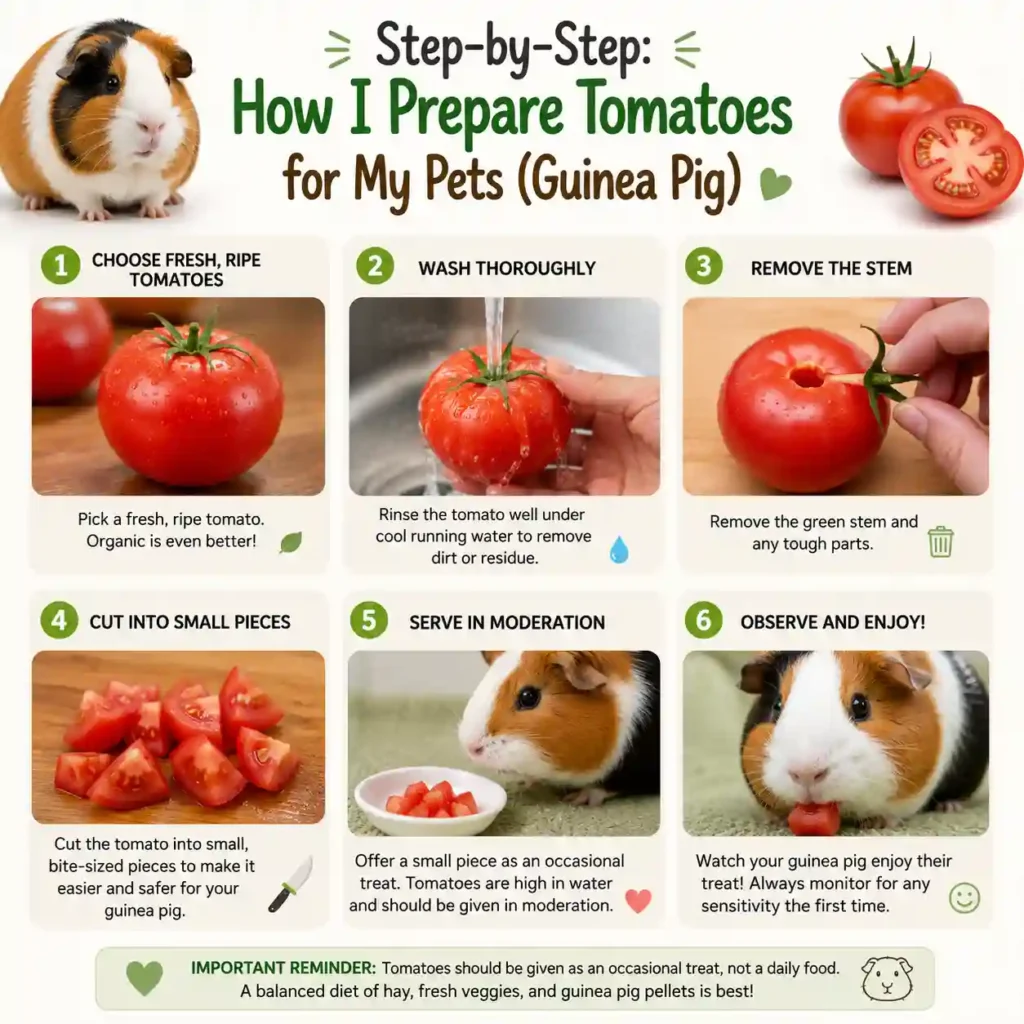
My Kitchen Preparation Steps:
- Choose Ripe Fruit: I only pick tomatoes that are bright red and firm. If it feels mushy or looks green, I throw it out. Sometimes I use it for my own dinner.
- Wash Well: I rinse the fruit under cold running tap water for thirty seconds. This removes any dirt, bugs, or chemical sprays from the farm.
- Cut Off the Green: I use a sharp knife to chop off the top section. I make sure no bits of stem remain on the red flesh.
- Slice Into Small Chunks: I cut the red flesh into a small, bite-sized square. This makes it easy for their small mouths to grab.
- Check for Excess Seeds: A few seeds are fine. But a huge clump of seeds can be a choking hazard. It can also cause wet poop. I scrape away big clumps of seeds with my thumb.
- Serve and Watch: I place the piece in their clean ceramic dish. I always stay in the room to watch them eat it. I do this just to make sure they do not choke or fight over the piece.
This simple routine gives me peace of mind. It turns treat time into a fun, stress-free moment for both me and my cavies.
Can They Eat Other Types of Tomato Products?
People often ask me if they can share their own food with their pets. The answer here is a loud and clear no. My rules for my pets are very strict when it comes to processed foods.
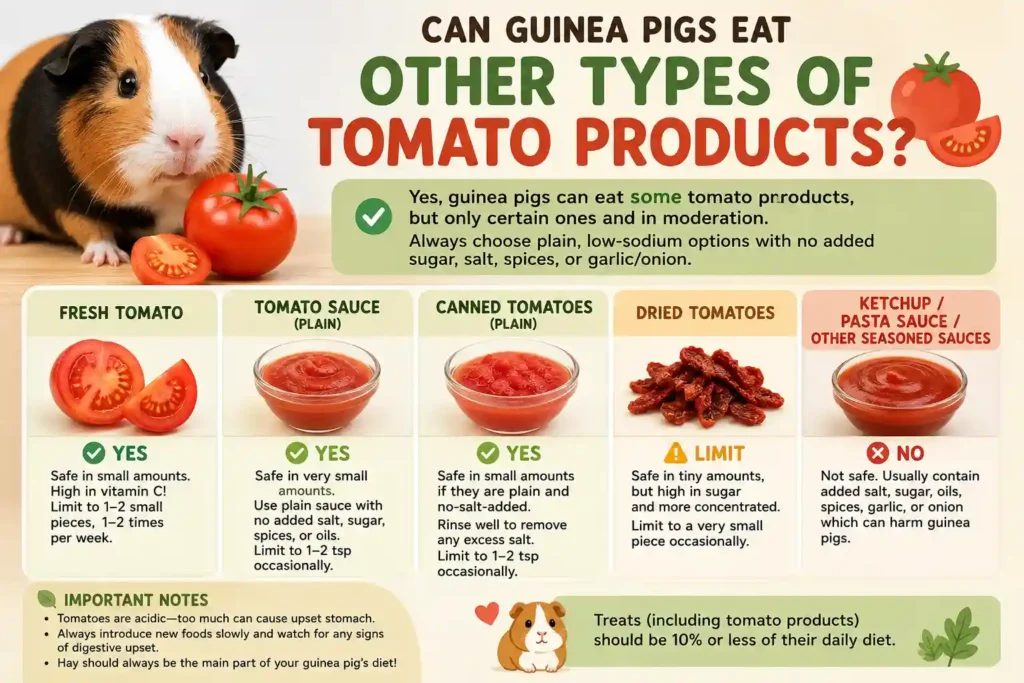
The Danger of Canned Foods and Sauces
Never give your guinea pigs tomato sauce, paste, or soup from a can. These items are cooked down. They are packed with added salt, white sugar, garlic, and onions. Garlic and onions can destroy a guinea pig’s red blood cells. They cause severe illness.
What About Sun-Dried Tomatoes?
Dried fruits and vegetables are much too concentrated. They contain way too much sugar for a small pet’s cecum to handle. Stick strictly to raw, fresh, ripe red flesh from a real vegetable stand. Anything else is just asking for a costly trip to the animal hospital.
How to Spot a Bad Reaction in Your Pet?
Every animal is different. Just because my pets can eat a small piece of tomato does not mean your pet will handle it the same way. When you try feeding it for the first time, you must watch them closely for the next twenty-four hours.
Signs Your Guinea Pig Cannot Handle Tomatoes:
- Loose Stools: If their droppings look wet, watery, or misshapen, their gut is unhappy.
- Lethargy: If your pet sits in a corner with puffed-up fur and does not want to move, they might have bad gas or stomach pain.
- Refusing Food: If they turn their nose up at their favorite hay after eating a tomato, stop feeding the fruit immediately.
- Mouth Cracks: Look for tiny red marks or white crust around their lips after they eat juicy foods.
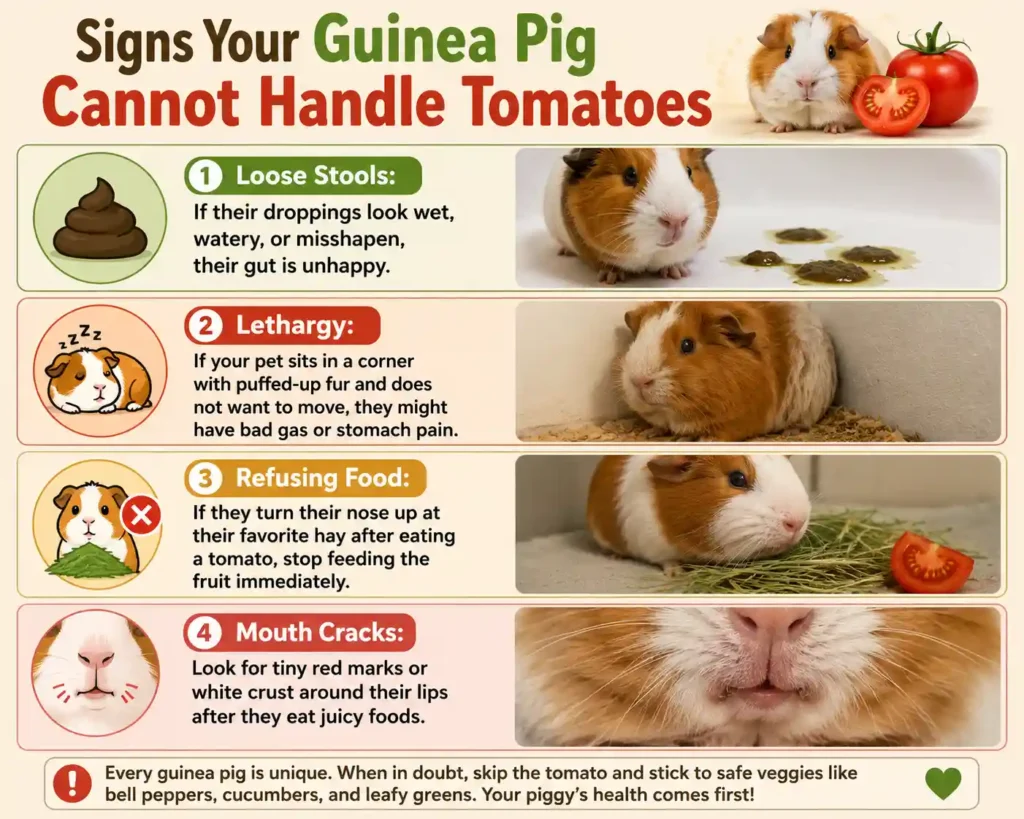
If you see any of these signs, stop giving them the fruit. Give them plenty of fresh water and clean Timothy hay to help their system reset. If they do not improve by the next morning, call your local vet for advice.
Great Alternatives for Fresh Vitamin C
If you try tomatoes and find they do not suit your pet, do not worry. There are plenty of other fantastic ways to get that essential Vitamin C into their bodies without the high acid content.
My Top Safe Daily Greens
I love using bell peppers as my main source of fresh vitamins now. Green, yellow, and red bell peppers are amazing. They have heaps of Vitamin C. But they contain much less sugar and acid than tomatoes. My pets get a slice of green bell pepper almost every single day. Their teeth and coats look wonderful.
Fresh sprigs of parsley, coriander, and small pieces of green kale are also fantastic choices. I like to rotate these greens throughout the week. This keeps my pets excited for breakfast. It keeps their vitamins balanced and safe.
Final Thoughts from My Kitchen to Yours
At the end of the day, raising guinea pigs is all about learning what works for your specific animals. Tomatoes can absolutely be a safe, delicious, and healthy treat for your furry family members. You just have to be the gatekeeper.
Be sure to cut away every bit of green stem. Keep the portions down to a tiny square. Limit the treat to just once or twice a week. Watch out for those pesky lip sores. Enjoy the cute squeaks your pets make when they see you walk into the room with a fresh snack.
Taking care of small pets takes some work. But seeing them pop up and down with joy makes every bit of effort totally worth it.
FAQ : Can Guinea Pigs Eat Tomatoes
Can I use a Dewalt utility knife to safely cut tomatoes for my guinea pigs?
Yes. A sharp Dewalt knife makes clean cuts so you do not crush the fruit. Always wash the blade first to keep the food clean and safe.
Is a Milwaukee plastic scraper good for cleaning squished tomato mess from a cage?
A Milwaukee scraper removes stuck mess fast without scratching the plastic tray. It keeps your hands clean and saves your fingernails during cage cleanup.
Should I store my pet food prep tools in a cold garage or shed?
Keep your steel knives and tools inside the house. Cold, damp air in a garage makes metal rust fast and ruins the sharp cutting edge.
Does a Makita cordless vacuum help clean up dry hay and tomato seeds?
A small Makita vacuum has great power to clear heavy mess from the floor. It sucks up tough stems and stray seeds in just a few seconds.