
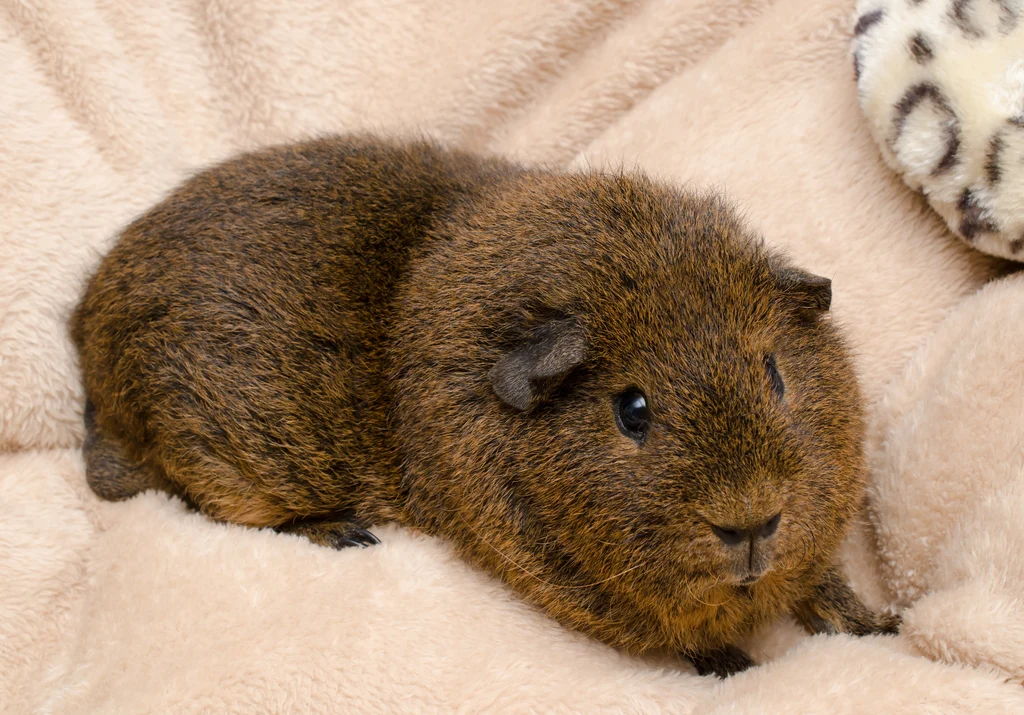
A rex guinea pig is a short, curly-coated cavy known for its plush fur and friendly nature.
I have cared for and studied small mammals for years, and this guide brings practical, evidence-based, and friendly advice about the rex guinea pig. You will learn what makes a rex guinea pig unique, how to care for one day to day, common health concerns, and real tips from hands-on experience so you can make an informed choice and give a happy home to this charming pet.

What is a rex guinea pig?
A rex guinea pig is a breed of guinea pig with dense, curly fur and a soft, plush feel. The rex coat results from a genetic difference that shortens and curls the guard hairs and whiskers. This gives the rex guinea pig a velvety look and a tactile appeal that many owners love. Rex guinea pig also tend to have a sturdier body and expressive eyes, which makes them great pets for families and first-time owners.

Appearance and varieties of rex guinea pig
Rex guinea pig come in many colors and patterns. Their fur can be solid, agouti, brindle, or roan, and colors range from black to cream and orange. The defining trait is the curl and density of the coat, plus shorter whiskers that curl. Some rex guinea pig show slightly different curl tightness; breeders sometimes call these types by informal names, but the core trait remains the same.

Temperament and behavior
Rex guinea pig are usually calm, curious, and social animals. They enjoy gentle handling and will often greet you with soft noises when they expect food or attention. They bond well with people and other guinea pigs, so keeping at least two is often recommended for their mental health. From personal experience, a shy rex can become confident in a few weeks with steady, quiet interaction and tasty treats.

Housing and environment
A safe, comfortable home matters most for a rex guinea pig’s wellbeing.
- Cage size: Provide at least 7.5 square feet for one guinea pig, larger for two or more.
- Bedding: Use absorbent, low-dust bedding like paper-based or fleece liners.
- Hiding spots: Offer tunnels or huts so your rex guinea pig can hide and relax.
- Temperature: Keep the room between 65–75°F and avoid drafts or direct sunlight.
- Enrichment: Add chew toys, tunnels, and safe platforms to encourage movement.
Rex guinea pig enjoy exploration and need space to hop and forage. Place their cage in a quiet part of the home where they can see family activity without loud noise.

Diet and nutrition
Rex guinea pig need a balanced, consistent diet to stay healthy.
- Hay: Unlimited timothy hay or grass hay is essential for digestion and teeth wear.
- Pellets: Offer a daily measured portion of guinea pig pellets fortified with vitamin C.
- Vegetables: Provide fresh veggies daily, especially vitamin C-rich choices like bell peppers and kale.
- Fruits: Give fruit as an occasional treat due to sugar content.
- Water: Fresh water should be available at all times in a clean bottle or heavy bowl.
I learned early on to introduce new veggies slowly to avoid digestive upset. Always monitor stool and appetite; changes can mean a need to adjust diet or seek veterinary care.

Grooming and coat care
Grooming for a rex guinea pig is easier than for long-coated breeds but still important.
- Brushing: Gently brush once or twice weekly to remove loose fur and reduce dust.
- Bathing: Avoid frequent baths; only bathe when necessary and use small-animal shampoo.
- Nails: Trim nails every 4–6 weeks to prevent overgrowth and discomfort.
- Ear and teeth checks: Inspect ears and teeth during grooming for signs of infection or overgrowth.
The rex coat can trap less debris than long fur, but check skin for dryness or irritation. If you spot bald patches or persistent scratching, consult a vet.

Health issues and signs to watch
Rex guinea pig are generally hardy, but they have some breed-specific and common guinea pig concerns.
- Dental problems: Overgrown teeth can cause drooling, weight loss, and poor eating.
- Respiratory infections: Watch for sneezing, nasal discharge, and labored breathing.
- Skin issues: Mites, fungal infections, or dermatitis can show as itching, hair loss, or scabs.
- Vitamin C deficiency: Guinea pigs cannot make vitamin C and can develop scurvy if diet lacks it.
- Obesity and gut stasis: Poor diet or lack of exercise can lead to serious problems.
Seek vet care quickly for poor appetite, breathing issues, or sudden lethargy. Early treatment often leads to better outcomes.

Breeding and genetics overview
If you consider breeding rex guinea pig, understand basic genetics and responsibilities. The rex coat is tied to specific genes that influence hair texture and whiskers. Responsible breeding requires knowledge of genetics, health screening, and plans for offspring homes. Avoid accidental breeding and pair only healthy animals after consulting experienced breeders or a specialized vet. Breeding without experience can create welfare and health problems for both sows and pups.
Lifespan, cost, and where to get one
A well-cared-for rex guinea pig typically lives 5–8 years, sometimes longer with excellent care. Initial costs include cage, food, bedding, and vet checks; expect a modest investment for proper housing and supplies. Buying from a reputable breeder or adopting from rescues is recommended to get a healthy, well-socialized rex guinea pig. Rescue groups often provide vetted animals and good advice, while breeders can provide lineage and trait information.
Tips for first-time rex guinea pig owners
Here are clear, practical tips to help you and your rex guinea pig thrive.
- Start with two: Guinea pigs are social and do better with a cage mate.
- Create routine: Feed, clean, and handle at similar times to reduce stress.
- Watch body language: Quiet squeaks, purring, and popcorning indicate contentment.
- Vet check early: Schedule an initial wellness exam with an experienced exotics vet.
- Prepare for commitment: A rex guinea pig needs daily care and attention for years.
From my experience, setting up the cage a few days before bringing home a rex guinea pig reduces stress for everyone. Small prep helps settle them faster.
Common questions inside the guide
Q: Do rex guinea pig need special grooming?
A: They need less grooming than long-haired breeds but still require weekly brushing, nail trims, and skin checks.
Q: Are rex guinea pig good for kids?
A: Yes, with supervision. They are gentle, but kids should be taught safe handling and to respect quiet times.
Q: Can rex guinea pig live alone?
A: They can survive alone, but social contact with another guinea pig improves mental health and reduces stress.
Frequently Asked Questions of rex guinea pig
What makes a rex guinea pig different from other breeds?
Rex guinea pig have a distinct short, curly coat caused by genetic variation that shortens guard hairs. They also have a plush texture and slightly different whisker shape than smooth-coated breeds.
How often should I handle my rex guinea pig?
Handle your rex guinea pig daily for short, calm sessions to build trust and socialization. Regular gentle handling helps them stay comfortable with people and lowers stress.
Do rex guinea pig need vitamin C supplements?
They need vitamin C from food or a supplement since guinea pigs cannot synthesize it. Provide vitamin C–rich vegetables daily and use supplements only if dietary intake is insufficient.
Are rex guinea pig hypoallergenic?
No breed is truly hypoallergenic; rex guinea pig may shed less visible hair but still produce dander and saliva that can trigger allergies. People with allergies should spend time with one before adopting.
How do I find a healthy rex guinea pig?
Choose a reputable breeder or rescue, look for bright eyes, clean nose, active behavior, and solid weight. Ask about health history and any vet checks before taking a rex guinea pig home.
Can rex guinea pig be kept outdoors?
Outdoor housing is not recommended in most climates due to predation, temperature swings, and weather. If outdoors, housing must be predator-proof, insulated, and climate-controlled.
What is the best bedding for a rex guinea pig?
Paper-based or washable fleece liners are good options as they are absorbent and low-dust. Avoid cedar or pine shavings, which can irritate respiratory systems.
Conclusion
Rex guinea pig are charming, tactile, and social pets that suit many homes. With the right diet, housing, grooming, and vet care, a rex guinea pig can live a healthy, happy life for several years. Start with solid supplies, pair them with a compatible companion, and build a daily routine to keep them thriving. If you enjoyed this guide, consider adopting from a rescue, subscribing for more pet care tips, or leaving a comment with your rex guinea pig stories.