
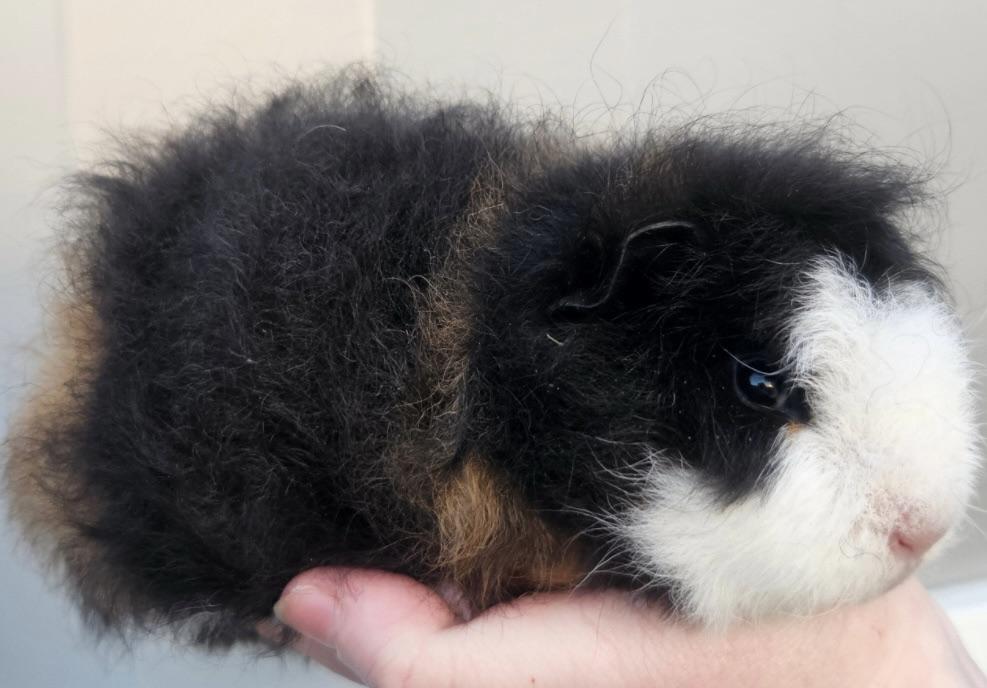
Texel guinea pig: a small, curly-coated breed known for its soft, wavy fleece and sweet nature.
I have cared for and studied small pet breeds for several years, including texel guinea pig care and behavior. This article explains what a texel guinea pig is, how to care for one, common health concerns, and tips for choosing or adopting. Read on for practical advice, clear steps, and real-life tips drawn from hands-on experience and current breed knowledge.

What is a Texel Guinea Pig?
The texel guinea pig is a fancy breed known for dense, curly fur that covers its body. It was first developed from selective breeding of longhaired guinea pig lines. Texel guinea pig coats curl from the head down to the rump, giving them a plush, wool-like look. As a caregiver, I learned to spot texel traits by their tight, spiral curls and soft feel. People ask how a texel guinea pig differs from other breeds; the short answer is coat texture and grooming needs.

Appearance and Coat Characteristics
Texel guinea pig coats are long, curly, and often springy when stroked. Their hair can be a wide range of colors and patterns, including solids, agouti, and roans. The curls form in tight ringlets at the back and tend to be looser near the head. Key traits include:
- Dense curls that require gentle handling.
- Softer, wool-like texture compared to smooth-haired breeds.
- Variable coat length, often longer on the body and shorter on the face.

Temperament and Behavior
Texel guinea pigs are typically friendly and curious animals. They enjoy human contact and often respond to gentle handling with purring or squeaks. Like other guinea pigs, they are social and do best with a companion of their own species. From my experience, texel guinea pigs bond quickly when handled daily and kept in calm environments.

Housing and Environment
A texel guinea pig needs a roomy, safe habitat. Provide a cage with solid flooring and plenty of bedding to protect their feet. They enjoy hiding spots and soft textiles that won’t tangle their curls. Recommended basics:
- Minimum cage size of 7.5 square feet for one guinea pig, larger for pairs.
- Soft, dust-free bedding such as paper-based products.
- Hideouts, tunnels, and chew toys for stimulation.
- A calm area away from drafts and loud noise.

Diet and Nutrition
Good food keeps a texel guinea pig healthy and their coat in good shape. Fresh hay should be available at all times for digestion and dental health. Pellets formulated for guinea pigs and fresh vegetables provide vitamins and fiber. Key points:
- Unlimited timothy hay or grass hay.
- One or two tablespoons of pellet food per day for adults.
- Daily fresh vegetables rich in vitamin C, such as bell peppers and leafy greens.
- Limited fruits as treats to avoid excess sugar.

Grooming and Maintenance
Grooming a texel guinea pig is more involved than with short-haired breeds. Regular brushing prevents matting and keeps curls defined. You will need to check the coat weekly and gently remove any debris. Practical tips:
- Use a soft-bristle brush or wide-tooth comb to detangle.
- Trim hair near the rear if it becomes soiled to avoid hygiene issues.
- Bathe only when necessary using a mild small-pet shampoo.
- Keep nails trimmed and check teeth during routine care.

Health, Common Issues, and Lifespan
Texel guinea pigs live about 5 to 7 years with proper care. They can face common issues such as skin problems, mites, and overgrown teeth. Their dense coats may hide wounds or parasites, so frequent checks are important. Regular vet checks and prompt care for respiratory or digestive signs are critical. From my experience, early attention to coat or skin changes prevents bigger problems.

Breeding, Genetics, and Coat Inheritance
The texel coat comes from specific genes that affect hair texture and growth. Breeders select for tight curls and healthy skin. Breeding should be done responsibly to avoid health problems and genetic issues. If you plan to breed texel guinea pigs, follow ethical practices:
- Ensure both parents are healthy and vet-checked.
- Avoid breeding closely related animals to reduce risk of genetic issues.
- Understand that coat traits may vary in litters; not all pups will have perfect curls.

Choosing and Adopting a Texel Guinea Pig
When selecting a texel guinea pig, look for bright eyes, clean ears, and a clean, well-kept coat. Handle the animal gently to check temperament and comfort with human touch. Ask the breeder or shelter about health history and socialization. Cost depends on source but also include ongoing care expenses:
- Adoption fees or breeder prices vary widely.
- Budget for a good cage, vet care, food, and grooming tools.
- Choose a pair or companion when possible, since guinea pigs are social.
Frequently Asked Questions of texel guinea pig
What makes the texel guinea pig different from other breeds?
The texel guinea pig stands out for its dense, curly coat and soft texture. Its curls require more grooming than short-haired breeds.
How often should I groom a texel guinea pig?
Grooming should occur at least once a week, with more frequent checks for tangles. Spot checks after playtime help catch debris early.
Do texel guinea pigs need special food because of their coat?
No special food is required solely for the coat, but a balanced diet supports skin and hair health. Ensure plenty of hay, pellets, and vitamin C-rich veggies.
Can texel guinea pigs live with other guinea pig breeds?
Yes, they can live with other breeds if introduced carefully and matched by size and temperament. Same-sex pairs or neutered mixes are common.
What common health problems affect texel guinea pigs?
Common issues include skin mites, fungal infections, dental problems, and respiratory infections. Regular checks and vet care reduce risks.
How long does a texel guinea pig typically live?
With good care, a texel guinea pig usually lives between 5 and 7 years. Good diet, housing, and vet care help extend lifespan.
Are texel guinea pigs good pets for first-time owners?
They can be suitable for new owners who are ready to commit to grooming and daily care. Learning proper handling and routine checks makes ownership easier.
Conclusion
Texel guinea pigs are charming, curly-coated pets that reward owners with friendly behavior and unique looks. They need extra grooming, a stable diet, and regular health checks to thrive. If you want a pet with personality and a plush coat, a texel guinea pig can be a wonderful companion. Take the next step: visit a shelter or reputable breeder, prepare a proper habitat, and start with basic grooming practice. Share your experience or questions below, and consider subscribing for more small-pet care guides.