
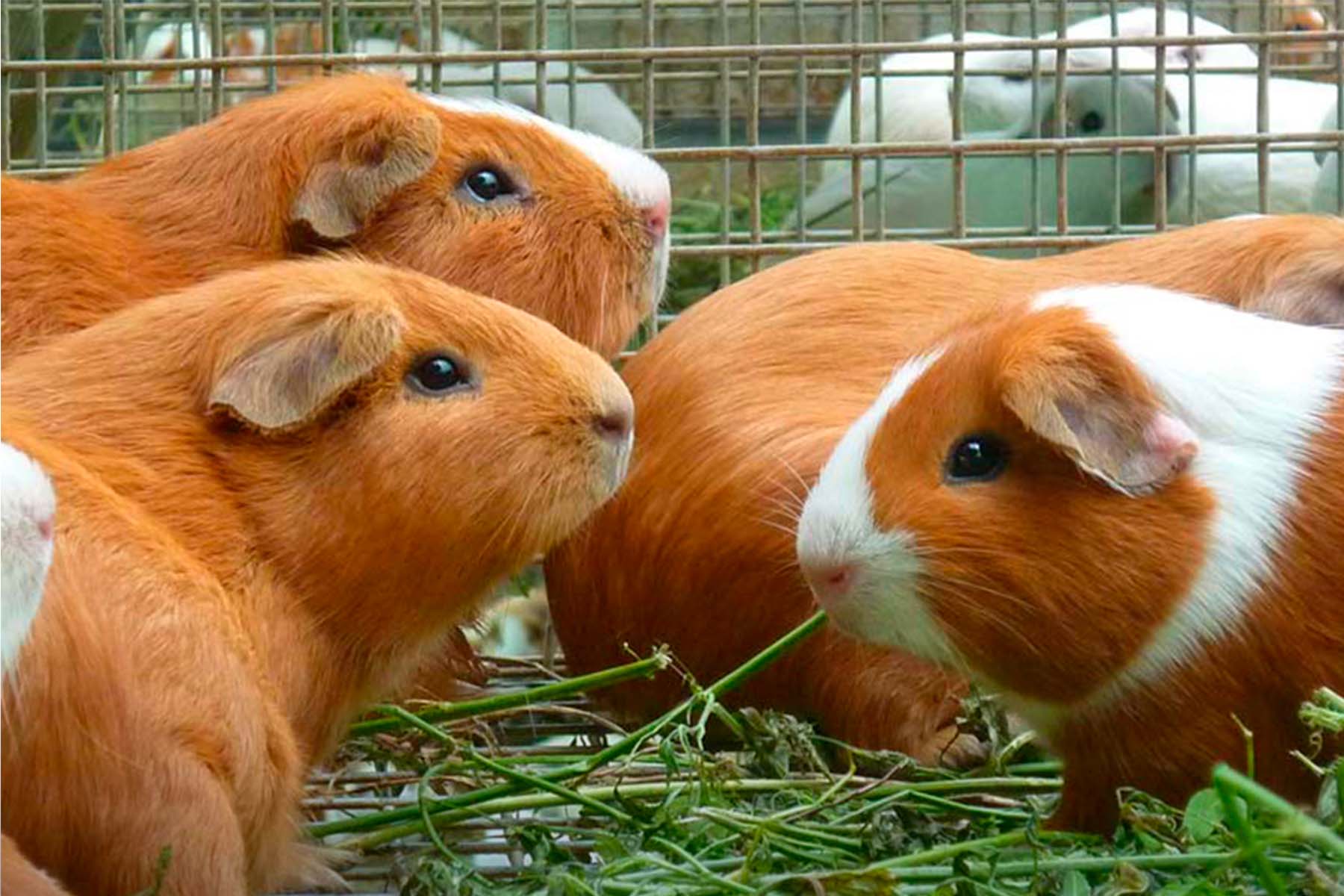
Cuy guinea pig is a domesticated South American rodent raised for meat and as pets.
I have worked with small mammal care and Andean animal husbandry for years, and I write about cuy guinea pig from hands-on experience and research. This guide explains what a cuy guinea pig is, how to care for one, and why they matter both as pets and as part of cultural foodways. Read on for clear, practical advice, feeding plans, health tips, breeding basics, and real-life lessons that help you keep cuy guinea pig healthy and happy.
What is a cuy guinea pig? Definition and background
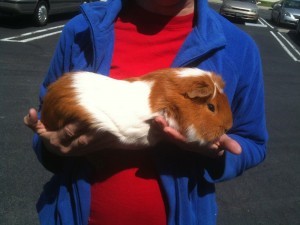
A cuy guinea pig is a type of domestic guinea pig common in the Andes. People raise cuy guinea pig both as a companion and as food in several South American cultures. Historically, families kept cuy guinea pig for meat, trade, and ceremonies. Today, they are also kept worldwide as pets and for small-scale farming.
Cuy guinea pig are different from show guinea pigs in body shape and temperament. They often have leaner builds and stronger, faster breeding cycles. Knowing this helps you plan housing, diet, and care that fit the animal’s needs.
Physical traits and common breeds
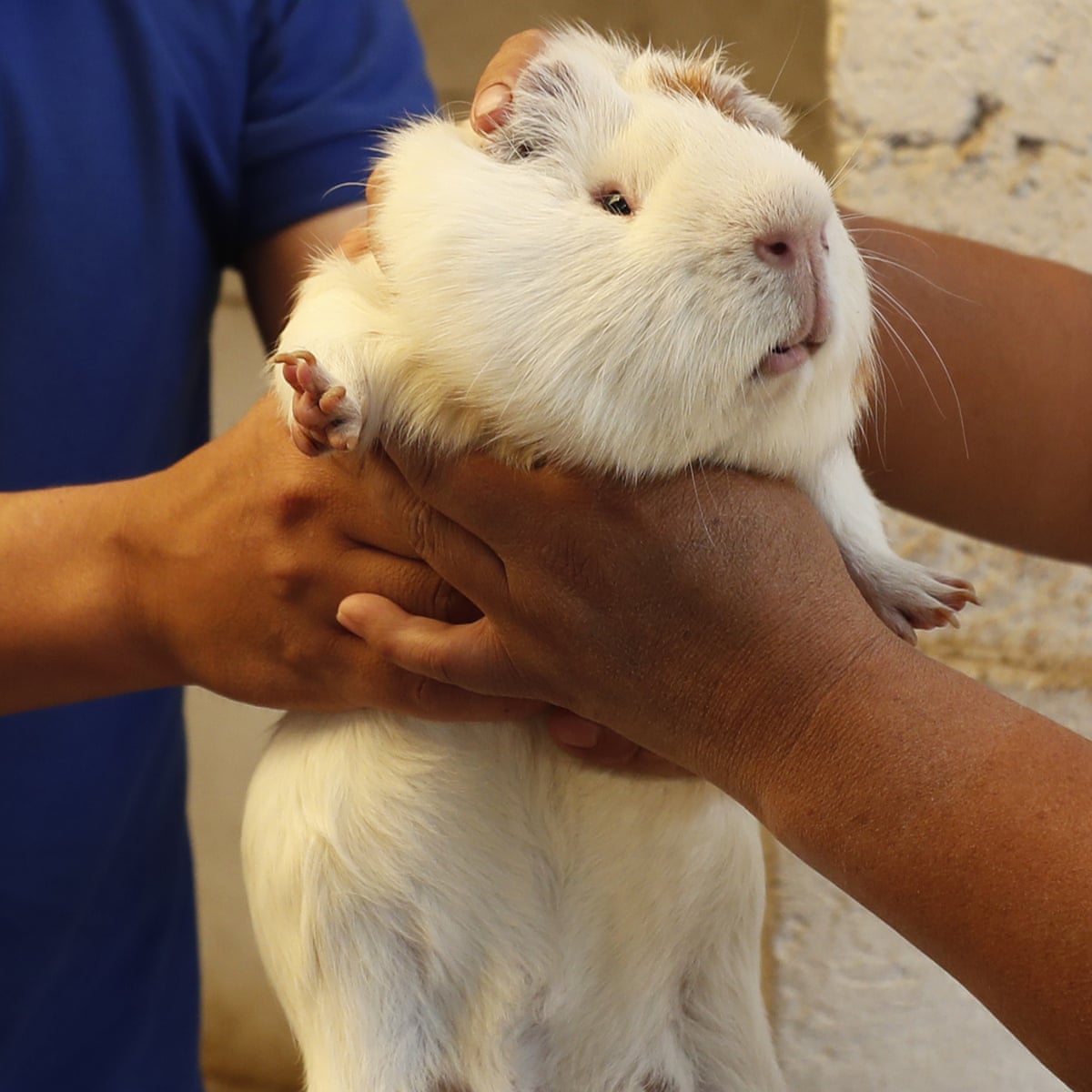
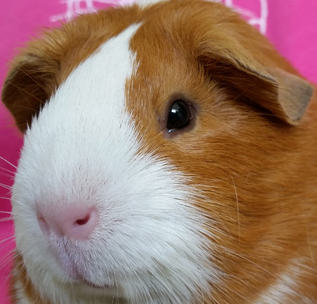
Cuy guinea pig come in many coat types and colors, from smooth to rosette patterns. Typical traits include short legs, rounded bodies, and strong teeth for chewing hay. Some named types in their native region differ by size and purpose.
If you look for a cuy guinea pig, expect a slightly larger and heartier animal than pet-only breeds. That matters for cage size, feeding, and vet care. Use breed traits to match expectations about behavior and health.

Temperament and behavior
Cuy guinea pig are social and alert animals. They communicate with whistles, purrs, and squeaks. They can be curious and fast when free-roaming, so supervised exercise works best.
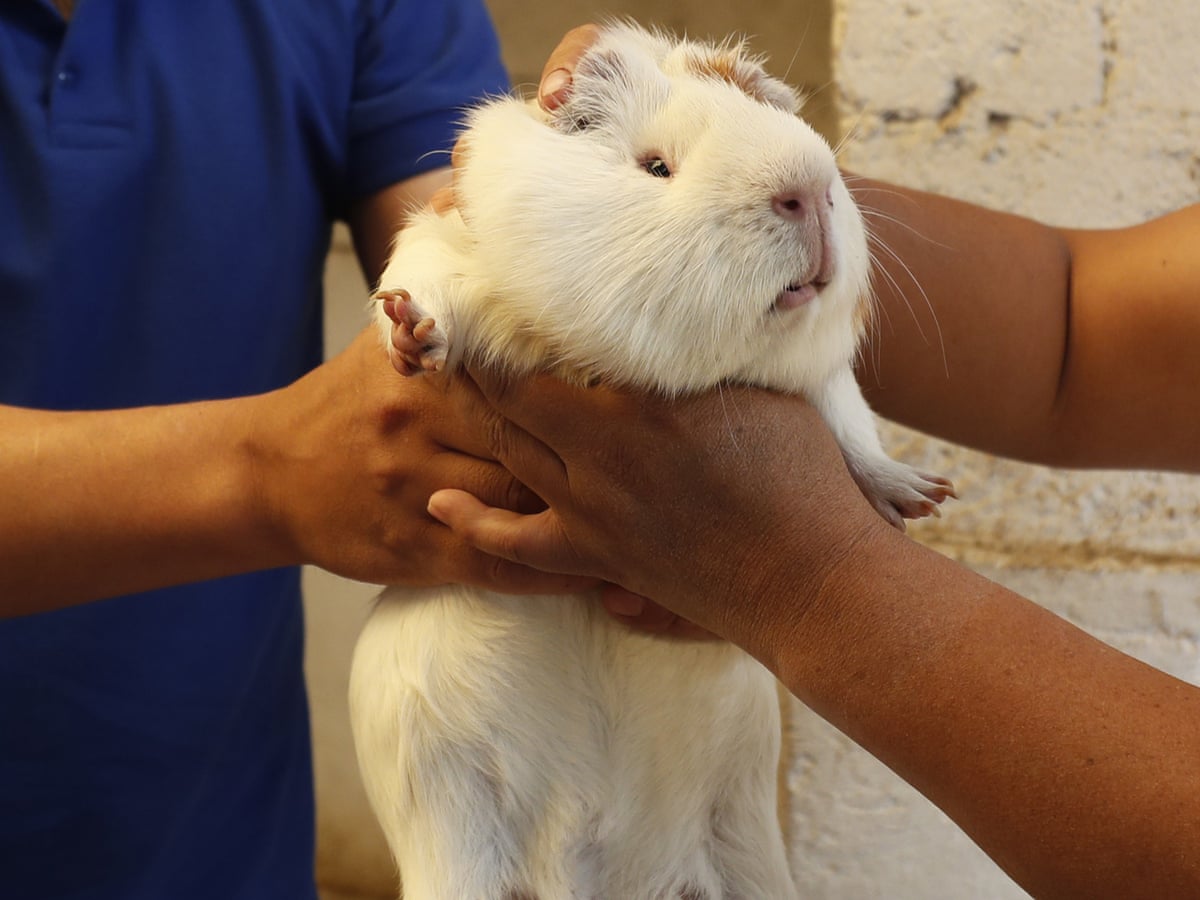
As pets, they form bonds with people if handled gently and often. If you plan to keep a cuy guinea pig, give time for trust-building and regular interaction.
Housing and daily care
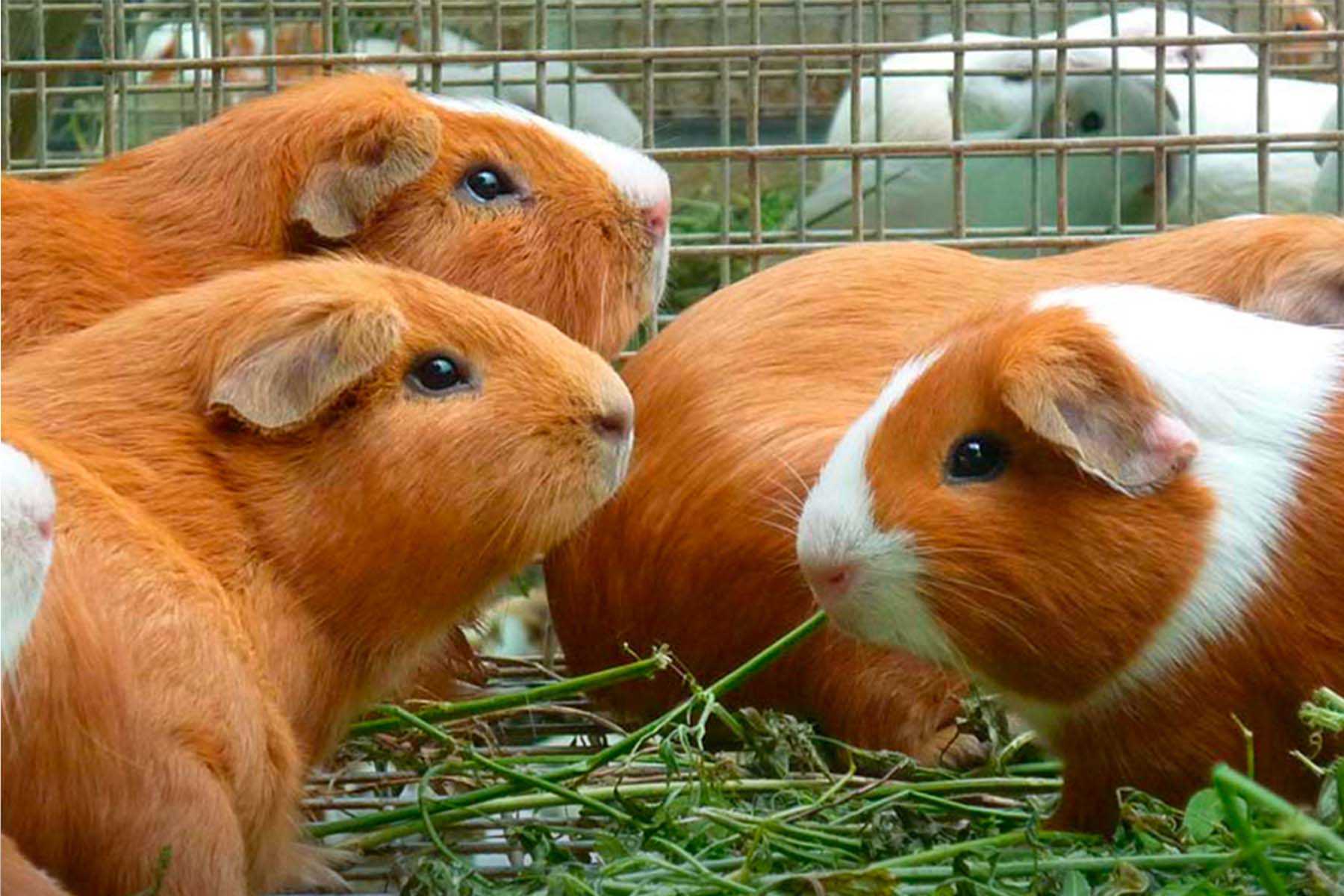
Provide a roomy, safe space for each cuy guinea pig. Aim for solid-floor cages with deep bedding and hideouts. Clean bedding twice a week and remove wet spots daily.
Give daily supervised exercise outside the cage in a secure area. Keep the area free of drafts and direct sun. Good housing cuts stress and lowers illness risk.
Diet and feeding essentials
A balanced diet helps every cuy guinea pig thrive. Offer unlimited high-quality grass hay for chewing and gut health. Provide a measured daily portion of grass-based pellets and fresh leafy vegetables.
Ensure a constant source of fresh water in a bottle or heavy bowl. Avoid sugary treats and iceberg lettuce. Proper calcium balance matters; consult a vet for specific needs.
How long do cuy guinea pig live? Most cuy guinea pig live 4 to 8 years with good care.
Are cuy guinea pig good pets for families? Yes—when you match care needs to the family’s time and resources.
 care”
care”style=”max-width: 100%; height: auto; border: 2px solid black; border-radius: 10px; display: block; margin: 0 auto;”
loading=”lazy”
/>
Common health issues and vet care
watch for dental overgrowth, respiratory infections, and digestive upset in cuy guinea pig. Regular checkups catch problems early. If you see weight loss, wheezing, or drooling, seek veterinary care right away.
Vaccines are not standard for cuy guinea pig, but parasite checks and dental trims can be needed. Keep a local vet who knows small mammals on call. Good records of weight and behavior help spot trouble fast.
Breeding, reproduction, and ethics
Cuy guinea pig breed quickly and can produce multiple litters per year. Females should not be bred too young; waiting until at least 6 months reduces birthing risks. Plan breeding only when you have space and a market or purpose.
Ethical breeding means health checks, proper housing, and neonatal care. Overbreeding leads to poor outcomes for both parents and pups. Responsible breeders track pedigrees and health history.

Cultural importance and culinary use
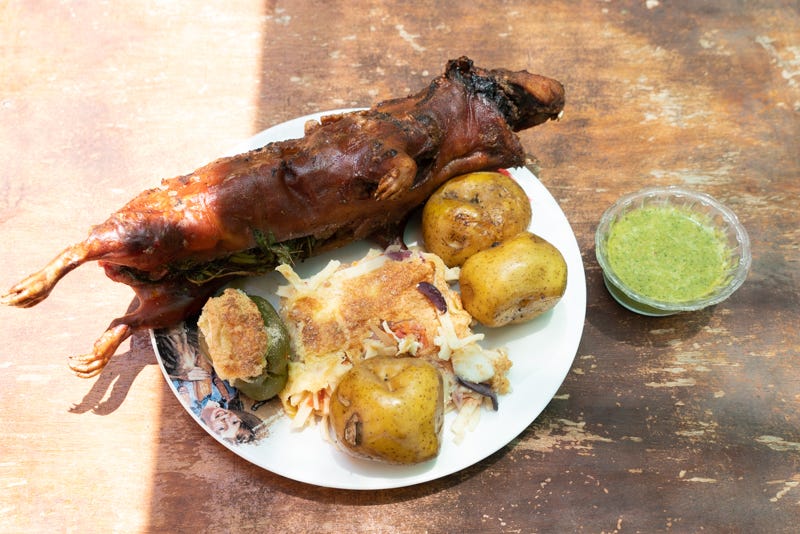
In Andean countries, the cuy guinea pig is a cultural icon and a traditional food source. It appears in festivals and family meals. Preparing cuy guinea pig for eating follows age-old methods that balance flavor and respect.
If you explore culinary traditions, learn local ethics and regulations first. Respect cultural context and animal welfare when discussing cuy guinea pig as food.
Practical tips, mistakes to avoid, and personal experience
From my experience, these tips save time and stress:
- Start with good quality hay and a steady water source to prevent digestive problems.
- Introduce new foods slowly to avoid diarrhea or bloating.
- Socialize young cuy guinea pig early so they are calm with people.
Common mistakes I saw include overcrowding, poor ventilation, and skipping weight checks. A simple weekly weigh-in catches slow declines early. When I first raised cuy guinea pig, I underestimated the need for hiding spaces; adding boxes cut stress and improved appetite.
PAA-style quick questions
What do cuy guinea pig eat daily? A daily mix of unlimited grass hay, measured pellets, and fresh leafy vegetables keeps them healthy.
Can cuy guinea pig live indoors? Yes, cuy guinea pig adapt well to indoor life with proper space, enrichment, and temperature control.
How often should cuy guinea pig see a vet? Annual wellness checks are good for healthy animals; visit sooner if symptoms appear.
Frequently Asked Questions of cuy guinea pig
What is the average lifespan of a cuy guinea pig?
Most cuy guinea pig live between 4 and 8 years with proper care. Good diet and vet checks improve lifespan.
Are cuy guinea pig friendly with children?
Cuy guinea pig can be very gentle but need supervision with small children. Teach calm handling to prevent accidental injury.
How much space does a cuy guinea pig need?
Provide a roomy cage with at least 7.5 square feet for one adult cuy guinea pig, and more for multiple animals. Aim for a layout with hiding spots and an exercise area.
Can cuy guinea pig live with other guinea pig breeds?
They can live with other guinea pig when introduced slowly and when sizes and temperaments match. Watch for dominance and separate if fighting occurs.
What signs indicate illness in cuy guinea pig?
Look for reduced appetite, weight loss, labored breathing, runny eyes, and changed stool. Any sudden change warrants a vet visit.
Conclusion
Cuy guinea pig are versatile animals with strong cultural roots and clear care needs. They do well as pets or on small farms when fed right, housed well, and given prompt medical care. Start small, learn as you go, and prioritize welfare in every choice you make. If you love small mammals, consider bringing a cuy guinea pig into your life—learn from trusted sources, set up proper care, and enjoy the bond. Share your experiences, ask questions, or subscribe for more guides on small-animal care.