
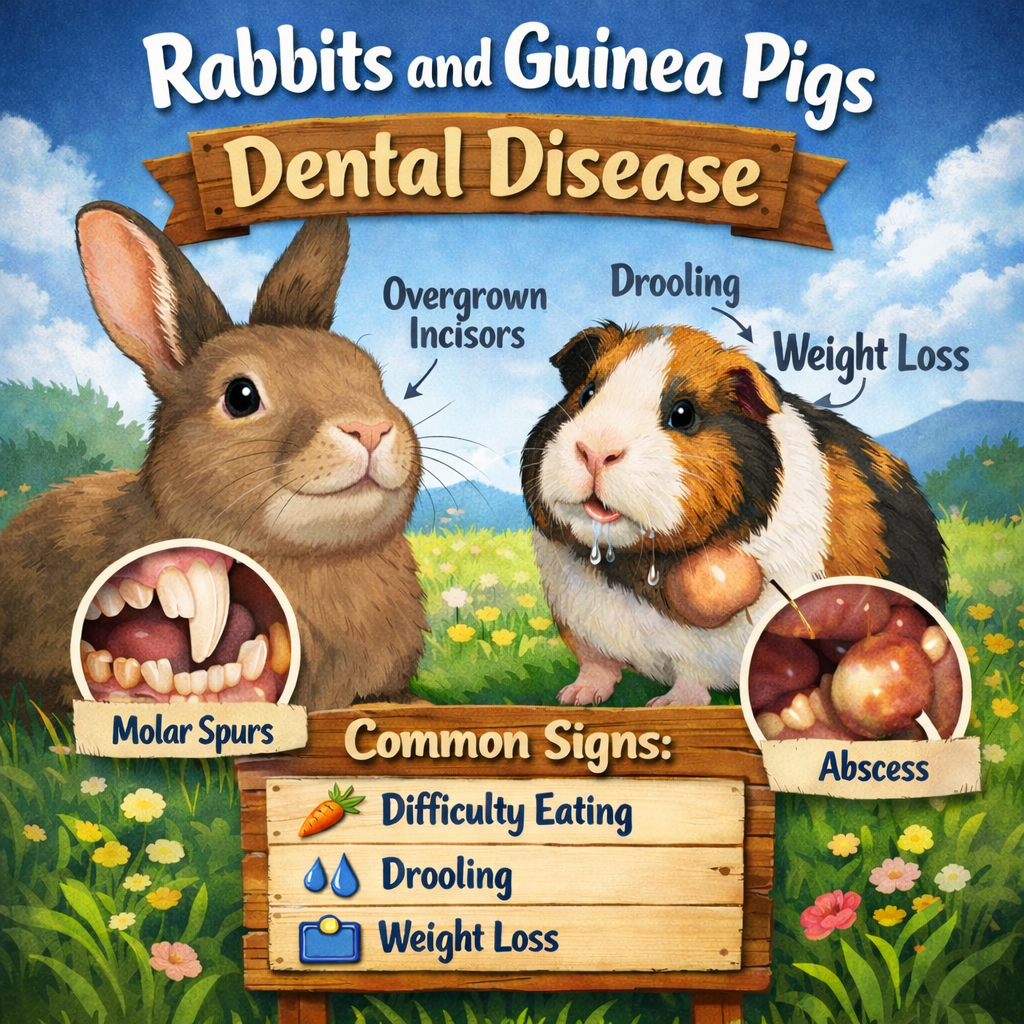
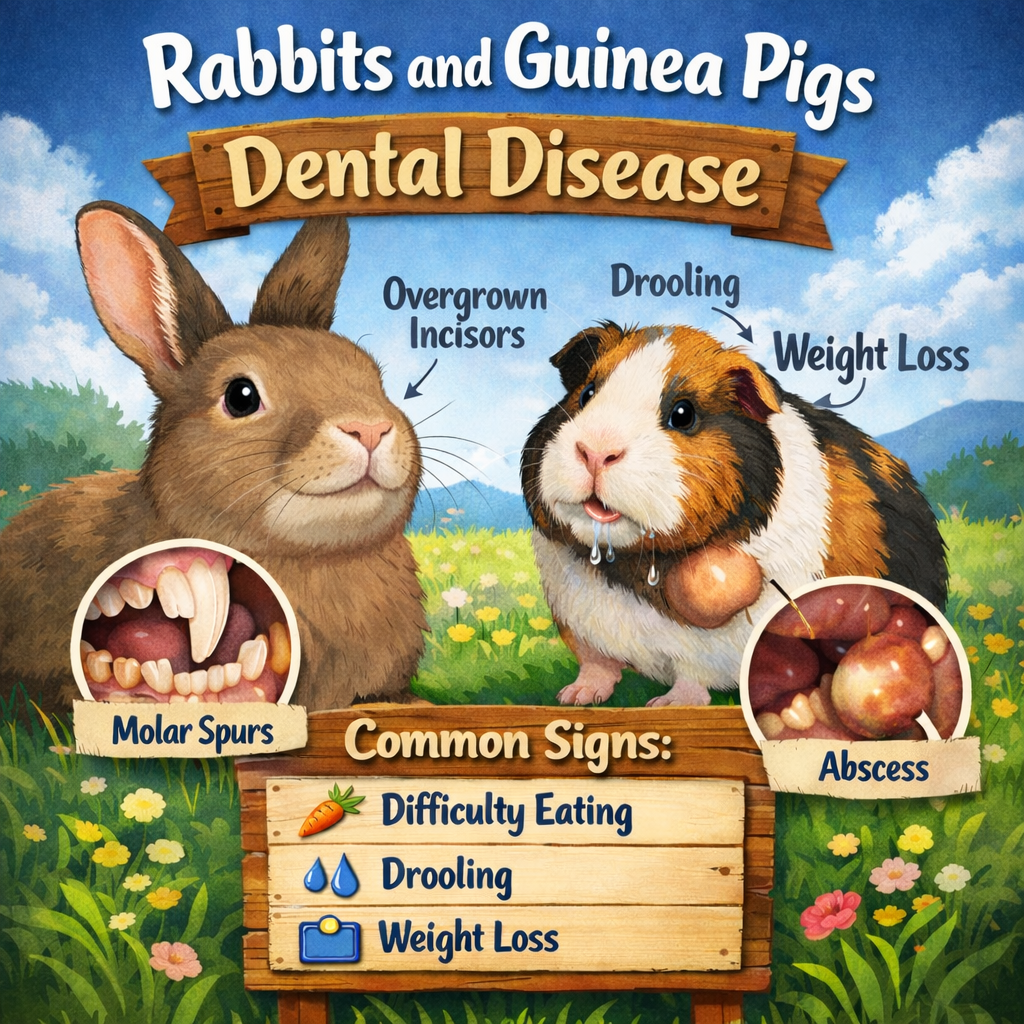
Most guinea pigs show signs like drooling, weight loss, and reluctance to eat.
I’ve cared for and studied guinea pigs for years, and I’ll walk you through exactly how to spot dental trouble early, why it matters, and what to do next. This guide covers causes, clear signs, simple at-home checks, diagnostic steps a vet will use, treatment options, and prevention tips so you can answer "How do I know if my guinea pig has dental problems?" with confidence.
Why dental health matters for guinea pigs
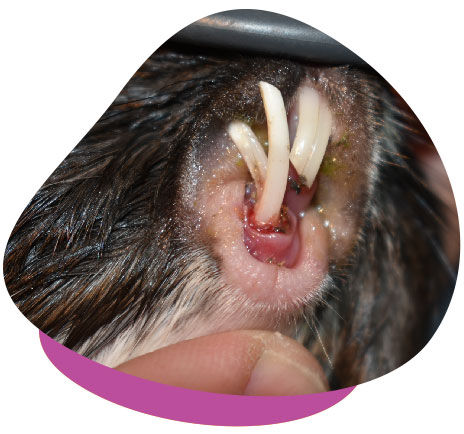
Guinea pig teeth grow continuously. If their teeth don’t wear down evenly, sharp points and overgrowth form. Those problems lead to pain, trouble eating, infection, and weight loss.
Dental disease often starts quietly. Early detection prevents long-term harm and costly vet procedures. Knowing "How do I know if my guinea pig has dental problems?" helps you act fast and keep your pet comfortable.
Common signs your guinea pig has dental problems
Look for these clear, repeatable signs. Each one should prompt closer inspection or a vet visit.
- Drooling or wet fur around mouth
- Difficulty chewing or spitting food out
- Less interest in hay, pellets, or favorite veggies
- Weight loss over days or weeks
- Pawing at the mouth or rubbing face
- Bad breath or nasal discharge
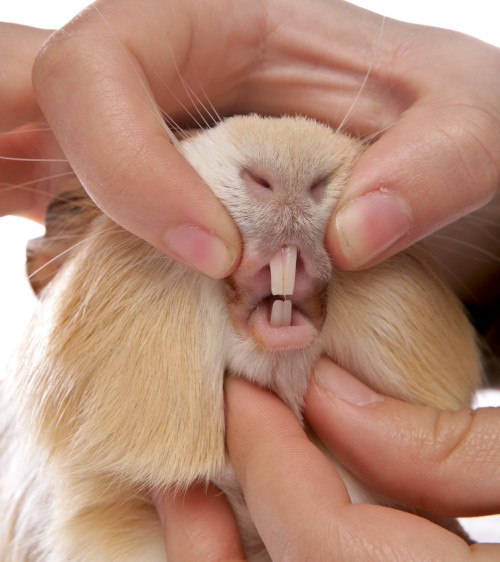
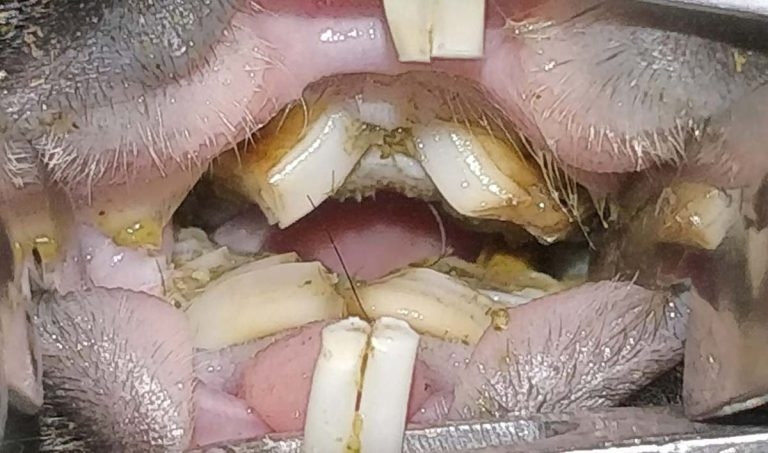
- Overgrown front teeth visible when mouth is closed
- Changes in feces size or frequency that suggest reduced eating
If you are asking "How do I know if my guinea pig has dental problems?" and notice any of these signs, don’t wait. Small changes often mean a dental issue is developing.

What causes dental problems in guinea pigs?
Several common causes lead to dental trouble. Understanding them helps with prevention and treatment.
- Genetics: Some guinea pigs inherit jaw misalignment or tooth shape issues.
- Diet: Too little hay and too many soft foods stop natural tooth wear.
- Injury: A blow to the face can change tooth alignment.
- Infection: Untreated tooth issues can lead to abscesses and more pain.
- Age: Wear patterns change as guinea pigs age, sometimes causing overgrowth.
Knowing the answer to "How do I know if my guinea pig has dental problems?" includes recognizing these root causes.
How to check and diagnose dental issues at home and with a vet
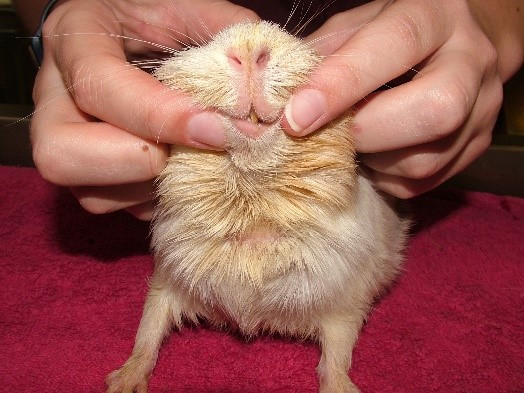
Start with gentle at-home checks, then know what vets will do. This helps you describe symptoms and get quicker care.
At-home checks
- Watch eating behavior closely for 2–3 days.
- Look at the front teeth with a calm, steady hold; note length, chips, or uneven wear.
- Check the cheeks and outside of the mouth for swelling.
- Smell the mouth and nose for unusual odors or discharge.
- Weigh your guinea pig weekly to detect subtle loss.
When to see a vet
- If drooling, weight loss, broken teeth, or abnormal chewing appear.
- If your guinea pig stops eating for over 12 hours.
- If facial swelling or discharge shows.
What the vet will do
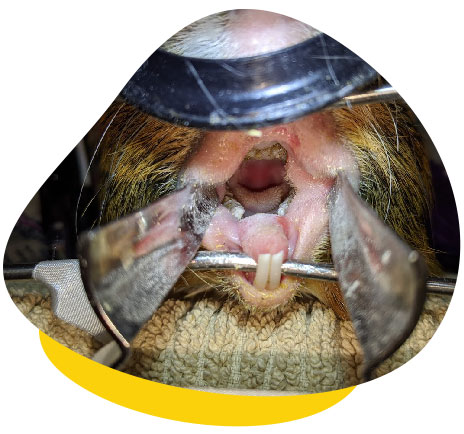
- Full oral exam under light sedation to view cheek teeth.
- Dental X-rays or skull radiographs to see root issues.
- Trim or file overgrown teeth, or extract damaged teeth if needed.
- prescribe pain meds, antibiotics, or dietary changes.
Personal note: I once missed early signs in a shy pig. A week after subtle weight loss I found sharp cheek tooth points. Quick vet trimming fixed eating in two days. Early checks save stress and pain.
PAA-style questions (common quick queries)
What does drooling indicate in guinea pigs?
Drooling often signals sharp cheek teeth or a jaw problem that makes swallowing painful. It’s a red flag that needs prompt inspection.
Can a guinea pig recover from tooth trimming?
Yes. Many guinea pigs eat normally within a day after professional tooth trimming when pain is managed and no deeper issues exist.
How fast do guinea pig teeth grow?
Guinea pig teeth grow continuously at a slow but steady pace, which is why constant wear from hay and chewing is crucial.
Treatment options and home care
Treatment depends on the problem severity. Here are typical paths.
- Trimming or filing: Smooths sharp points under sedation.
- Extraction: For badly infected or fractured teeth, a vet may remove teeth.
- Antibiotics and pain control: Treat infections and keep your pet comfortable.
- Supportive feeding: Soft, nutrient-rich foods or syringe feeding during recovery.
- Long-term management: Regular trims or monitoring if jaw misalignment exists.
Home care tips
- Offer unlimited timothy hay to encourage natural wear.
- Provide chew toys made for guinea pigs to help grinding.
- Monitor weight and eating daily and report changes to your vet.
From personal experience, reliable follow-up after trimming is key. I schedule short check-ins and adjust diet to support recovery.
Preventing dental problems
Prevention is mostly about diet and monitoring. Simple daily routines reduce risk.
- Feed high-quality timothy hay constantly.
- Limit sugary treats and soft pellets; use them in moderation.
- Provide safe chew toys and wooden blocks for gnawing.
- Weigh your guinea pig weekly and log results.
- Schedule routine vet checks if your guinea pig has known jaw or tooth issues.
Asking "How do I know if my guinea pig has dental problems?" becomes easier when prevention creates a baseline of normal behavior and appearance.
Frequently Asked Questions of How do I know if my guinea pig has dental problems?
How quickly do dental problems worsen in guinea pigs?
Dental problems can worsen over days to weeks. Early signs like reduced eating can turn into serious weight loss if untreated.
Can diet alone fix dental problems?
Diet helps prevent many issues but cannot fix structural problems like misaligned jaws or deep infections; veterinary care is needed for those.
Are molar problems obvious without opening the mouth?
Molar issues often show as subtle signs: drooling, spitting, or weight loss. A vet exam is needed to view molars properly.
Will my guinea pig need sedation for dental treatment?
Most dental treatments require light sedation for safety and thorough work. Sedation helps the vet trim or extract teeth cleanly.
How often should I check my guinea pig’s teeth?
Do a quick check every few days and weigh weekly. If you have a guinea pig with past dental issues, ask your vet about scheduled dental exams.
Conclusion
Dental problems in guinea pigs start small but hurt quickly. Watch for drooling, changes in eating, weight loss, and face swelling. Learn "How do I know if my guinea pig has dental problems?" by doing short daily checks, keeping hay plentiful, and acting fast when signs appear. Your prompt attention can spare pain and complex treatments.
Take action today: begin a simple daily check routine, log your pig’s weight, and call your vet if you spot any warning signs. If this guide helped, share your experience or ask a question so others can learn too.