
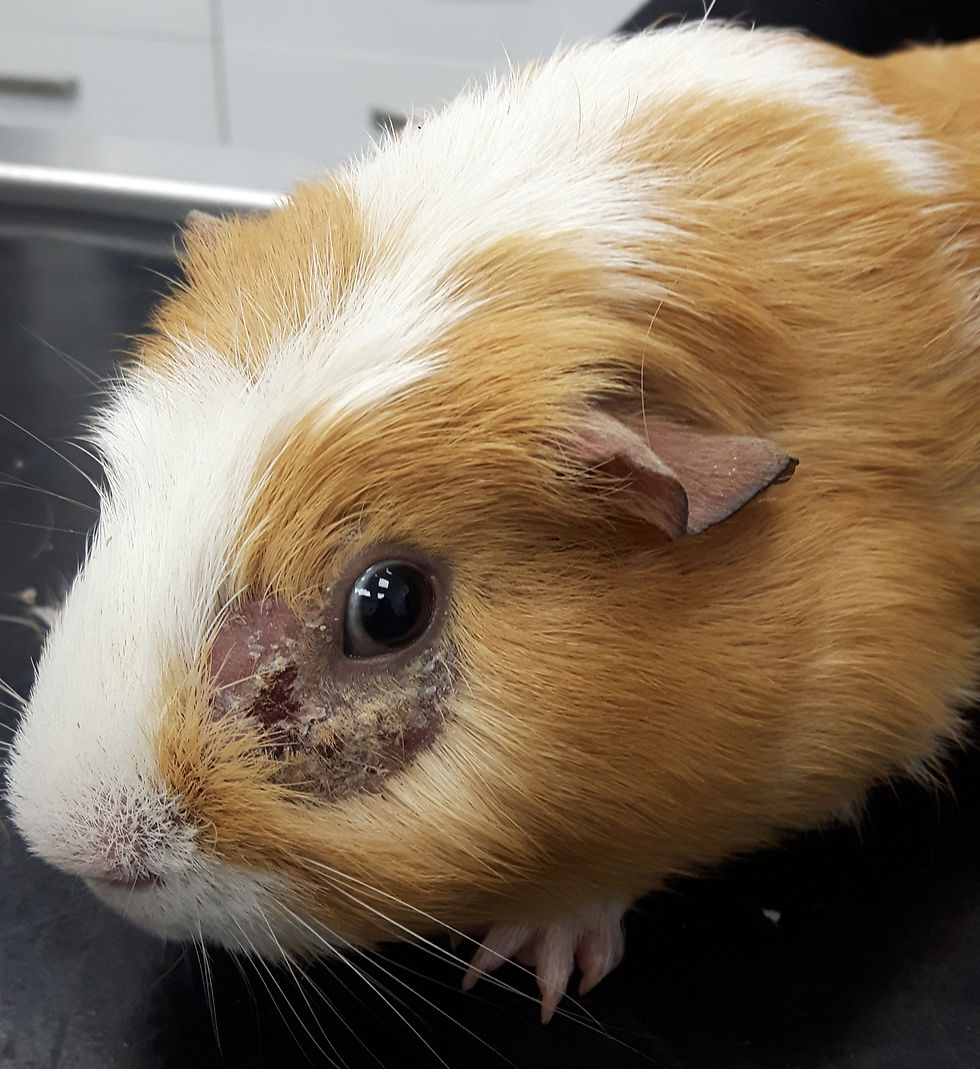
Mites, ringworm, bacterial infections, barbering, and vitamin C–related skin problems are most common in guinea pigs.
I have cared for guinea pigs and worked with veterinarians to diagnose and treat skin issues. In this guide I will answer What are common guinea pig skin diseases? in clear, practical terms. You will learn how to spot problems early, get the right help, and prevent repeat issues. Read on for step-by-step signs, causes, treatments, and real-life tips that work.

Common guinea pig skin diseases
Guinea pigs get several skin problems more often than others. Knowing what to watch for helps you act fast. Below are the most common conditions and a short description of each.
-
Mite infestations
Mites, such as burrowing mites, cause intense itching and hair loss. Mites are a top answer when asked What are common guinea pig skin diseases? They can make the skin thick, flaky, and irritated. -
Ringworm (fungal infection)
Ringworm causes round, hairless patches and flaky skin. It spreads to people and other pets, so quick diagnosis matters. -
Lice and external parasites
Lice cause constant scratching and visible tiny insects or eggs on fur. They often occur with poor hygiene or contact with infected animals. -
Bacterial skin infections and abscesses
Bacteria can invade wounds or irritated skin and cause pus-filled lumps or red areas. These may need antibiotics or drainage. -
Barbering and behavioral fur loss
Overgrooming by a cage mate or self-barbering causes patchy hair loss. This is a behavior issue, not an infection, but it can lead to skin damage. -
Vitamin C deficiency–related skin problems
Guinea pigs need dietary vitamin C. Low vitamin C can lead to poor coat, rough skin, and slow wound healing. -
Pododermatitis (bumblefoot)
Sore, swollen feet with scabs or ulcers result from rough cage flooring, obesity, or poor hygiene. -
Allergies and dermatitis
Some guinea pigs react to bedding, sprays, or diet changes with red, itchy, or scaly skin. -
Sebaceous cysts and benign lumps
Small, slow-growing lumps can appear on the skin. A vet exam confirms type and need for removal.
These items answer the practical question: What are common guinea pig skin diseases? Knowing the list helps you check for each sign quickly.
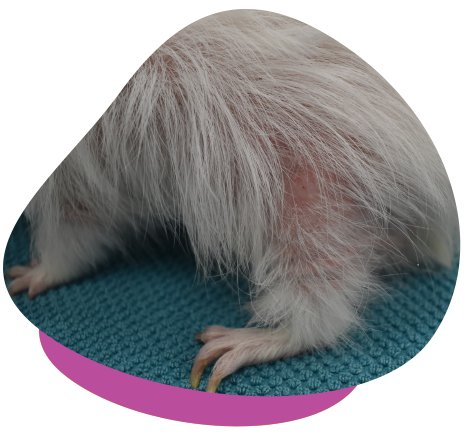
Causes and risk factors
Skin problems usually come from a few common causes. Spotting the cause helps you treat the root issue.
-
Parasites and contact with infected animals
Mites, lice, and fungal spores spread between pets and in dirty cages. -
Poor hygiene and damp bedding
Soiled or damp bedding irritates skin and invites infection. -
Poor diet or low vitamin C
A diet low in vitamin C weakens skin and slows healing. -
Stress, overcrowding, and poor ventilation
Stress lowers immune response and increases disease risk. -
Injuries and wounds
Scratches or fights can let bacteria enter and create infection. -
Allergens and irritants
New bedding, cleaners, or sprays can cause dermatitis. -
Aging and hormonal changes
Older guinea pigs may develop thinning fur and skin changes.
When you ask What are common guinea pig skin diseases? consider both infectious and noninfectious causes. That helps avoid misdiagnosis.

Symptoms and diagnosis
Clear signs make diagnosis easier. If you know the typical symptoms, you can get timely vet care.
-
Itching and constant scratching
Severe itching often means mites or lice. -
Hair loss in patches
Round bald spots can point to ringworm or barbering. -
Redness, swelling, or scabs
These signs suggest inflammation, infection, or allergies. -
Flaky, thickened, or crusty skin
Chronic issues like mites or fungal disease cause changes in skin texture. -
Visible parasites or eggs
You may see tiny moving specks, which is a direct clue. -
Pus or lumps under the skin
Abscesses feel like firm, sometimes warm lumps and need veterinary drainage.
Diagnosis steps a vet will use:
- Physical exam and skin scrape to find mites or lice
- Wood’s lamp or fungal culture for ringworm
- Skin cytology or bacterial culture for infections
- Blood work if systemic disease is suspected
Ask your vet specifically: What are common guinea pig skin diseases? Bring photos and a short history. That speeds diagnosis.
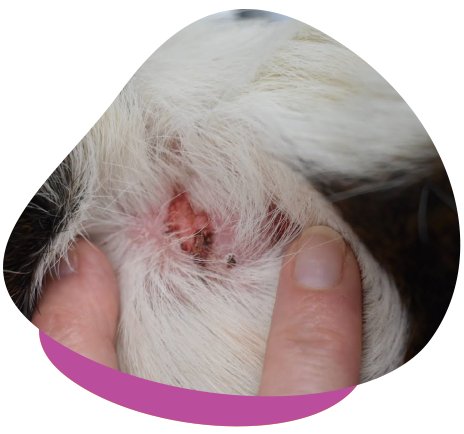
Treatment and management
Treating skin disease depends on the cause. Always work with a vet. Do not use human creams or drugs without guidance.
-
Parasite treatments
A vet commonly prescribes safe antiparasitic medication. Treatment may include repeated doses and cleaning of the cage. -
Antifungal therapy
For ringworm, topical antifungals and careful cleaning are used. Some cases need longer treatment. -
Antibiotics and wound care
Bacterial infections often need oral antibiotics and cleaning. Abscesses may need surgical drainage. -
Behavioral solutions for barbering
Address stress, provide more enrichment, and separate aggressive cage mates when needed. -
Diet correction and vitamin C
Improve diet with fresh vegetables and quality pellets. A vet can recommend vitamin C dosing. -
Supportive care at home
Keep the guinea pig warm, dry, and on soft bedding. Clean the cage daily during treatment. -
Follow-up and recurrence prevention
Treat all animals in the same area and disinfect the environment to prevent reinfection.
From experience, follow-through is key. I once treated a guinea pig with mites and ringworm at the same time. Treating both and cleaning the cage stopped relay infections. Always complete the full course of medicine even when the skin looks better.