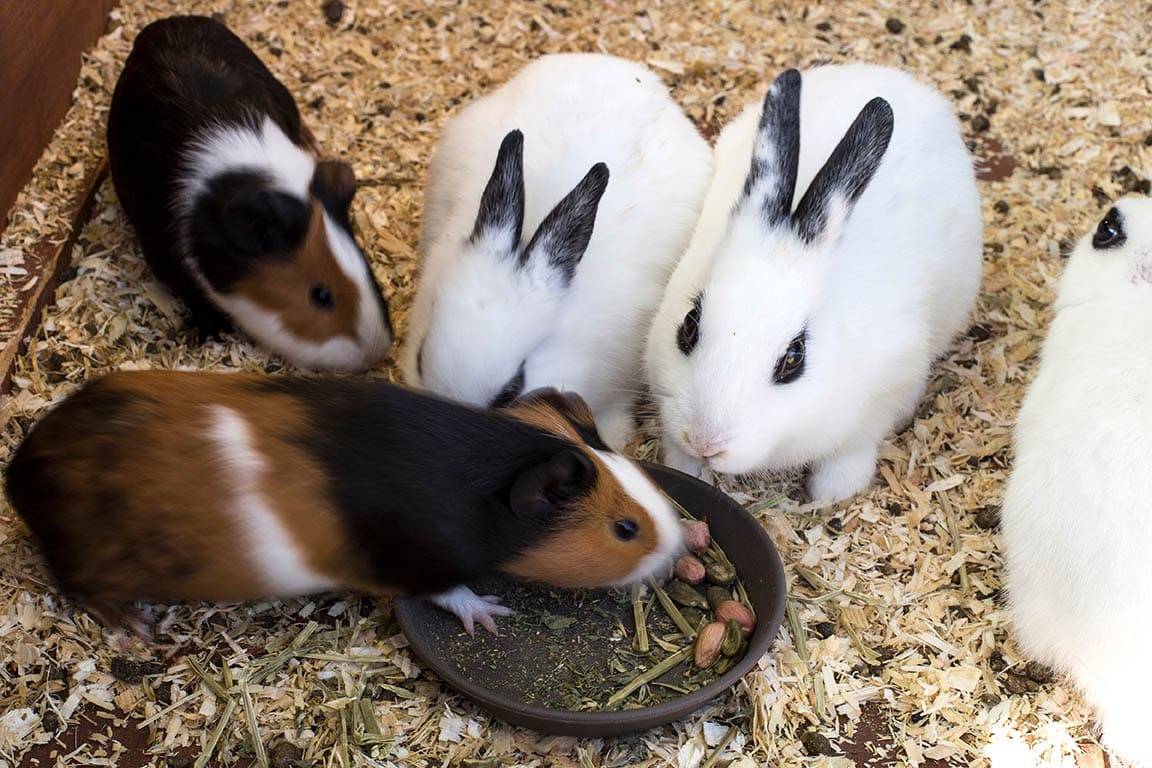
Guinea pigs can eat some rabbit food occasionally, but it is not ideal for their long-term health.
I’ve worked with small pets for years and cared for both guinea pigs and rabbits. In this article I explain clearly whether can guinea pigs eat rabbit food, why the answer is mixed, and how to keep your cavy healthy if you ever need to use rabbit food. You’ll get practical feeding tips, label checks, risks to watch for, safe swaps, and real-world experience so you can make the best choice for your pet.

Why people ask: can guinea pigs eat rabbit food?
Many owners reach for rabbit pellets when they run out of guinea pig food. The question is common. Both animals are small herbivores. Both eat hay, pellets, and fresh greens. But similarities stop at basic diet patterns. Guinea pigs need vitamin C every day. Rabbits do not require a dietary vitamin C supplement. This key difference makes the question “can guinea pigs eat rabbit food” important for pet safety.
- Guinea pigs cannot make vitamin C internally. They need it from food.
- Rabbit food often lacks added vitamin C. That makes it risky for guinea pigs.
- Short-term sharing may be okay in a pinch. Long-term feeding is not recommended.

Nutritional differences: guinea pig needs vs rabbit food
Understanding nutrient profiles helps answer can guinea pigs eat rabbit food. Compare the essentials.
- Vitamin C
- Guinea pigs need about 10–30 mg of vitamin C per day depending on size and condition.
- Rabbit pellets rarely contain enough vitamin C for a cavy.
- Protein and fiber
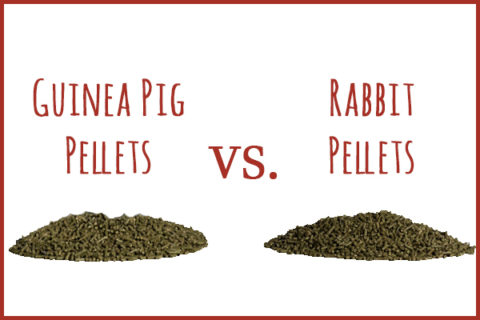
- Rabbit pellets sometimes have higher fiber for digestive health.
- Guinea pig pellets are balanced with protein, fat, and fortified vitamins.
- Calcium
- Some rabbit foods have higher calcium. High calcium can raise bladder stone risk in guinea pigs.
- Extra additives
- Flavored or seed mixes made for rabbits can have sugars or fats unsuitable for guinea pigs.
Short term feeding of basic rabbit pellets may supply calories and some nutrients. However, the missing vitamin C and possible high calcium make rabbit food a poor long-term match for guinea pigs.
Risks of feeding rabbit food to guinea pigs
If you’re still asking can guinea pigs eat rabbit food, consider these concrete risks.
- Vitamin C deficiency
- Scurvy signs: lethargy, poor coat, swollen joints, weight loss, slow healing.
- Deficiency can take weeks to develop but is serious.
- Urinary tract problems
- High-calcium rabbit diets can increase stones and sludge risk in cavies.
- Digestive upset
- Sudden diet changes cause diarrhea or bloating.
- Long-term nutrient gaps
- Other vitamins and minerals may be low or imbalanced for guinea pigs.
If you must use rabbit food temporarily, pair it with daily vitamin C sources and monitor your pet closely.
When rabbit food might be acceptable — and when it’s not
There are scenarios when rabbit food is acceptable, and others when it’s dangerous.
Acceptable short-term use
- Emergency substitute for a day or two when out of guinea pig pellets.
- If the rabbit pellets are simple, without seeds, sweets, or extra calcium.
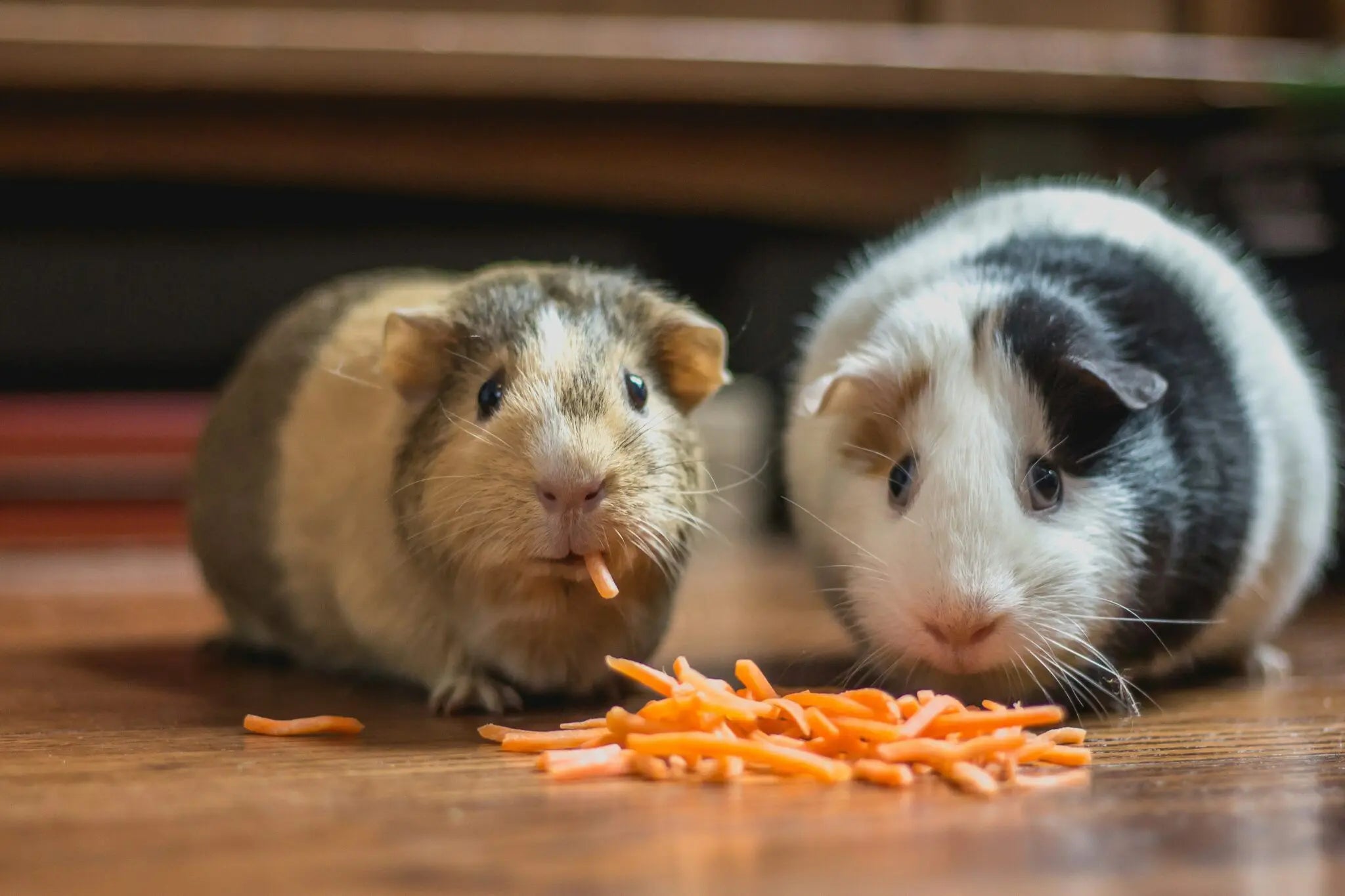
- If you provide ample hay and vitamin C-rich fresh vegetables.
Not acceptable for long-term use
- Feeding rabbit food as primary pellet source for weeks or months.
- Using rabbit mixes with seeds, dried fruit, or colored treats.
- Feeding rabbit pellets to young, pregnant, or sick guinea pigs without veterinary advice.

How to read labels: what to look for before offering rabbit food
Before giving any rabbit food to a guinea pig, check the label carefully. Here are quick checks.
- Ingredients list
- Avoid mixes with seeds, nuts, or dried fruit.
- Prefer plain timothy or grass-based pellets.
- Guaranteed analysis
- Protein between 12–18% is fine for adult guinea pigs.
- Crude fiber should be high (around 18% or more) for good gut health.
- Vitamin C content
- Look for explicit vitamin C fortification; otherwise assume it’s absent.
- Calcium amount
- Lower calcium is safer for cavies; avoid very high calcium formulations.
If the label is unclear, don’t assume it’s safe. When in doubt, choose proper guinea pig pellets.

Safe alternatives and best feeding practices
Rather than relying on rabbit food, use these safer options and habits.
- Stock proper guinea pig pellets
– Choose pellets labeled for guinea pigs with vitamin C added. - Provide unlimited grass hay
- Timothy hay for adults; alfalfa hay only for young or nursing animals.
- Offer fresh vegetables daily
- Bell pepper, kale, cilantro, and romaine provide vitamin C.
- Use vitamin C drops or tablets only as directed
- Overdosing is possible; consult a vet for dosing.
- Rotate treats sparsely
- Keep sugary or fatty treats minimal to avoid obesity and gut upset.
These steps prevent the common problems that arise when owners substitute rabbit food.
My experience and practical tips
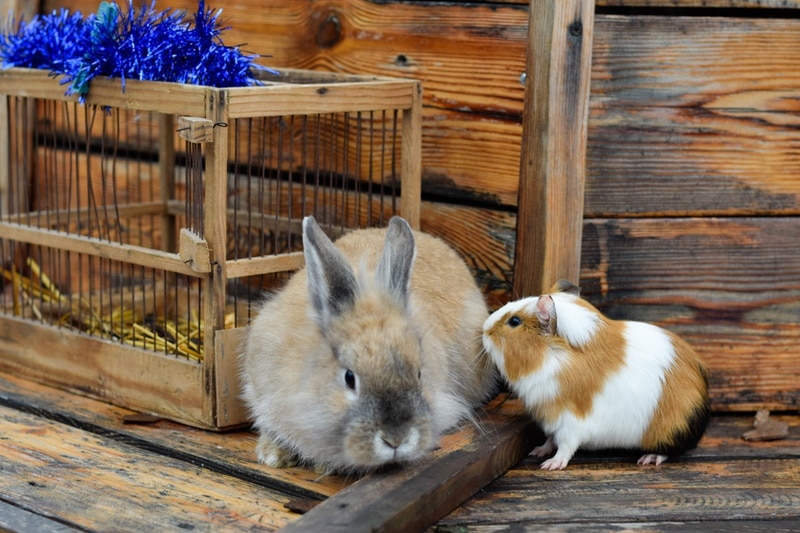
I’ve cared for both rabbits and guinea pigs in rescue settings. I’ve seen owners make the short-term swap when stores were closed. Here is what I learned.
- Tip: If you must use rabbit pellets for a night, add a slice of bell pepper and lots of hay. The pepper supplies vitamin C.
- Tip: Avoid flavored rabbit mixes. They often hide dried fruits and seeds that upset guinea pigs.
- Mistake to avoid: Assuming “small pet” equals “one diet.” Guinea pigs and rabbits are not interchangeable.
- Watch behavior: Lower activity, loose stool, or a rough coat can indicate a problem within days.
These small, practical steps helped me prevent health issues and keep animals healthy during short emergencies.
Signs to watch and when to see a vet
If you fed rabbit food to your guinea pig, monitor these signs closely.
- Lethargy or reduced appetite
- Loose stool or diarrhea
- Difficulty moving, swollen joints, or changes in coat
- Straining to urinate or blood in urine
If any of these appear, contact a veterinarian promptly. Fast action prevents complications like scurvy or urinary stones.
Common myths about can guinea pigs eat rabbit food
Clear up myths so you make safer choices.
- Myth: All pellet diets are the same. Reality: Pellets are species-specific for good reason.
- Myth: A little rabbit food won’t hurt. Reality: A short bit may be okay, but repeated feeding raises risk.
- Myth: Vitamin C tablets are always enough. Reality: Tablets can help, but diet and balance matter too.
Knowing the facts helps you avoid common mistakes.
Frequently Asked Questions of can guinea pigs eat rabbit food
Can a guinea pig eat rabbit kibble once?
Yes. A single small feeding of plain rabbit pellets is usually fine as an emergency substitute. Add hay and vitamin C-rich veggies the same day.
Will rabbit food cause scurvy in guinea pigs?
Rabbit food itself does not directly cause scurvy but often lacks enough vitamin C. Repeated feeding without vitamin C sources can lead to deficiency in weeks.
Are rabbit pellets higher in calcium than guinea pig pellets?
Some rabbit pellets do have higher calcium levels. High calcium over time can increase the risk of bladder stones in guinea pigs.
Can baby guinea pigs eat rabbit food?
No. Young guinea pigs need precise nutrition, including higher protein and guaranteed vitamin C. Avoid rabbit food for babies.
How long can guinea pigs eat rabbit food safely?
Only a day or two in an emergency. Long-term feeding is not safe due to vitamin C and mineral imbalances.
Conclusion
Feeding rabbit food to guinea pigs is sometimes possible for a short emergency, but it is not a good long-term plan. The main concern is vitamin C deficiency and mineral imbalances that can harm your guinea pig over time. Use plain, fortified guinea pig pellets, unlimited hay, and fresh vitamin C-rich vegetables as your primary plan. If you ever need to substitute rabbit food, do so briefly, supplement vitamin C, and watch your pet closely. Share your experiences or questions below, subscribe for more small-pet care tips, or consult your vet for personalized advice.