
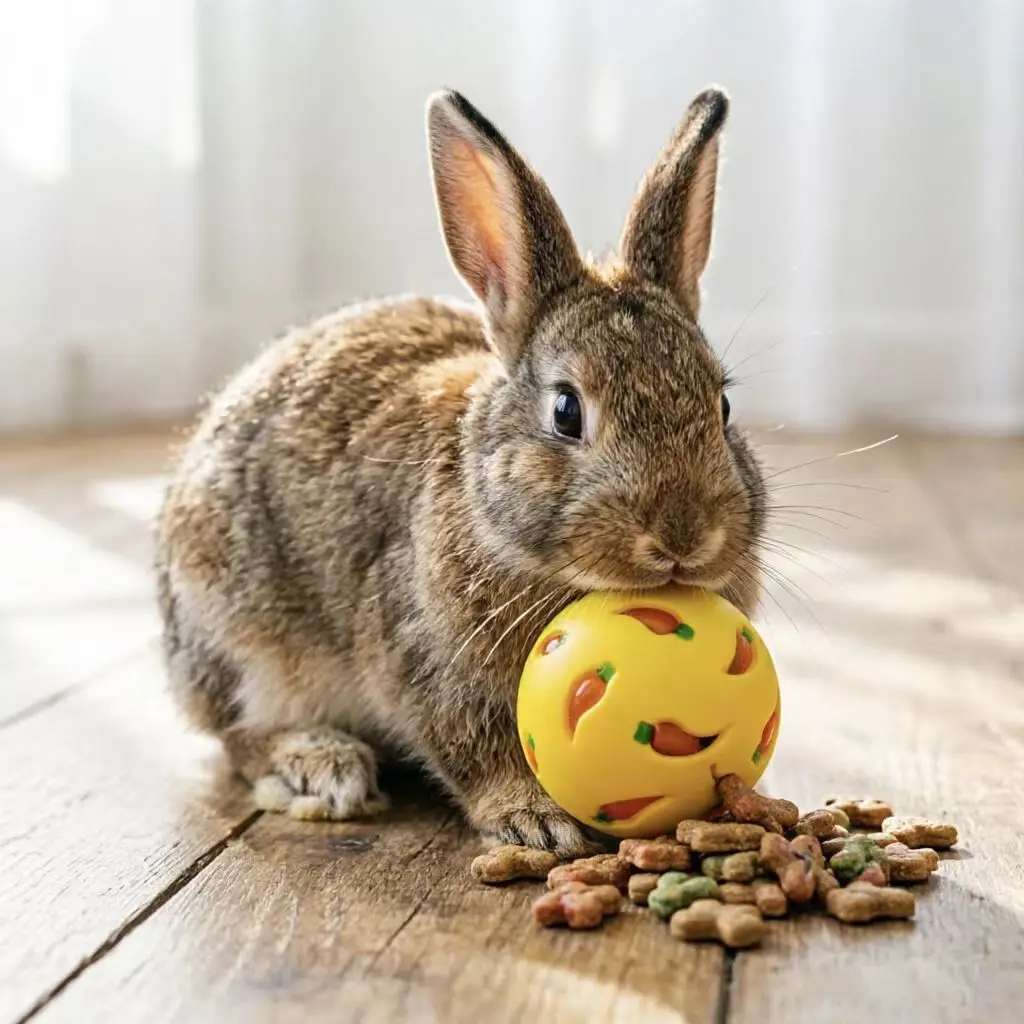
Guinea pigs should not eat bunny food as a regular diet, it can cause health issues.
As a small-animal caregiver and writer with years of hands-on experience, I’ll clearly answer whether can guinea pigs eat bunny food and explain the why and how. This guide breaks down nutrient differences, risks, safe exceptions, and practical feeding steps so you can make smart choices for your pet’s health.
Why owners ask “can guinea pigs eat bunny food”?
Many new pet owners see similar packaging and wonder if rabbit pellets are fine for guinea pigs. The question can seem simple, but the answer is layered. Guinea pigs and rabbits share some needs. They also have key differences that matter for diet and long-term health. Understanding those differences helps you answer can guinea pigs eat bunny food with confidence.

Source: pageup.fr
Nutritional differences: guinea pig food versus bunny food
Guinea pig diets focus on specific nutrients not always emphasized in rabbit food. Here are the main gaps and overlaps.
- Fiber
- Both diets rely on hay for fiber. Good fiber keeps the gut moving and the teeth worn down.
- Vitamin C
- Guinea pigs cannot make vitamin C. Their pellets are fortified for that need. Most bunny food is not boosted enough for guinea pigs.
- Calcium and phosphorus
- Some rabbit mixes aim for higher calcium. Too much calcium raises the risk of bladder stones in guinea pigs.
- Protein and fat
- Levels vary by brand. Some rabbit foods have less protein than guinea pig pellets require.
- Treats and mixes
- Rabbit mixes often include seeds, nuts, or dried fruit. These are too fatty or sugary for guinea pigs.
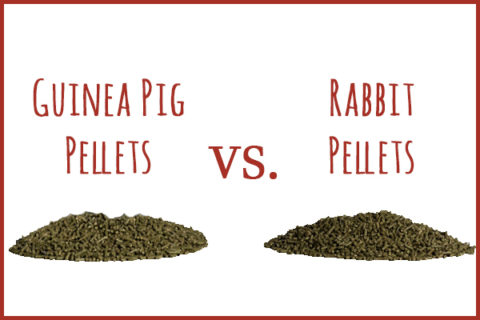
Because of these differences, the simple answer to can guinea pigs eat bunny food is no for regular feeding. A few ingredients overlap, but the balance is wrong for guinea pigs.

Source: com.br
Risks of feeding bunny food to guinea pigs
Feeding bunny food to a guinea pig can cause short- and long-term problems.
- Vitamin C deficiency
- Signs include lethargy, rough coat, and joint pain. Without fortified pellets or supplements, deficiency can develop in weeks.
- Urinary issues
- High calcium can lead to bladder sludge or stones. These cause pain and require vet care.
- Digestive upset
- Too many seeds or sugary bits upset gut bacteria and lead to diarrhea or slow gut movement.
- Obesity and dental problems
- High-calorie mixes and treats increase weight. Poorly worn teeth lead to malocclusion.
- Nutrient imbalance
- Missing or low vitamins and minerals reduce immunity and overall health.
Given these risks, revisit the question can guinea pigs eat bunny food: occasional accidental nibble may be harmless, but regular feeding is unsafe.
Source: smallpetselect.com
When bunny food might be okay — limited and cautious exceptions
There are narrow situations where rabbit food might work briefly. Use extreme caution.
- Short-term emergency
- If you run out of guinea pig pellets and a small amount of rabbit pellets is all you can get until you buy the right food, that is better than starvation for a day or two.
- Ingredient-matched brands
- Some rabbit pellets are close in formulation. Read labels for vitamin C, calcium, and fiber. Only consider this if levels match guinea pig needs.
- No mixes, seeds, or dried fruit
- Plain pellets only. Avoid any bag with seeds, nuts, or sugary bits.
Even when bunny food seems okay, watch for signs of illness and return to guinea pig-specific pellets as soon as possible. This is not a long-term solution to can guinea pigs eat bunny food.

Source: colegiomadrigal.com
Practical feeding advice and safe swaps
Follow these steps to keep diets balanced and safe.
- Base diet
- Always provide unlimited fresh timothy hay. Hay forms the bulk of a guinea pig’s diet.
- Choose proper pellets
- Use pellets labeled for guinea pigs with added vitamin C. Measure daily portions.
- Fresh vegetables
- Offer a variety of low-calcium veggies rich in vitamin C, such as bell peppers and leafy greens.
- Treat rules
- Keep treats to a small amount and avoid seeds, nuts, and dried fruit.
- If you used bunny food
- Stop after one or two days. Resume guinea pig pellets and monitor stool, appetite, and energy.
- Veterinary check
- If you notice lethargy, poor coat, strained urination, or diarrhea, see a vet promptly.
These steps will help you avoid the main harms related to the question can guinea pigs eat bunny food while keeping your pet healthy.

Source: shelterrockislamiccenter.com
Personal experience and lessons learned
I kept guinea pigs for over a decade and once assumed rabbit pellets were an easy substitute. I mixed them in as a short-term fix. Within weeks one pig showed less energy and had sore joints. A vet confirmed early vitamin C deficiency. I switched to fortified guinea pig pellets and fresh veggies. Recovery took time, but the lesson stuck: labels matter. Now I always keep a reserve bag of proper pellets and a small vitamin C supplement on hand.
From that mistake I learned these simple rules: check labels closely, avoid mixes with seeds, and never rely on bunny food for long. These tips come from real care and a few costly lessons.
Source: co.uk
Frequently Asked Questions of can guinea pigs eat bunny food
Will a tiny piece of rabbit pellet harm my guinea pig?
A single small bite of rabbit pellet will usually not harm a healthy guinea pig. Watch for signs of digestive upset and return to guinea pig-specific food promptly.
Can rabbit food cause bladder stones in guinea pigs?
Yes, rabbit food higher in calcium can increase the risk of bladder sludge and stones in guinea pigs. Long-term feeding of high-calcium diets raises this risk.
Is rabbit hay the same as guinea pig hay?
Hay types like timothy or orchard grass are the same and work for both species. Ensure the hay is fresh and free of dust or mold.
Can I add vitamin C to rabbit pellets if I must use them?
You can supplement vitamin C, but balancing other nutrients like calcium is still a concern. Use rabbit pellets only short term and switch to fortified guinea pig pellets fast.
How long before I notice problems if I feed bunny food?
Signs like lower energy or poor coat can appear in weeks if vitamin C is low. Urinary or dental issues may take longer but can develop with continued feeding.
Are rabbit pellets better for young guinea pigs?
No. Young guinea pigs need a balanced diet with proper vitamin C and protein. Use pellets formulated for guinea pigs, not rabbit pellets.
Conclusion
Guinea pigs and rabbits share some diet basics, but their needs differ in crucial ways. Regular feeding of rabbit food is not safe for guinea pigs because of vitamin C gaps and possible calcium or sugar imbalances. If you ask can guinea pigs eat bunny food, treat the answer as a short-term exception only, not a rule. Act now: check your pet’s food label, stock guinea pig-formulated pellets, and keep fresh hay and vitamin C-rich veggies on hand. If you found this helpful, try the swaps suggested here, share your experience below, or subscribe for more pet care tips.