
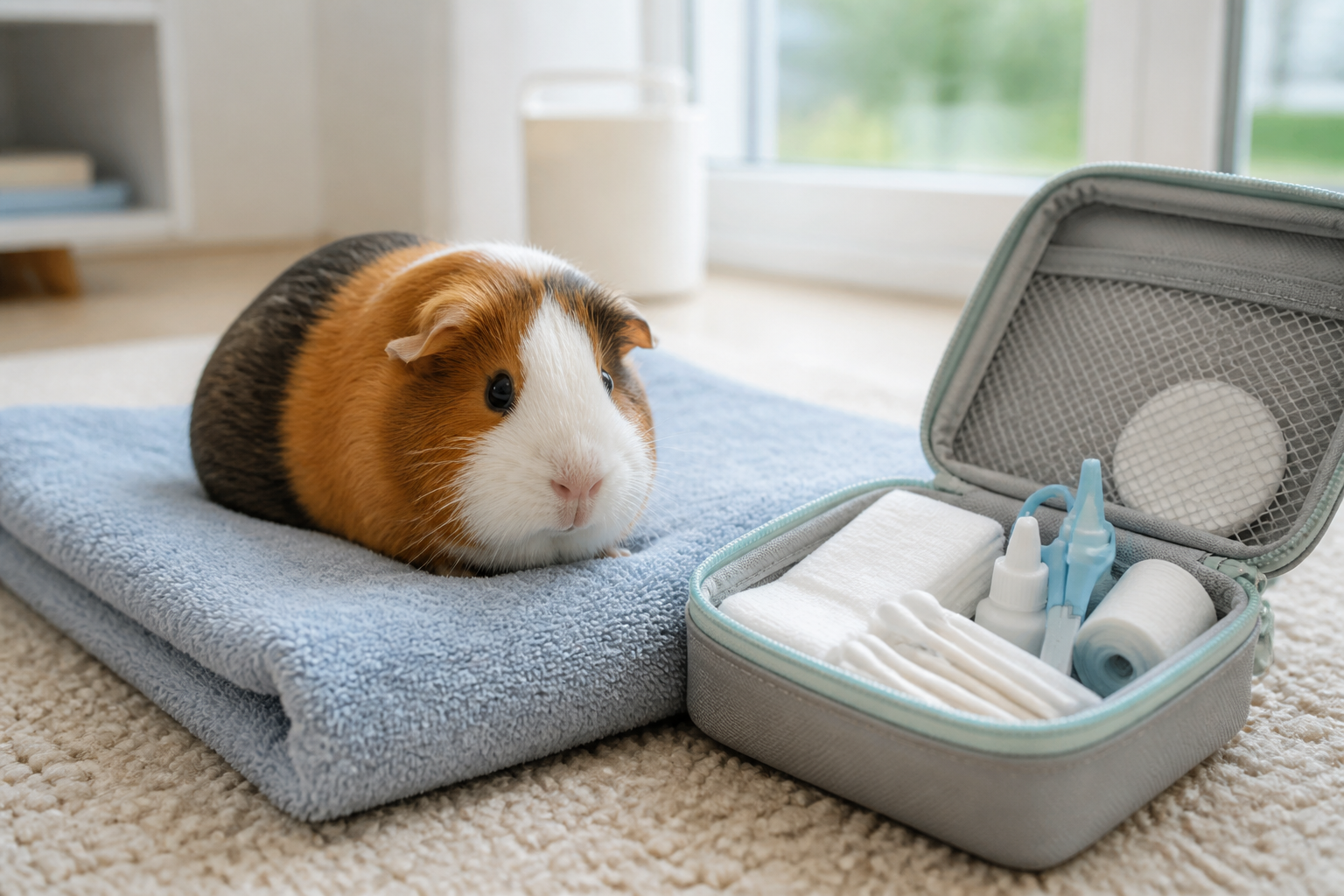
Prevent bloat by feeding lots of hay, avoiding gas foods, and getting fast vet care.
I have cared for guinea pigs for years and handled digestive scares. This guide explains how to prevent bloat in guinea pigs with clear, practical steps you can use today. You will learn what bloat is, what causes it, simple daily routines to reduce risk, emergency actions, and real-world tips from my experience. Read on to keep your pig happy and safe.
What is bloat in guinea pigs?
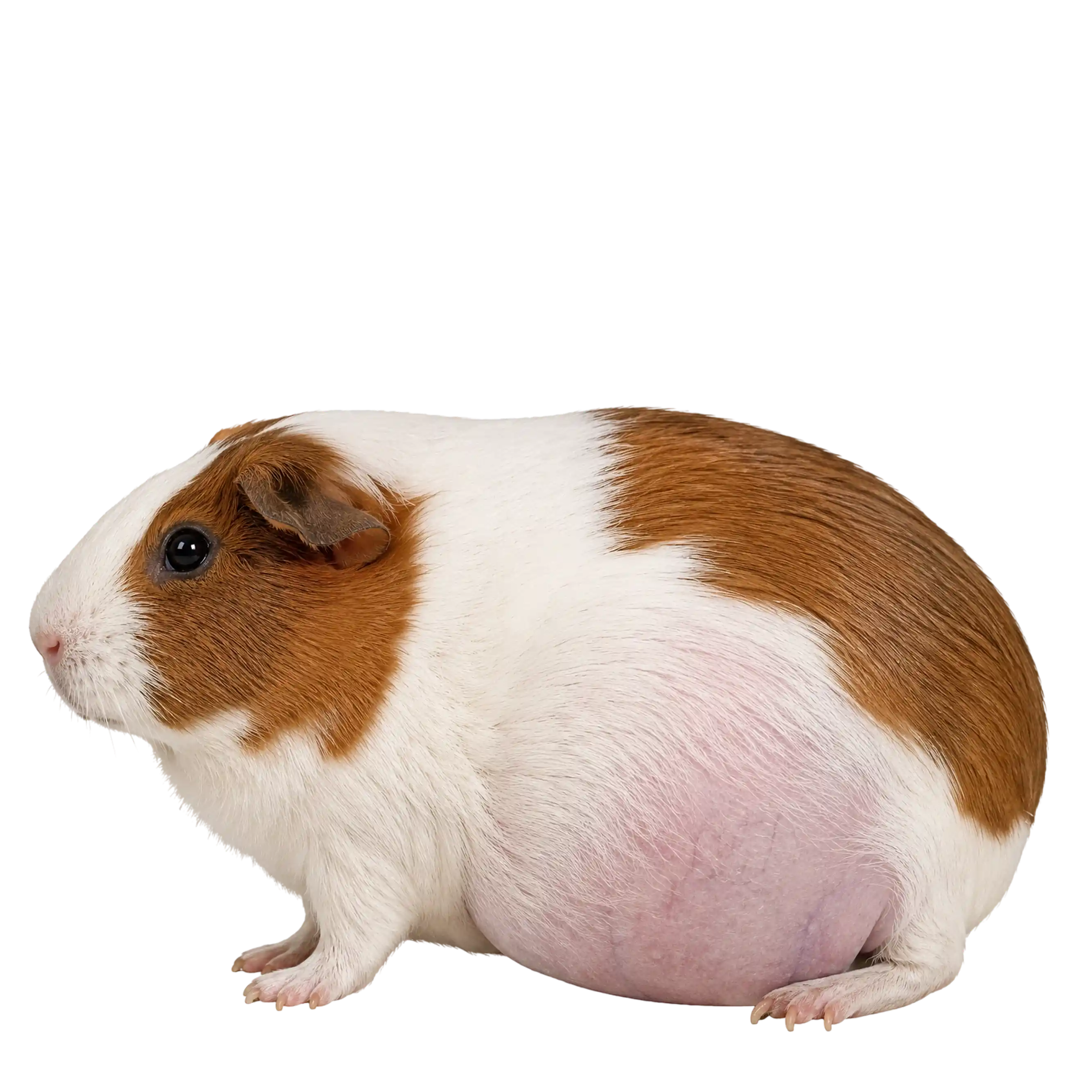
Bloat in guinea pigs means a swollen, painful belly caused by trapped gas or slowed gut movement. It is often sudden and can become life-threatening within hours.
Common signs include:
- A hard, distended abdomen that looks tight.
- Loss of appetite and reduced droppings.
- Lethargy, teeth grinding, or hiding.
- Rapid breathing or hunched posture.
Bloat is different from mild tummy upset. It needs fast action. Knowing the signs helps you prevent bloat in guinea pigs and act fast if it appears.
Common causes of bloat in guinea pigs
Understanding causes helps you prevent bloat in guinea pigs before it starts. Here are the main triggers:
- Diet change or sudden new foods
- Rapid shifts upset gut bacteria and can cause trapped gas.
- High-starch or high-sugar foods
- Too many pellets, fruits, or treats feed bad bacteria.
- Gas-producing vegetables
- Cabbage, broccoli, cauliflower, and beans often cause gas.
- Poor fiber intake
- Not enough hay slows gut movement and raises risk.
- Stress and lack of exercise
- Stress or inactivity reduces gut motility and increases bloat risk.
- Dental pain
- If teeth hurt, guinea pigs eat less and the gut slows.
- Underlying illness
- Parasites, infections, or organ problems can lead to bloat.
Preventing bloat in guinea pigs starts with removing or reducing these risk factors.

Practical prevention strategies you can do daily
These daily habits are the best way to prevent bloat in guinea pigs. They are simple, low cost, and effective.
Feeding and diet
- Offer unlimited timothy hay every day. Hay keeps the gut moving and prevents bloat in guinea pigs.
- Use high-quality guinea pig pellets. Limit to small daily portions based on weight.
- Give fresh veggies in small, gradual amounts. Avoid gas-producing vegetables often.
- Limit fruit and sugary treats to rare, tiny portions.
Introduce foods slowly
- Add new items one at a time over several days.
- Watch droppings and appetite for any change.
- Slow changes help the gut adapt and prevent bloat in guinea pigs.
Hydration and mineral balance
- Fresh water should always be available.
- Check water bottle or bowl daily for flow and cleanliness.
- Ensure adequate vitamin C through diet or vet-recommended supplements.
Environment and exercise
- Provide a safe space for free roam daily. Moving helps digestion.
- Keep stress low: quiet handling and consistent routine reduce bloat risk.
- Maintain clean, warm housing and consistent temperatures.
Routine health care
- Schedule regular vet checks to catch dental or medical issues early.
- Monitor weight and droppings every week.
- Treat dental problems and infections promptly to help prevent bloat in guinea pigs.

What to do if you suspect bloat: emergency steps
Bloat is an emergency. Quick, calm action can save a life.
Immediate steps
- Call your veterinarian right away. Describe symptoms and follow instructions.
- Keep the guinea pig warm and quiet. Move them gently.
- Do not force food or water if they refuse it.
- Avoid home remedies or human medications unless your vet advises them.
What the vet may do
- Pain control and fluids to stabilize your pet.
- X-rays or exams to find the cause.
- Surgery is sometimes needed if gas or obstruction cannot be treated conservatively.
Timely veterinary care is the most reliable way to treat serious bloat. Trying to treat severe bloat at home risks delay and harm.
Short practical Q&A within the guide
Will hay alone prevent bloat? Hay is the single best preventive step, but it works best with balanced pellets and careful treats.
Can stress really cause bloat? Yes. Stress slows gut movement. A calm routine helps prevent bloat in guinea pigs.
How fast can bloat progress? Bloat can worsen in hours. Seek vet care immediately if you are unsure.

My experience: lessons, mistakes, and tips
I once lost a pig to fast-moving bloat years ago. I learned three core lessons that shaped my care routine.
Lessons learned
- Never ignore subtle changes in droppings or appetite. Small signs often come first.
- Introduce new foods over several days. One new veggie at a time works best.
- Keep a trusted emergency vet contact. Speed matters in a bloat case.
Practical tips I use now
- Daily hay checks: toss out dusty hay and top up fresh.
- Small, measured pellets tied to weight milestones.
- A weekly short playtime outside the cage for exercise.
- A simple log of food and droppings for quick pattern spotting.
These habits cut my risk and prevented several near-misses. They will help you prevent bloat in guinea pigs too.

Frequently Asked Questions of How can I prevent bloat in guinea pigs?
What immediate signs mean I should call a vet?
If your guinea pig has a hard, swollen belly, stops eating, and is quiet or in pain, call a vet right away. These signs can mean bloat or another serious problem.
Which foods are safest to feed daily?
Unlimited timothy hay, small measured pellets, and a few low-sugar vegetables daily are safest. Rotate veggies slowly and avoid gas-producing types.
Can probiotics help prevent bloat?
Certain vet-recommended probiotics can support gut balance after antibiotics or during stress. Use only products made for guinea pigs and follow a vet’s advice.
How often should my guinea pig see a vet to reduce bloat risk?
An annual check is the baseline, but schedule more often if you notice weight loss, dental changes, or digestive issues. Early detection lowers bloat risk.
Can young guinea pigs get bloat more easily?
Young pigs can be vulnerable when diets change or they eat inappropriate foods. Careful feeding and supervision help prevent bloat in guinea pigs of any age.
Is exercise really important to prevent bloat?
Yes. Regular gentle exercise keeps the gut moving and reduces bloat risk. Short supervised floor time works well.
Conclusion
Prevent bloat in guinea pigs by feeding plenty of hay, avoiding gas-causing foods, introducing changes slowly, and keeping stress low. Watch for early signs and have a vet contact ready. These steps are simple, effective, and do not require complex care. Start today by checking hay supply, reviewing treats, and creating a calm daily routine. If you found this guide helpful, share your experience, subscribe for more small-animal care tips, or leave a question below.