Often a sign of illness, high-salt diet, or heat — check with your vet quickly.
I have cared for guinea pigs for years and worked with vets to spot subtle health changes. This guide explains why is my guinea pig drinking too much water? It covers causes, signs to watch, vet tests, home steps, prevention, and real-life tips. Read on to learn how to protect your piggy and act fast when water intake changes.
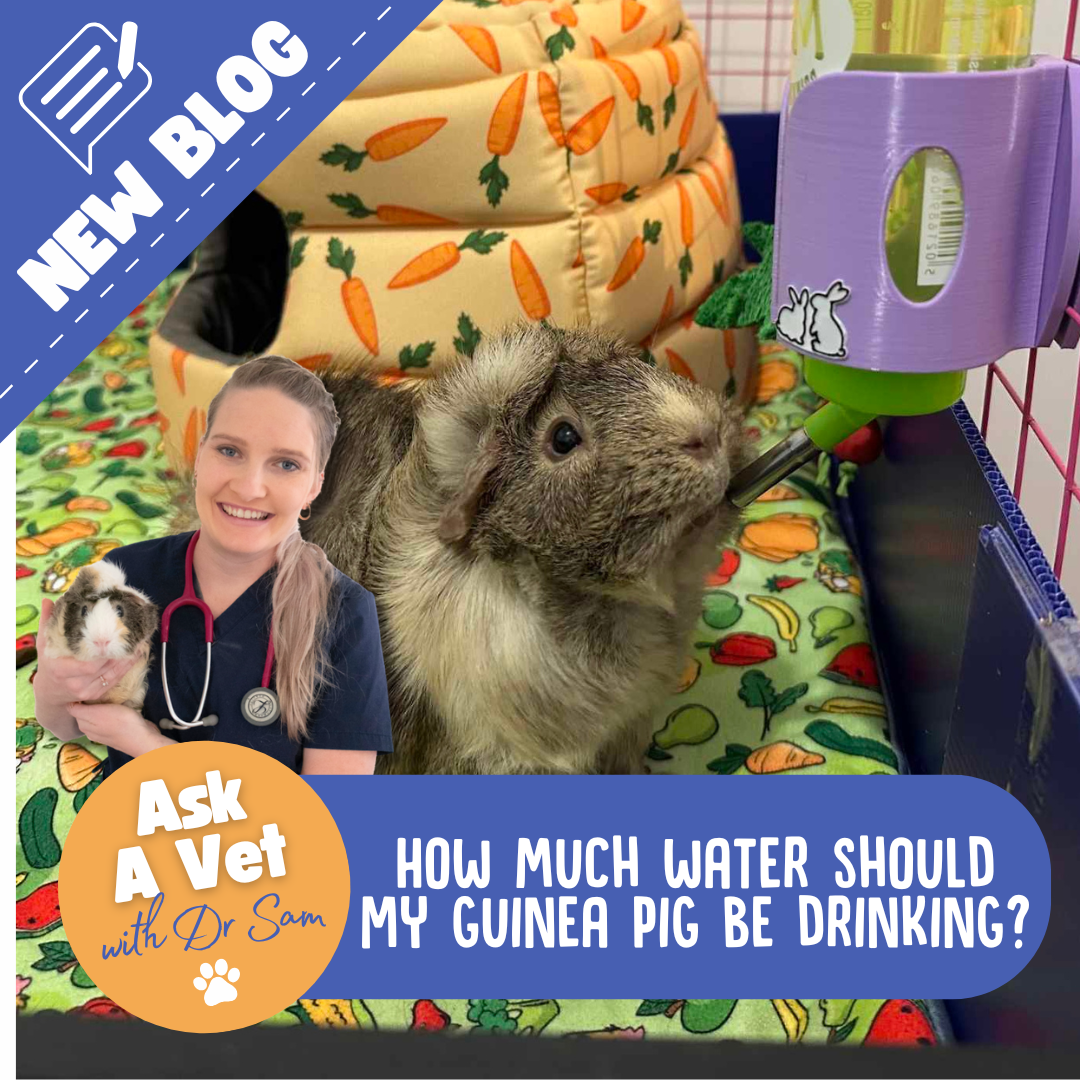
Causes: Why is my guinea pig drinking too much water?
Why is my guinea pig drinking too much water? Many things can cause a sudden rise in drinking.
Common causes include illness, diet, temperature, and stress. Each cause needs a different response.
- Infection or urinary tract problem. These can make a guinea pig drink more and urinate often.
- High-salt or high-sugar diet. Too many salty treats or fruit can push water intake up.
- Heat or poor ventilation. Guinea pigs cool themselves partly by drinking more in hot weather.
- Kidney or liver disease. These often cause chronic increased thirst and other signs.
- Diabetes or hormonal issues. Rare, but possible and serious.
- Medications or toxins. Some drugs and chemicals increase thirst.
- Pregnancy or lactation. Nursing sows can drink more to make milk.

How to tell if your guinea pig is drinking too much water
Why is my guinea pig drinking too much water? Look for changes you can measure.
Weigh your pig weekly. Watch for wet bedding, damp fur, or a drippy rear end.
- Track bottle or bowl use. Note the daily amount and compare over days.
- Spot frequent urination. Small pools or constant wet spots mean more output.
- Check behavior. Lethargy, reduced appetite, or weight loss alongside thirst is a red flag.
- Inspect urine. Cloudy, bloody, or very strong-smelling urine needs vet attention.

Common medical causes and how vets diagnose the issue
Why is my guinea pig drinking too much water? A vet uses tests to find the cause.
Typical checks include a full history, physical exam, and lab work.
- History and exam. The vet asks about diet, environment, medications, and symptoms.
- Urinalysis. This looks for infection, blood, crystals, or unusual concentration.
- Blood tests. These check kidney and liver markers, glucose, and red blood cell levels.
- Imaging. X-rays or ultrasound may reveal stones, tumors, or organ changes.
- Fecal exam. This rules out parasites or bacterial overgrowth that affect appetite and hydration.
Treatment depends on the diagnosis. Antibiotics treat bacterial infections. Diet change helps metabolic problems. Fluid therapy or specialist care may be needed for organ disease.

Immediate steps to take at home if your guinea pig drinks more water
Why is my guinea pig drinking too much water? Start with simple checks at home.
Act fast if your pig shows other signs like weakness, not eating, or severe wetness.
- Measure and record water. Use a cup to track daily intake for several days.
- Ensure clean, fresh water. Replace water daily and clean the bottle or bowl.
- Remove salty or sugary treats. Cut fruit and salty foods until cleared by a vet.
- Keep the cage cool and shaded. Improve ventilation and avoid heat stress.
- Monitor food and weight. A quick weight loss needs prompt veterinary care.
- Call a vet if worried. If your guinea pig acts ill, get professional help quickly.

Prevention and long-term care to reduce abnormal thirst
Why is my guinea pig drinking too much water? Prevention focuses on diet and health checks.
Good care reduces the chance that thirst signals a serious problem.
- Provide unlimited hay and a balanced pellet mix. Hay supports gut health and steady digestion.
- Offer fresh vegetables in measured amounts. Avoid high-sugar fruits and salty snacks.
- Clean water daily and inspect bottles for leaks. A leaking bottle can mask true intake.
- Keep the cage cool and dry. Ideal temps are about 65–75°F (18–24°C).
- Schedule regular vet checkups. Routine exams catch early dental or organ problems.
- Record intake and weight trends. Simple logs help spot subtle shifts fast.

My experience: lessons from a thirsty guinea pig
Why is my guinea pig drinking too much water? Once my piggy began to drink more after a dental issue.
I tracked intake and took him to a vet within two days. The vet found an overgrown tooth that made him eat less and drink oddly.
Key lessons I learned:
- Start measuring water right away. A baseline helps vets.
- Don’t ignore small changes. Guinea pigs hide pain well.
- Work with a vet. Home fixes can delay needed treatment.
Frequently Asked Questions of Why is my guinea pig drinking too much water?
Why is my guinea pig drinking too much water all of a sudden?
A sudden increase can mean infection, heat stress, or a recent diet change. If it comes with other symptoms, see a vet right away.
Could my guinea pig have diabetes if it drinks a lot?
Diabetes is rare in guinea pigs but possible; vets use blood tests to check glucose. Treatment varies and requires professional care.
Is it normal for a pregnant guinea pig to drink more?
Yes, nursing or late-stage pregnancy can raise thirst due to milk production and higher metabolic needs. Monitor her and offer fresh water and vet checks.
Can a leaking water bottle make my guinea pig seem to drink more?
Yes, a leak can hide true intake and create wet bedding that looks like frequent urination. Measure water use directly to be sure.
How long should I wait before seeing a vet for increased drinking?
If your guinea pig shows other signs like weight loss, dull coat, or odd urine, see a vet the same day. For isolated mild increases, track intake for 24–48 hours and call your vet if it persists.
Will changing food fix the problem of excess drinking?
Diet change can help if the issue is salty or high-sugar food. Always phase changes slowly and consult your vet before major diet shifts.
Conclusion
When you ask "Why is my guinea pig drinking too much water?" remember that it can stem from simple causes like heat or diet, or from more serious medical issues. Measure intake, watch for other signs, and involve a veterinarian when needed. Start small: track water and weight, remove salty treats, and keep the cage cool. Take action early to protect your pet’s health, and share this guide with other guinea pig owners who need help. If you found this useful, subscribe for more care tips or leave a comment with your guinea pig story.