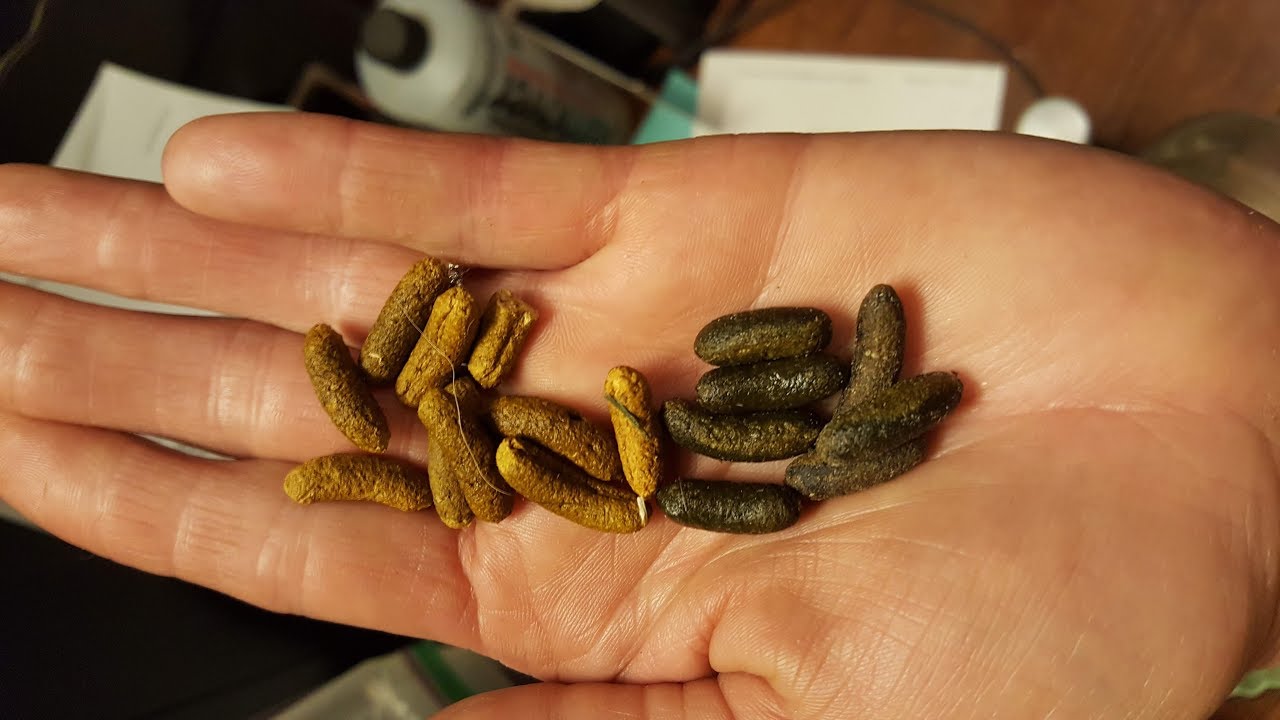
Healthy guinea pig poop is firm, round, brown pellets, consistent in size and smell.
I have kept and cared for guinea pigs for years and worked with vets to spot digestive issues early. This guide explains exactly what healthy guinea pig poop looks like, why it matters, how to recognize problems, and practical steps to keep your piggy healthy. Read on to feel confident checking droppings, spotting changes fast, and taking the right action.

Why guinea pig poop matters for health
Guinea pig droppings are a direct window into gut health. What does healthy guinea pig poop look like? It tells you about diet, hydration, gut bacteria, and possible illness. Regular checks help catch problems before they become emergencies. I learned early that watching poop saved one of my pigs from severe GI stasis by prompting a quick vet visit.

Characteristics of healthy guinea pig poop: What does healthy guinea pig poop look like?
A clear picture of normal droppings makes it easy to spot trouble. What does healthy guinea pig poop look like? Look for consistent shape, color, texture, and frequency. Below are the main traits to expect.
Size and shape
Healthy droppings are small, uniform, and pellet-shaped. Pellets are oval or round and about the size of a pea. Pellets should not be flattened, runny, or oddly shaped.
Color
Healthy color is dark brown to chocolate brown. Slight variation is normal based on diet. Very pale, green, black, or red-tinged stools are signs to watch.
Consistency
Firm but not rock-hard is ideal. Pellets should hold their shape. Soft, mushy, or sticky droppings are not normal and may signal diarrhea or dietary upset.
Frequency and quantity
Expect regular, many small pellets every day. A healthy pig produces dozens of pellets daily and also produces softer cecotropes (nutrient-rich night feces) that they usually eat directly. A sudden drop in output or large watery piles is a red flag.
Common abnormal signs and causes
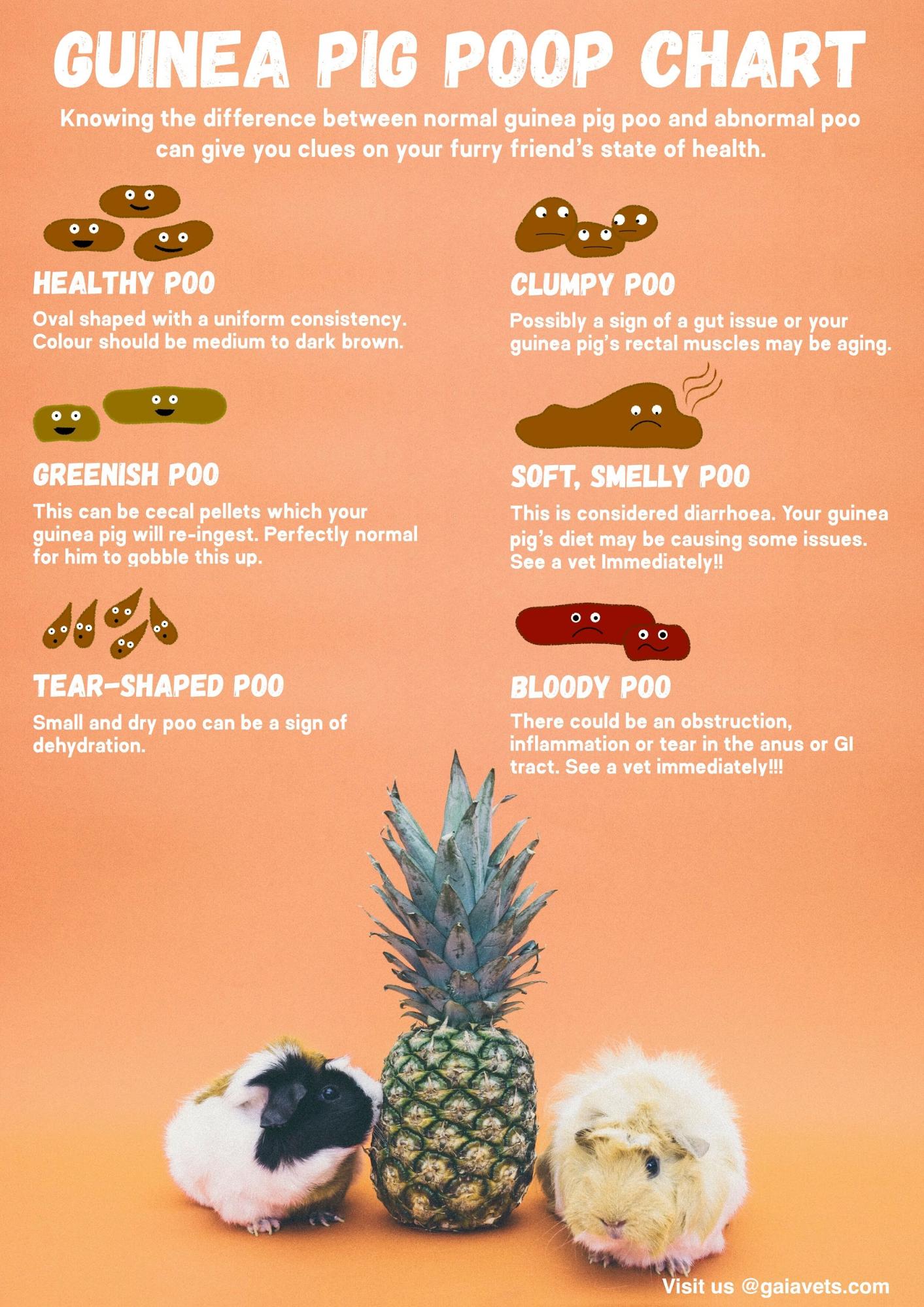
Knowing what is abnormal helps you act fast. What does healthy guinea pig poop look like? Comparing changes to that standard matters. Here are common problems and likely causes.
Diarrhea or very loose stools
Loose stool often comes from bacteria overgrowth, sudden diet change, or antibiotics. Dehydration is a serious risk. Seek vet care if diarrhea lasts more than a few hours or if your guinea pig seems unwell.
Small, dry, or scant pellets
Tiny or fewer pellets can indicate dehydration, pain, or reduced food intake. GI slow-down or poor hay access are common culprits. Increase hay and water and monitor appetite.
Mucus, blood, or unusual color
Mucus or blood signals infection, parasites, or intestinal injury. Very pale or clay-colored stool may indicate liver or bile problems. These findings require prompt veterinary examination.
Cecotropes not eaten
If your pig ignores cecotropes (small soft feces they normally eat), it could mean dental pain, obesity, or mobility issues. Check teeth and body condition.
Change after diet or meds
A sudden switch in pellets, veggies, or an antibiotic can change stool quickly. Reintroduce foods slowly and only use vet-prescribed medications properly.
Short practical checks (PAA-style quick answers)
What does healthy guinea pig poop look like when a diet change is happening?
- Expect temporary softer stools for a day or two as gut flora adjusts; persistency beyond 48 hours needs a vet.
What does healthy guinea pig poop look like if the pig is dehydrated?
- Pellets become small and dry; urine frequency drops and skin tenting may show dehydration.
What does healthy guinea pig poop look like with dental pain?
- Pellets may be smaller or uneaten cecotropes present; the pig may drop food and eat less.

How to keep guinea pig poop healthy
Prevention keeps droppings normal and your pet happy. What does healthy guinea pig poop look like? It reflects consistent care. Use these practical tips.
- Feed high-quality grass hay freely
- Hay supports gut motility and pellet consistency. I give unlimited timothy or orchard hay and saw clear stool improvement.
- Offer balanced pellets and fresh veggies daily
- Use a measured pellet portion and rotate veggies slowly. Avoid sudden large amounts of fruit or high-sugar items.
- Ensure constant access to clean water
- Use a bottle and check flow daily. Dehydration quickly affects poop size and shape.
- Maintain clean, dry bedding
- Dirty cages can cause infections and stress. Clean frequently to reduce contamination of droppings.
- Monitor and record changes
- Keep a short log of stool changes and diet shifts. This helped me notice subtle trends before illness.
- Ask about probiotics and vet guidance
- Only use probiotics or medicines under vet advice. Some strains help recovery after antibiotics.

When to seek veterinary care
Knowing when to act can save your guinea pig. What does healthy guinea pig poop look like? If you see anything far from that standard, consider these signs:
- Persistent diarrhea over 12–24 hours
- No droppings for 12–24 hours or drastically fewer pellets
- Blood, heavy mucus, or very pale stools
- Lethargy, loss of appetite, or pain signs alongside stool change
- Rapid weight loss or dehydration signs
Call your vet promptly if you see these. Early treatment often means a much better outcome.

My experience, mistakes, and lessons learned
I once ignored a slight change in stool color thinking it was a veggie effect. The pig later developed a serious GI issue. Lesson: document diet changes and stool daily for a week after any adjustment. Another tip: scale pellet portions to body size—overfeeding pellets often creates softer stools and obesity. I now keep a simple chart and share it with my vet during checkups. This routine has helped avoid several problems.

Frequently Asked Questions of What does healthy guinea pig poop look like?
What does healthy guinea pig poop look like in color and smell?
Healthy droppings are dark brown and have little odor. A strong bad smell can mean infection or poor diet.
How often should guinea pigs poop each day?
Guinea pigs produce dozens of pellets daily and regular cecotropes at night. A sudden drop in output over a day is concerning.
Are soft droppings always an emergency?
Not always; mild softness after a diet change can be temporary. If soft stools last over 24–48 hours or your pet seems unwell, see a vet.
Can diet change cause bad-looking poop?
Yes, sudden changes in pellets or fresh foods can alter stool quickly. Introduce new foods slowly to avoid issues.
What does healthy guinea pig poop look like if the pig is healthy but aging?
Older pigs can have smaller or fewer pellets due to dental or mobility issues. Regular vet checks help catch treatable causes early.
Conclusion
Healthy guinea pig poop is a simple, clear signal: uniform, firm, dark brown pellets produced daily. By checking droppings regularly, offering constant hay and water, and acting on changes early, you protect your pet’s gut health and quality of life. Start a daily stool-check habit, keep a short log, and contact your vet for worrying signs. Share your experiences, subscribe for more care tips, or leave a comment about your guinea pig’s poop observations.