
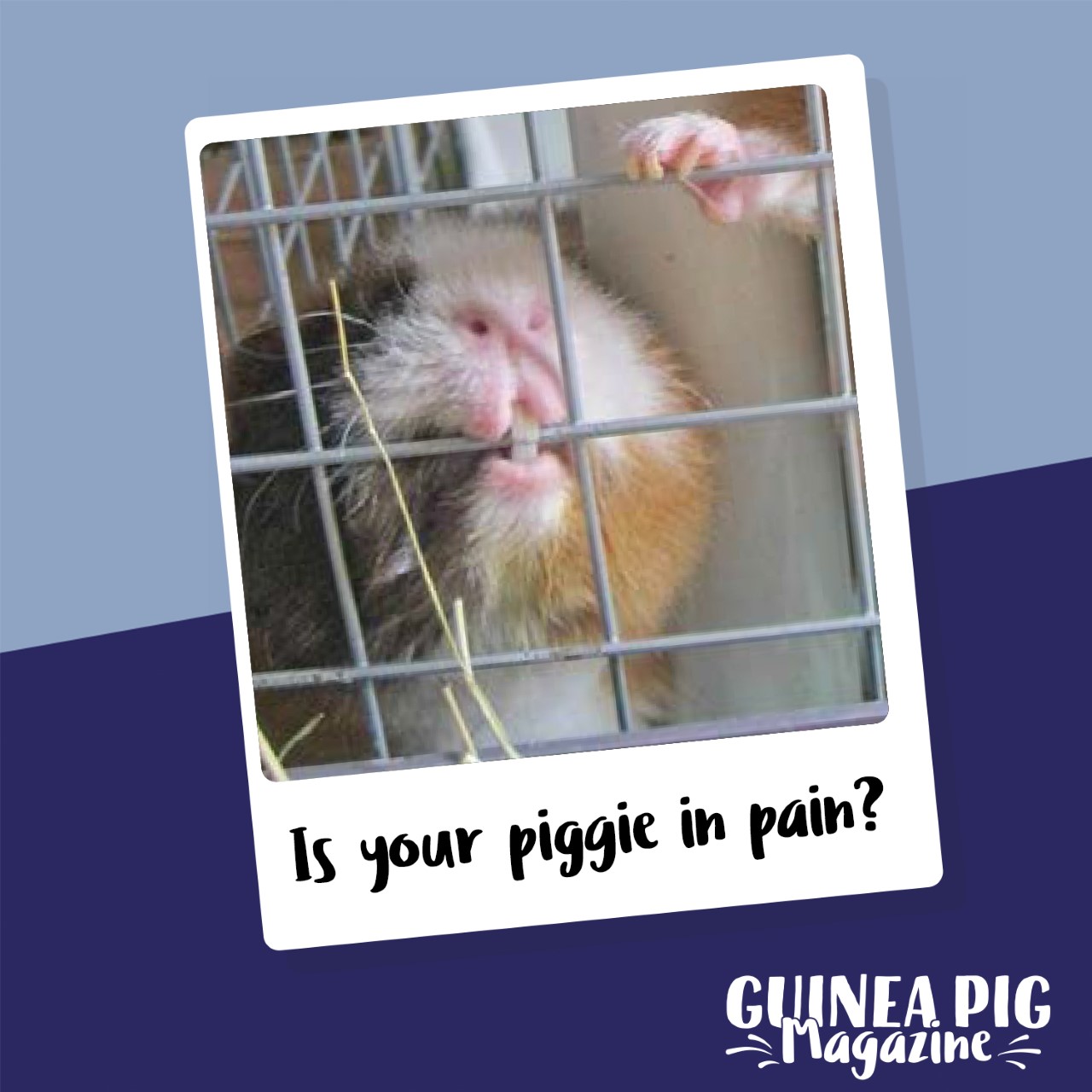
Most guinea pigs tremble from cold, fear, pain, illness, or neurological issues and need prompt attention.
I have worked with small pets and studied guinea pig health for years. I will explain why guinea pigs shake or tremble, how to spot the cause, and what you can do right away. Read on to learn clear steps to protect your guinea pig and feel confident when you ask, "Why is my guinea pig shaking or trembling?"

How to tell shaking from other behaviors
Guinea pigs move in many ways. They may twitch during sleep. They may wiggle when excited. Shaking or trembling is different. It is rhythmic, often whole-body, and may last longer than a moment. When you wonder "Why is my guinea pig shaking or trembling?" first watch for these signs.
Look for these clues
- Duration: Is the tremor a few seconds or ongoing?
- Context: Did it start after being handled, in cold, or while resting?
- Other signs: Is your guinea pig eating, breathing normally, or acting withdrawn?
If shaking comes with heavy breathing, pale gums, or loss of appetite, treat it as an emergency. These signs point to serious causes.

Common causes of shaking or trembling
When you ask "Why is my guinea pig shaking or trembling?" consider a range of causes. I list the most common ones below and explain what each looks like.
Pain or injury
- Pain often causes sudden, sharp trembling. Your guinea pig may flinch when touched. Check for wounds, swollen limbs, or reluctance to move.
Cold and shivering
- Guinea pigs cannot tolerate cold well. Shivering from low temperature is common. Make sure their habitat is warm and draft-free.
Fear, stress, or excitement
- New noises or being picked up can trigger shaking. Stress tremors are usually short and stop once your pig calms down.
Neurological problems
- Disorders of the brain or nerves can cause continuous tremors. These tremors may not change with temperature or handling.
Respiratory infection or sepsis
- Severe infections can make a guinea pig shake. Look for nasal discharge, labored breathing, or lethargy.
Low blood sugar or hypoglycemia
- Young, underweight, or ill guinea pigs may tremble from low glucose. They can be weak and wobbly.
Vitamin C deficiency (scurvy)
- Guinea pigs need daily vitamin C. Trembling with swollen joints or bleeding gums can point to deficiency.
Poisoning or toxin exposure
- Ingesting toxic plants, cleaning products, or heavy metals can cause tremors. Onset may be fast and accompanied by vomiting or drooling.
Ear or inner-ear problems
- Inner-ear infections affect balance. Trembling may come with head tilts or falling.
Aging and muscle weakness
- Older guinea pigs may have mild tremors from muscle loss or arthritis. They usually still eat and act alert.
Seizures
- Seizures are sudden and violent. The guinea pig may collapse, paddle limbs, or lose consciousness. Seizures need urgent vet care.
When evaluating "Why is my guinea pig shaking or trembling?" use context and other signs to narrow the cause. If you are unsure, contact your veterinarian.

How vets diagnose shaking and trembling
Vets use a stepwise approach when asked, "Why is my guinea pig shaking or trembling?"
- History and exam: Your vet will ask about onset, diet, environment, and other symptoms. A hands-on exam checks temperature, gums, lungs, ears, and joints.
- Blood tests: These reveal infections, blood sugar, organ function, and electrolytes.
- Imaging: X-rays or ultrasound can find injuries, tumors, or pneumonia.
- Neurologic checks: Reflex and coordination tests help spot nerve or brain disease.
- Cultures and swabs: These identify infections in the ear or respiratory tract.
Accurate diagnosis saves time and pain. If tests are needed, follow your vet’s guidance.
What to do right away at home
If you spot shaking, take calm, quick steps. Your actions can stabilize your guinea pig while you arrange vet care.
Immediate steps
- Keep warm: Move the cage to a warm, quiet spot and offer a fleece or towel. Avoid overheating.
- Check breathing and color: Look at gums. Pale or blue gums need urgent vet care.
- Remove hazards: Ensure no toxic plants or chemicals are nearby.
- Offer food and water: If alert, give hay and water. If they refuse food for more than 24 hours, seek care fast.
- Note details: Record when shaking started, duration, and other symptoms. This helps your vet.
If your guinea pig is seizing, having trouble breathing, is extremely weak, or is bleeding, go to an emergency vet immediately.

Treatment options and recovery
Treatment depends on cause. Common therapies include:
- Warmth and supportive care: For cold or stress-induced shaking.
- Pain relief and anti-inflammatories: For injury or arthritis.
- Antibiotics: For bacterial infections like pneumonia or ear infections.
- Vitamin C supplementation: For scurvy or prevention.
- IV fluids and nutritional support: For dehydration or severe illness.
- Anticonvulsants: For seizure control in specific cases.
Recovery time can be hours to weeks. Follow your vet’s instructions and give daily care. Monitor appetite, urine, stool, and behavior for changes.

Preventing shaking and tremors
Prevention is often straightforward. Here are practical steps I use with clients and my own pets.
Daily care tips
- Keep temperature stable between 65–75°F (18–24°C) and away from drafts.
- Provide fresh hay, water, and a vitamin C–rich diet daily.
- Handle gently and build trust to reduce stress tremors.
- Check the cage for hazards and toxic plants.
- Schedule regular health checks with your vet and watch for small changes.
Good prevention reduces visits to the vet. It also keeps your guinea pig happy and calm.

My experience: lessons learned and practical tips
I once cared for a guinea pig named Pip who trembled after a cold night. Quick warming and vitamin C helped. Later, we found a mild respiratory infection that antibiotics fixed. That taught me three lessons:
- Small signs matter. Even a short tremor can indicate illness.
- Record details. Time, environment, and behavior help the vet.
- Prevent with simple routines. Stable heat and daily vitamin C go a long way.
When you think, "Why is my guinea pig shaking or trembling?" check environment first, then seek vet care. Trust your instincts as an owner.

Frequently Asked Questions of Why is my guinea pig shaking or trembling?
Can cold alone make my guinea pig shake?
Yes. Guinea pigs shiver to generate heat. If they are in a cold or drafty area, warming them gradually and removing drafts can stop the shaking.
Is trembling always a sign of pain?
Not always. Trembling can come from fear, cold, or excitement. If shaking comes with hunched posture, vocalizing, or avoiding touch, pain is likely.
How fast should I get to the vet if my guinea pig trembles?
If trembling is paired with pale gums, trouble breathing, collapse, or seizures, seek emergency care immediately. For mild, brief shaking, call your vet the same day.
Can vitamin C deficiency cause shaking?
Yes. Scurvy can cause joint pain and weakness that looks like trembling. Daily vitamin C is essential to prevent this.
Are seizures the same as trembling?
No. Seizures are sudden, intense, and may include loss of consciousness. Trembling can be milder and accompanied by other signs like shivering or stress.
Conclusion
Shaking in guinea pigs can come from many things: cold, stress, pain, infection, or neurological issues. Watch closely, provide warmth and comfort, and note other symptoms. When in doubt, call your veterinarian. Act early to help your pet heal faster and avoid complications. Share your experiences in the comments, subscribe for more small-pet care tips, or contact a vet if your guinea pig is trembling right now.