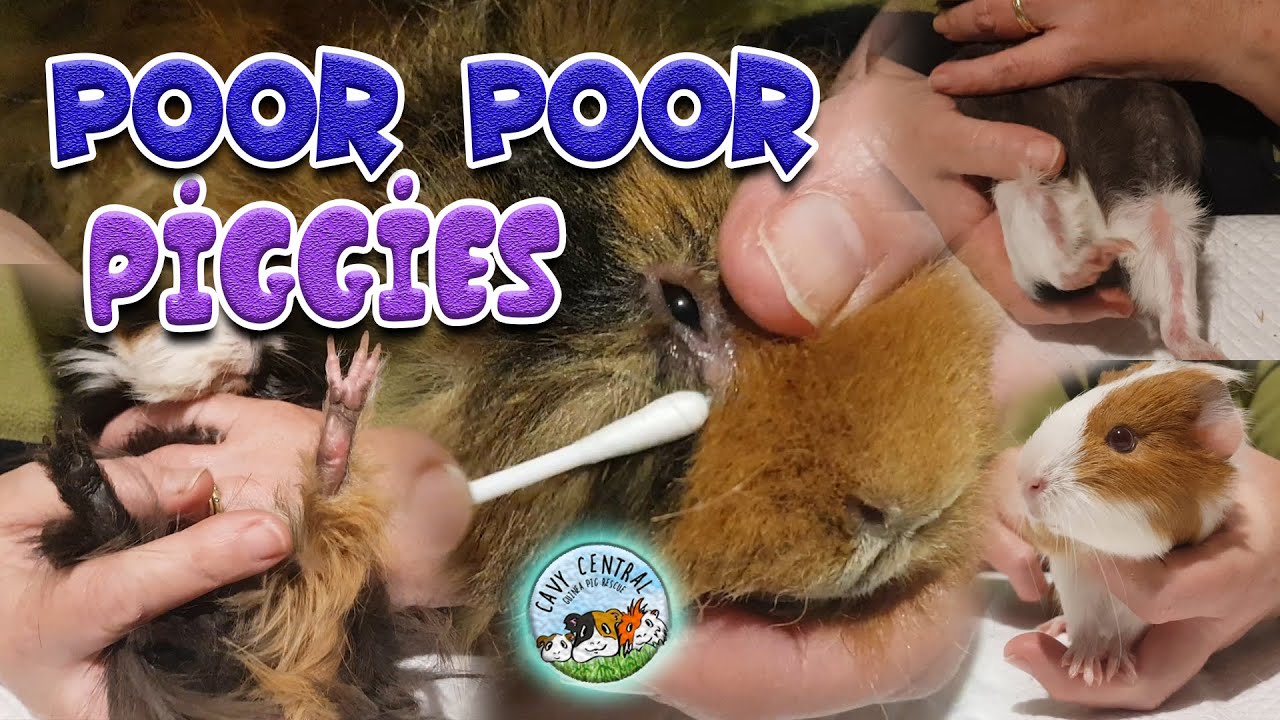
A dehydrated guinea pig shows sunken eyes, dry gums, reduced urine, poor skin turgor, and lethargy.
As a longtime guinea pig caregiver and researcher, I’ll walk you through clear, practical steps to answer How do I know if my guinea pig is dehydrated? This guide explains signs, simple home checks, emergency steps, and prevention so you can act fast and keep your pet healthy.

How do I know if my guinea pig is dehydrated?
Dehydration in guinea pigs can come on fast. Watch for changes in behavior and body signs. Knowing how do I know if my guinea pig is dehydrated? helps you spot trouble early. I will show the most reliable signals to look for and easy tests you can do at home. These checks are safe and low-stress when done correctly.

Common causes of dehydration
Guinea pigs are small and lose water fast. Causes are easy to miss.
- Illness or infection that causes diarrhea or vomiting. These quickly lower body fluids.
- Reduced water intake because of an empty bottle, blocked nozzle, or pain while drinking.
- Heat stress. High temperature makes them overheat and lose water.
- Dental problems. Mouth pain can stop them from drinking normally.
- Poor diet. Low-fiber or dry diets can alter intake and hydration.
Knowing how do I know if my guinea pig is dehydrated? means linking signs to likely causes. Fixing the cause is as important as replacing fluids.

Signs and symptoms to watch for
Look for subtle and clear signs. If you see several at once, act quickly.
- Eyes appear sunken and dull.
- Gums feel tacky or dry rather than moist.
- Skin loses elasticity and stays tented after a gentle lift.
- Lethargy or hiding more than usual.
- Reduced or dark urine and fewer droppings.
- Rapid breathing or collapsed posture in severe cases.
When you ask how do I know if my guinea pig is dehydrated? prioritize gums, skin elasticity, and behavior changes. Those three are often the fastest indicators.
How to check dehydration at home safely
Do simple checks once or twice a day when concerned. Keep tests gentle.
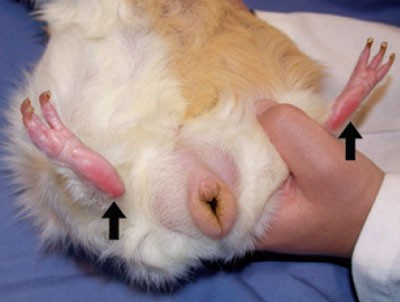
- Skin tent test
- Pinch a small patch of loose skin on the scruff for a second. Release gently.
- If the skin snaps back quickly, hydration is likely OK. If it stays tented, dehydration is likely.
- Gums check
- Gently lift the lip. Healthy gums are moist and light pink. Dry, sticky, or pale gums are a red flag.
- Urine and droppings
- Monitor urine color and frequency. Dark, strong-smelling urine or very few droppings suggest fluid loss.
- Monitor water intake
- Mark the water level daily. Sudden drop or no change suggests a problem with drinking or the bottle.
Always be calm and short during checks. Stress can hide signs. Practice these checks when your guinea pig is relaxed so you can recognize normal.

Emergency signs that need immediate vet care
Some symptoms mean urgent care is needed right away.
- Collapse or inability to stand.
- Very pale or white gums.
- Very rapid, shallow breathing or gasping.
- No urine for many hours while other signs exist.
- Extreme weakness or stupor.
If you suspect any of these, call your vet immediately. When you wonder how do I know if my guinea pig is dehydrated? and see severe signs, treat it as an emergency.

How to rehydrate a dehydrated guinea pig at home (first aid)
For mild dehydration, you can start safe first aid while arranging vet care.
- Offer fresh water immediately in a shallow dish and a working bottle.
- Provide water-rich foods like cucumber, leafy greens, and bell pepper.
- Use an unflavored electrolyte solution only if advised by a vet. Too much sugar or wrong balance can harm them.
- If your guinea pig won’t drink, try offering water via a syringe into the cheek pouch very gently. Give tiny amounts slowly to avoid aspiration.
These steps help short-term. If your pet is severely dehydrated, a vet will likely provide subcutaneous or intravenous fluids. Don’t delay professional care if home measures don’t work.

Veterinary diagnosis and treatment
A vet will confirm dehydration and look for its cause.
- Physical exam and skin tent test.
- Blood tests to check electrolytes and organ function.
- Urinalysis if needed.
- Fluid therapy, often subcutaneous fluids, and supportive care.
- Treat the root cause with antibiotics, dental work, or heat management as needed.
Knowing how do I know if my guinea pig is dehydrated? helps you give the vet clear details. Note what you observed and when it started.

Prevention and daily care tips
Preventing dehydration is easier than treating it.
- Provide two water sources: a bottle and a shallow dish. Some pigs prefer one over the other.
- Check water levels and bottle flow daily.
- Feed fresh greens and water-rich veggies every day.
- Keep cage clean and cool. Avoid direct sun and high heat.
- Check teeth and mouth health at least monthly.
- Use electrolyte solutions only on vet advice, not routinely.
These habits reduce the chance you need to ask how do I know if my guinea pig is dehydrated? in a hurry.

Monitoring and record keeping
Small records help spot slow problems early.
- Track daily water intake and droppings.
- Note behavior, appetite, and weight weekly.
- Write down any odd signs and when they started.
- Share these notes with your vet if issues arise.
Simple logs make it easier to answer how do I know if my guinea pig is dehydrated? and give precise info to the vet.
Personal experience and lessons learned
I once had a shy pig stop drinking after a molar overgrowth. The skin tent test and sticky gums told me it was dehydration. A quick vet visit and subcutaneous fluids fixed it fast. Lesson learned: check water flow and teeth sooner. Also, keep favorite watery veggies ready. Small changes often prevent big scares.
PAA-style quick questions
How long can a guinea pig go without water?
Most guinea pigs should never be without water for more than 6–12 hours. Even short gaps can lead to dehydration.
Can a dehydrated guinea pig recover at home?
Mild cases can improve with fluids and watery foods, but always consult a vet if signs persist or worsen.
What water temperature is best for guinea pigs?
Room temperature water is best. Cold or hot water can discourage drinking.
Frequently Asked Questions about How do I know if my guinea pig is dehydrated?
How do I know if my guinea pig is dehydrated or just sleepy?
Check gums and skin turgor. Sleepiness alone without dry gums or tented skin usually isn’t dehydration.
Can dehydration cause weight loss in guinea pigs?
Yes. Dehydration often reduces appetite, which leads to rapid weight loss that needs vet attention.
Is the skin tent test painful for guinea pigs?
No. When done gently it is not painful. Keep checks brief to avoid stress.
How much water does a guinea pig need daily?
Most adult guinea pigs drink about 100–200 mL per day, depending on size and diet. Monitor your own pet’s usual amount to spot changes.
Are electrolyte solutions safe for guinea pigs?
Electrolyte solutions can help short-term but should be used under veterinary guidance to avoid imbalances.
Conclusion
Spotting dehydration early can save your guinea pig’s life. Watch for dry gums, sunken eyes, fewer droppings, and a skin tent that doesn’t snap back. Keep fresh water, water-rich foods, and a cool, clean habitat. If you ever ask How do I know if my guinea pig is dehydrated? use the simple checks here and call your vet when signs appear. Take action fast, keep records, and make small daily habits to prevent future problems. If this article helped, consider subscribing for more pet care tips or leave a comment with your questions.