
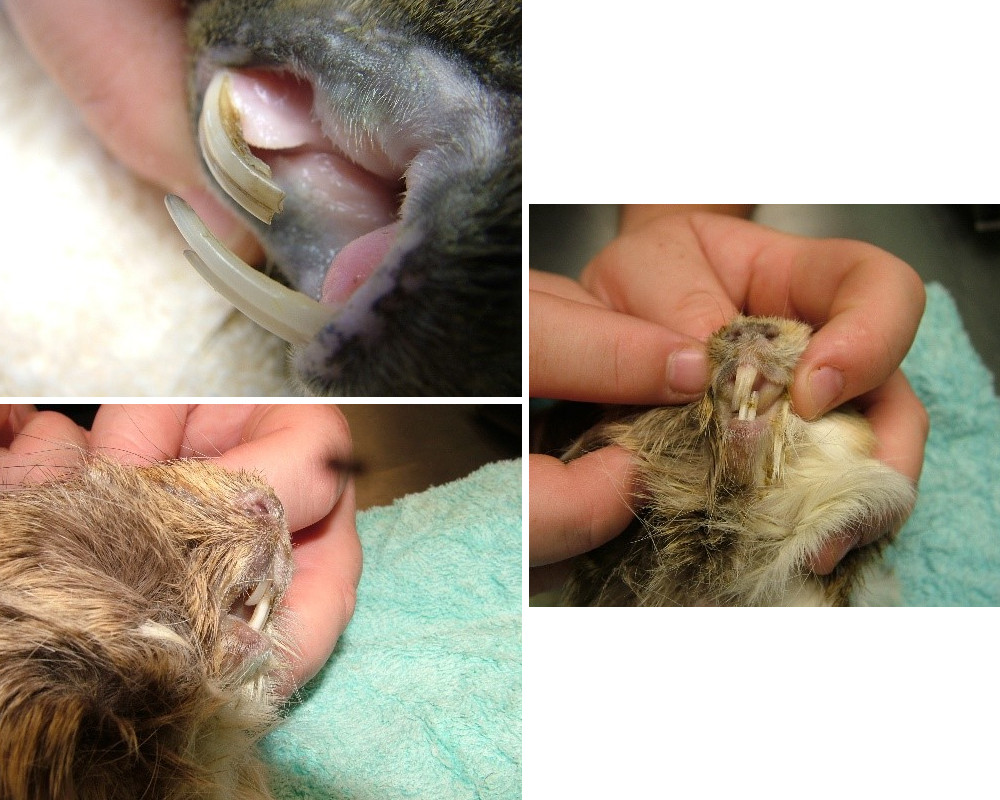
Guinea pigs with scurvy show vitamin C deficiency signs like bleeding gums, joint pain, and lethargy.
I’ve worked with small mammals and rescued guinea pigs for years, and I’ll walk you through exactly how to spot scurvy in your pet, why it happens, and what to do right away. This guide answers the question How do I know if my guinea pig has scurvy? with clear signs, vet diagnostics, treatment steps, and practical prevention tips so you can act fast and keep your pig healthy.
What is scurvy in guinea pigs?
Scurvy is vitamin C deficiency. Guinea pigs cannot make vitamin C. They rely on food or supplements to get enough ascorbic acid. Without enough vitamin C, their collagen production fails. That leads to weak blood vessels, sore joints, poor wound healing, and other problems.
How do I know if my guinea pig has scurvy? Watch for slow, progressive signs tied to poor collagen and bleeding. Scurvy can be mild at first and then worsen over days to weeks. Early detection helps a faster and fuller recovery.
Common signs and symptoms of scurvy
Recognizing early signs helps prevent severe illness. Signs can be subtle or dramatic. Here are the most common symptoms.
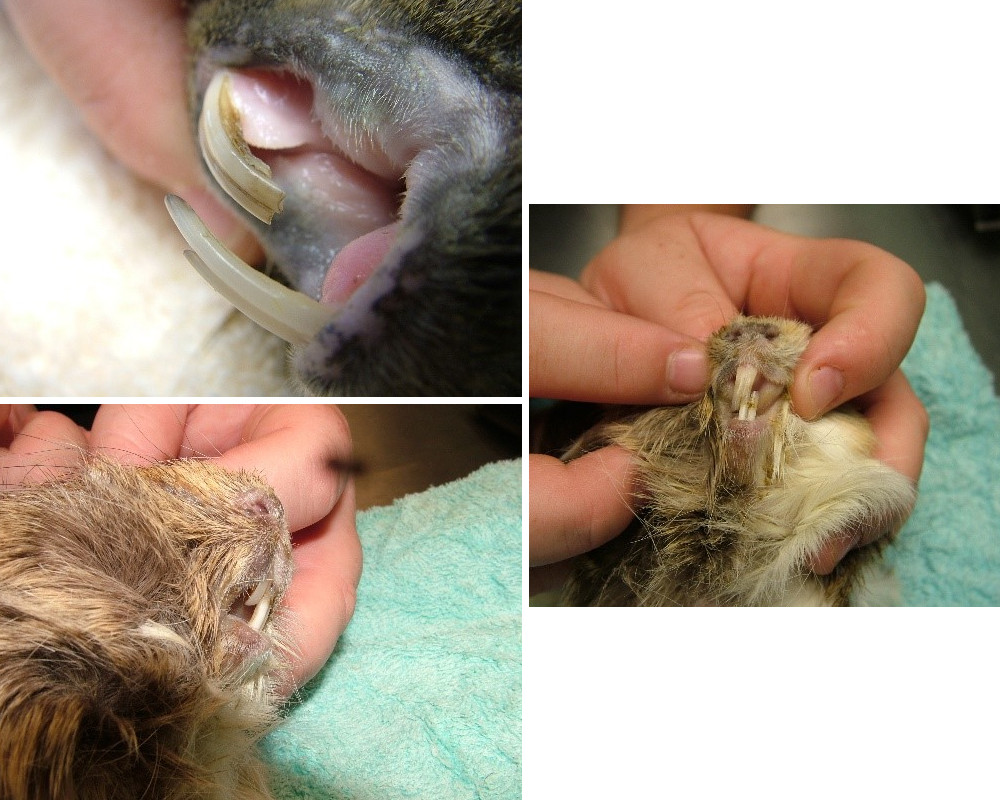
- Bleeding or swollen gums: Gums may look red, puffy, or bleed when touched.
- Loose or missing teeth: Teeth may loosen because the jaw bone weakens.
- Lethargy and weakness: Your guinea pig may move less and sleep more.
- Poor appetite and weight loss: Loss of interest in food and steady weight decline.
- Swollen, painful joints: Stiffness or limping, often worse after rest.
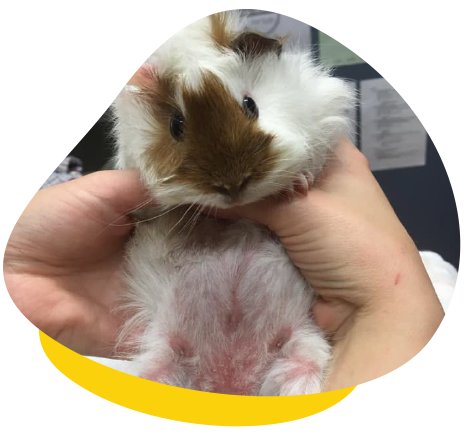
- Rough or thinning fur: Coat looks dull or patchy from poor collagen.
- Bruising and slow healing: Small bumps cause large bruises or wounds heal slowly.
How do I know if my guinea pig has scurvy? If you see more than one sign, especially bleeding gums plus lethargy, treat it as an emergency and consult your vet.

How vets diagnose scurvy
A vet will combine history, physical exam, and tests. Diagnosis steps often include:
- History review: Diet, supplement use, onset of symptoms, and any household changes.
- Physical exam: Check gums, joints, coat, weight, and body condition.
- Bloodwork: CBC and biochemistry to rule out infection and check organs.
- Radiographs: X-rays can show bone changes and joint swelling in long-standing cases.
- Response to treatment: Rapid improvement after vitamin C therapy supports the diagnosis.
How do I know if my guinea pig has scurvy? A vet’s exam is the most reliable path. Self-diagnosis is risky because other illnesses mimic scurvy.
Treatment and recovery
Treatment is straightforward but must start quickly.
- Immediate vitamin C supplementation: Daily high-dose vitamin C given by mouth or injection as directed by your vet.
- Supportive care: Pain relief, fluids, soft foods, and warming help weak pigs.
- Treat infections: Antibiotics if secondary infection is suspected.
- Monitor and follow-up: Repeat exams and possibly blood tests to ensure recovery.
Most guinea pigs improve within 48–72 hours of proper treatment. Full recovery can take weeks for bone and joint healing. How do I know if my guinea pig has scurvy? Look for rapid appetite return and less pain within days after starting vitamin C—those are good signs.

Preventing scurvy: diet, supplements, and best practices
Prevention is easy with consistent care. Use these habits to protect your pet.
- Feed fresh hay daily: Timothy hay supports gut and dental health.
- Offer fresh vegetables rich in vitamin C: Bell peppers, kale (in moderation), and parsley.
- Use a quality pellet with added vitamin C: Check the label and storage date.
- Provide a daily vitamin C supplement if needed: Use vet-recommended formulations.
- Store feed properly: Heat and humidity destroy vitamin C in pellets and produce.
- Avoid watering down vitamin C: Don’t rely only on water-soluble drops in water because they degrade quickly.
How do I know if my guinea pig has scurvy? If you follow these prevention steps, the risk is very low. Keep a consistent routine and monitor diet closely.

When to see the vet
Act quickly when you see concerning signs. Seek veterinary care if you notice any of the following:
- Bleeding from the gums or mouth
- Severe lethargy or collapse
- Refusal to eat for more than 12–24 hours
- Painful or swollen joints
- Sudden weight loss or signs of infection
How do I know if my guinea pig has scurvy? If signs appear, don’t wait—early treatment greatly improves outcomes.

Personal experience and practical tips
I once cared for a young guinea pig with mild scurvy. The owner thought the pet was just picky. After a vet visit and vitamin C treatment, the pig ate within a day and its energy returned quickly. Key lessons I learned:
- Never assume pellets alone are enough; check vitamin C content and rotation.
- Keep extra bell peppers on hand for quick boosts of vitamin C.
- If a guinea pig becomes suddenly quiet, treat it as urgent and call your vet.
How do I know if my guinea pig has scurvy? Trust your gut. If your pet seems off, early vet care and a short course of vitamin C can make a big difference.
PAA-style questions
How quickly does scurvy show up in guinea pigs?
Scurvy can develop within a few weeks of inadequate vitamin C. Signs may start slowly and become worse over time.
Can scurvy kill a guinea pig?
If untreated, severe scurvy can lead to fatal complications like infection, internal bleeding, and organ failure. Early treatment prevents most deaths.
Is human vitamin C safe for guinea pigs?
Small oral doses of human vitamin C tablets are sometimes used, but dosing must be precise. Always check with your vet for the correct form and dose.
How much vitamin C does a guinea pig need daily?
Most adult guinea pigs need about 10–30 mg per day, though growing or sick animals may need more. Your vet will advise specific dosing.
Will scurvy come back after treatment?
Scurvy can recur if diet doesn’t change. Continued dietary care and proper supplementation keep it from returning.
Frequently Asked Questions of How do I know if my guinea pig has scurvy?
What are the first signs of scurvy in a guinea pig?
Early signs include reduced appetite, mild lethargy, and slightly swollen or red gums. These subtle signs often precede more obvious symptoms.
Can scurvy cause breathing problems?
Scurvy itself rarely causes direct breathing issues, but weakened immunity and infections secondary to scurvy can affect breathing. A vet should evaluate any breathing changes promptly.
How quickly will my guinea pig improve with treatment?
Many guinea pigs show appetite and energy improvement within 48–72 hours after starting vitamin C. Bone and joint healing can take several weeks.
Are certain breeds more prone to scurvy?
All guinea pig breeds can get scurvy because none produce vitamin C. Risk depends more on diet and care than breed.
Can I give my guinea pig too much vitamin C?
High doses over a long time can cause diarrhea or digestive upset. Follow vet dosing and use balanced, vet-recommended supplements.
Conclusion
Recognizing scurvy early can save your guinea pig pain and serious illness. Watch for bleeding gums, joint pain, lethargy, and poor appetite. Ask your vet how do I know if my guinea pig has scurvy? and follow their testing and treatment plan immediately. Keep a steady diet with fresh veggies, quality pellets, and proper supplements to prevent recurrence. Take action at the first sign, and share your experience or questions below to help other guinea pig owners learn and stay prepared.