
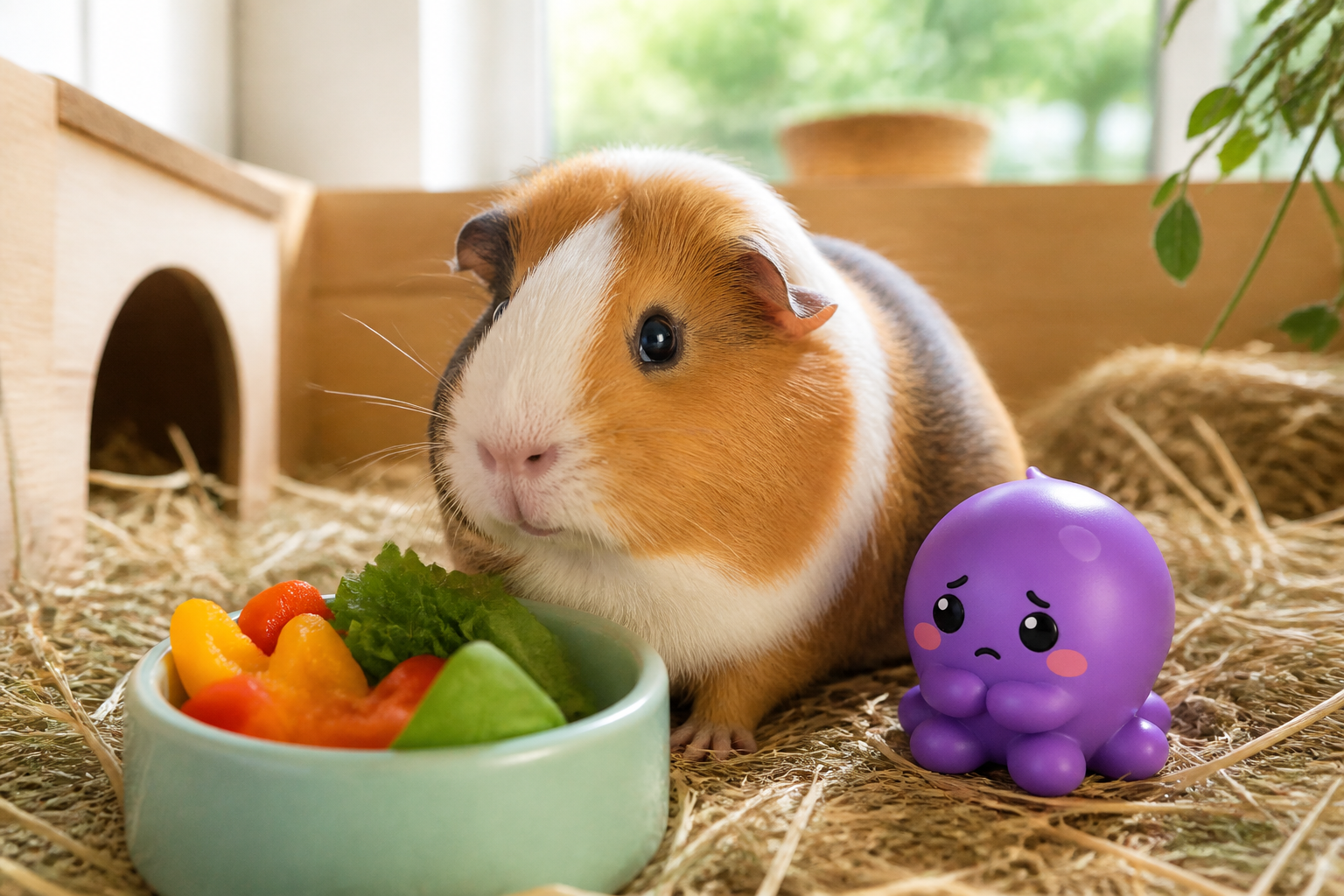
Common deficiencies in guinea pigs include vitamin C, vitamin D, and sometimes vitamins A and E.
I have cared for guinea pigs for years and worked with veterinarians on nutritional plans. This article explains what vitamin deficiencies do guinea pigs get?, how to spot them, how to treat them, and how to prevent problems with clear, practical steps. Read on for in-depth, experience-backed guidance you can use today.

Why guinea pigs need vitamins
What vitamin deficiencies do guinea pigs get? Guinea pigs cannot make vitamin C. They also depend on dietary sources for vitamin A, vitamin D, and other micronutrients. Vitamins support immune function, bone health, skin and coat, and overall energy.
A balanced diet keeps guinea pigs healthy. Fresh hay, vegetables, and measured pellets supply most needs. But mistakes in feeding, poor storage of food, or long-term reliance on inappropriate pellets can cause gaps in essentials.

Common vitamin deficiencies in guinea pigs
What vitamin deficiencies do guinea pigs get? The most common are:
- Vitamin C deficiency
- Leads to scurvy. Guinea pigs need continuous vitamin C from food or supplements.
- Vitamin D deficiency
- Causes weak bones and poor calcium balance, especially in indoor or low-light pets.
- Vitamin A deficiency
- Affects vision, skin, and mucous membranes when diets lack beta-carotene or preformed vitamin A.
- Vitamin E deficiency
- Can cause muscle weakness and reproductive problems if diets are low in fresh fats and greens.
- B vitamin shortfalls
- Rare on varied diets but can happen with poor-quality pellets or long-term stress.
I focus on simple prevention. Most problems start with a limited diet or storage losses. Freshness matters more than complex formulas.

Symptoms by vitamin: how deficiencies show up
What vitamin deficiencies do guinea pigs get? Symptoms differ by vitamin and often overlap. Watch for these signs:
- Vitamin C
- Lethargy, swollen joints, bleeding gums, poor coat, difficulty moving.
- Vitamin D
- Limping, bowed legs, soft bones, fractures, reduced appetite.
- Vitamin A
- Dry eyes, poor growth, rough coat, recurrent infections.
- Vitamin E
- Muscle tremors, weakness, poor coordination.
- B vitamins
- Weight loss, poor appetite, slow recovery from illness.
Early detection is key. If you see any of these signs, call your vet. Many signs mimic other diseases, so testing helps.

Diagnosing and treating deficiencies
What vitamin deficiencies do guinea pigs get? Vets diagnose by clinical signs, diet history, and sometimes blood tests. Diagnosis guides treatment.
Treatment steps are simple and safe:
- Immediate veterinary exam for severe signs.
- Short-term vitamin supplementation as recommended by a vet.
- Pain control and supportive care for scurvy or fractures.
- Correct dietary plan to supply daily needs long term.
Short, targeted courses of vitamin C often reverse early scurvy within days. Bone recovery from vitamin D issues takes longer and may require calcium balance adjustments and safe sunlight exposure.
PAA-style question: Can guinea pigs make vitamin C?
- No. Guinea pigs cannot synthesize vitamin C and need it from fresh food or supplements.
PAA-style question: How fast does scurvy improve with treatment?
- Mild scurvy often improves within 24–72 hours after starting vitamin C, but full recovery can take weeks.
Dietary prevention and supplements
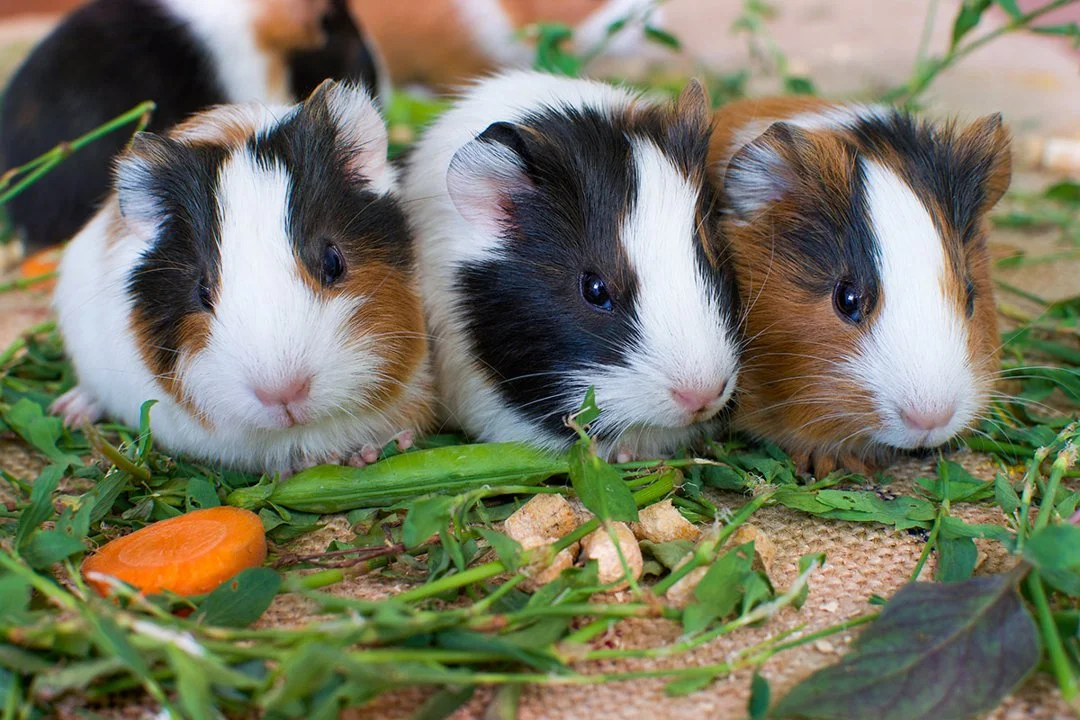
What vitamin deficiencies do guinea pigs get? Prevention focuses on diet quality and routine.
Daily feeding plan basics:
- Unlimited fresh timothy hay.
- Fresh vegetables daily, especially vitamin C–rich greens like bell pepper and kale.
- Measured pellets formulated for guinea pigs, checked for vitamin C content and expiry.
- Fresh water and occasional safe fruits.
Supplement tips:
- Use vet-recommended vitamin C drops if diet lacks fresh vegetables.
- Avoid high-dose multivitamins unless prescribed.
- Store pellets in a cool, dark place and use within the manufacturer's time frame.
Freshness wins. Fresh produce and well-stored pellets reduce risks dramatically.
Risks of over-supplementation and safety
What vitamin deficiencies do guinea pigs get? Overcorrecting can cause harm, so balance matters.
Key safety points:
- Excess vitamin A can be toxic. Don’t give high-dose supplements without vet direction.
- Too much vitamin D leads to calcium deposits and organ damage.
- Vitamin C has a wide safety margin but very large doses can cause digestive upset.
- Long-term unbalanced supplementation can mask underlying problems.
Work with your vet to choose safe supplements and doses. Natural food sources are usually safer than high-dose pills.
Personal experience and practical tips
What vitamin deficiencies do guinea pigs get? Over the years, I treated two guinea pigs with scurvy because owners relied only on old pellets. Both improved quickly after adding fresh bell pepper and a short vet-prescribed supplement.
Lessons learned and tips I share with friends:
- Rotate vegetables to keep meals interesting and nutrient-rich.
- Keep a small notepad to track fresh food intake and signs.
- Buy pellets in small bags you can use fast. Check expiry dates.
- Offer supervised safe sunlight breaks for vitamin D, especially for indoor pets.
Simple habits prevent most cases. Regular observation beats emergency care.
Related concepts and limitations
What vitamin deficiencies do guinea pigs get? Nutrition is only one part of health. Factors that affect vitamin needs include age, pregnancy, illness, and stress.
Keep these limits in mind:
- Lab tests are useful but not always definitive for mild deficiencies.
- Breed and individual variation change needs slightly.
- Some commercial pellets vary widely in vitamin content and stability.
If your guinea pig has chronic issues, combine dietary fixes with veterinary follow-up to rule out other causes.
Frequently Asked Questions of What vitamin deficiencies do guinea pigs get?
What are the signs of vitamin C deficiency in guinea pigs?
Common signs include swollen joints, bleeding gums, lethargy, and difficulty moving. Early treatment reverses many symptoms.
How much vitamin C does a guinea pig need daily?
Most adult guinea pigs need about 10–30 mg of vitamin C per day, depending on size and condition. Follow your vet’s exact dosage recommendations.
Can indoor guinea pigs get vitamin D naturally?
Indoor guinea pigs can get limited vitamin D from food and short supervised sunlight exposure. Lack of natural light raises the risk of deficiency.
Are commercial pellets enough to prevent deficiencies?
Good-quality, fresh pellets help but do not replace daily fresh vegetables. Pellets can lose vitamin C over time, so include fresh produce.
Is it safe to give human vitamin supplements to guinea pigs?
No. Human supplements vary in dose and additives and can be unsafe. Use guinea pig-specific or vet-approved supplements only.
How fast does a guinea pig recover after starting treatment?
Mild deficiencies often improve in days; bone-related recovery may take weeks to months. Follow-up with a vet ensures proper healing.
Conclusion
Guinea pigs most commonly suffer from vitamin C deficiency, with vitamin D, A, and E problems occurring less often. What vitamin deficiencies do guinea pigs get? Knowing the typical shortfalls helps you watch for signs, fix diets, and seek prompt veterinary care. Start with fresh hay, daily vegetables, and sensible pellets to prevent most issues. Take action now: check your guinea pig’s diet, talk to your vet if you see warning signs, and consider a short supplement plan when needed. Leave a comment or share your experience to help other guinea pig caretakers.