
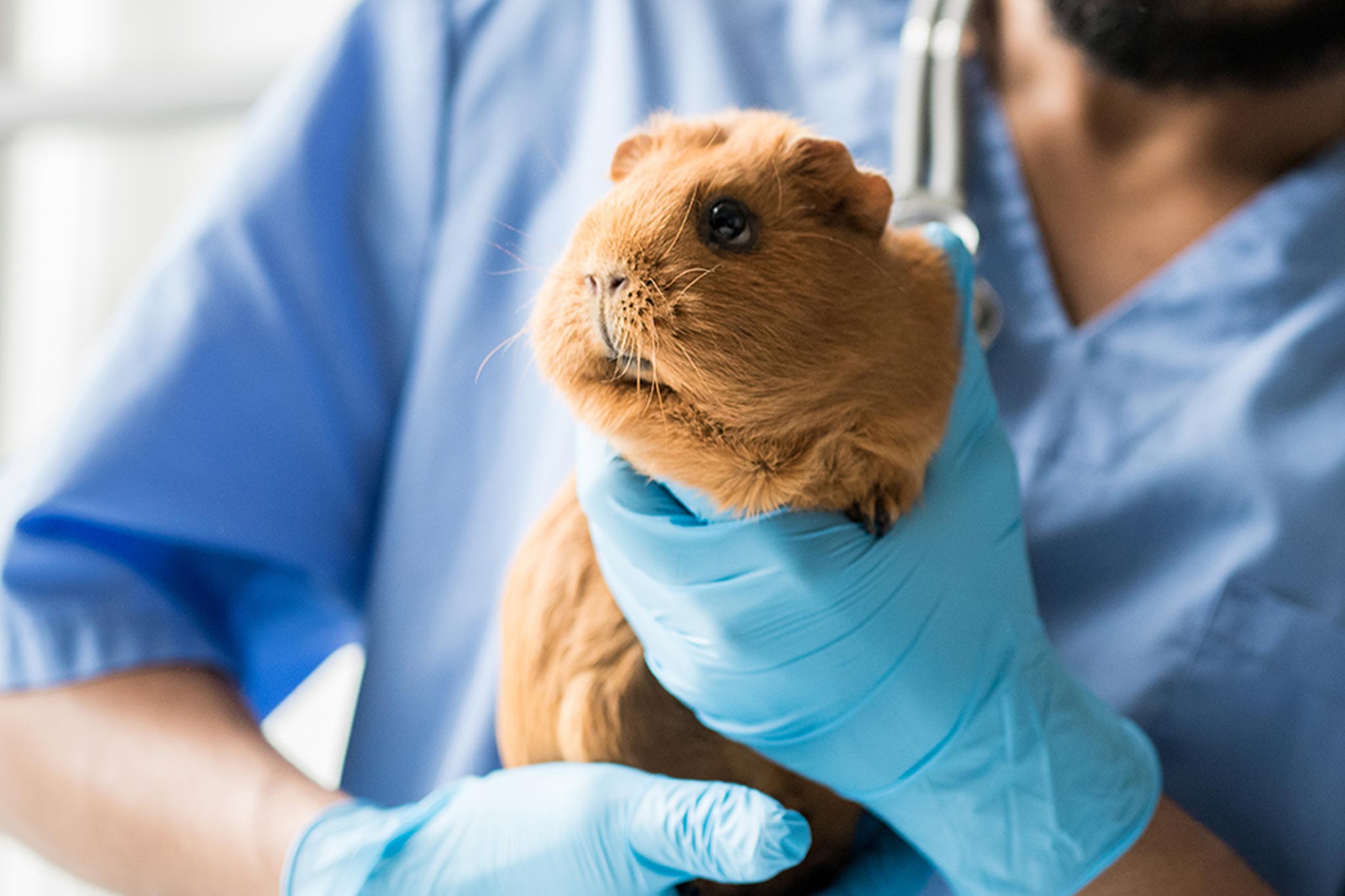
Take your guinea pig to the vet at the first sign of illness, injury, or sudden behavior change.
I have cared for guinea pigs for years and worked closely with veterinarians to spot problems early. This guide explains when should I take my guinea pig to the vet? It gives clear signs, real-life tips, and steps to act fast to keep your pet healthy.

Common signs: When should I take my guinea pig to the vet?
Guinea pigs hide illness well. Small changes can mean big problems. When should I take my guinea pig to the vet? Go when you notice unusual breathing, loss of appetite, or limp behavior. These signs can point to infection, dental trouble, or pain.
Watch these clear warning signs:
- Labored or noisy breathing or wheezing.
- Very little eating or no eating for 12 hours.
- Sudden weight loss or poor coat condition.
- Swelling, bleeding, or wounds that do not heal.
- Lethargy, hiding, or change in stool.
If you see any of the items above, call a vet right away. Quick care often makes the difference. When should I take my guinea pig to the vet? Do not wait more than a few hours for severe signs.

Emergency situations that need immediate vet care
Some problems are emergencies. When should I take my guinea pig to the vet? Go immediately for breathing distress, severe bleeding, collapse, or inability to move. These could be life-threatening.
Other urgent signs:
- Seizures or severe tremors.
- Choking or sudden drooling.
- Large eye injuries or loss of vision.
- Heat stroke signs: fast breathing, drooling, very weak.
In an emergency, call ahead and describe symptoms. The vet can prepare and give faster help. When should I take my guinea pig to the vet? In many emergencies, minutes count.

Dental and digestive issues: common non-emergency but important reasons
Guinea pigs get dental problems often. When should I take my guinea pig to the vet? Visit when drooling, weight loss, or uneven chewing appear. Overgrown teeth can stop eating and cause pain.
Digestive issues to watch:
- Small or no droppings for 12 hours.
- Soft, watery, or very tiny pellets.
- Bloating, a hard belly, or repeated teeth grinding.
These may not feel like emergencies at first. Still, see a vet within 24 hours. Early treatment prevents severe dehydration and complications.
Routine checkups and preventive care
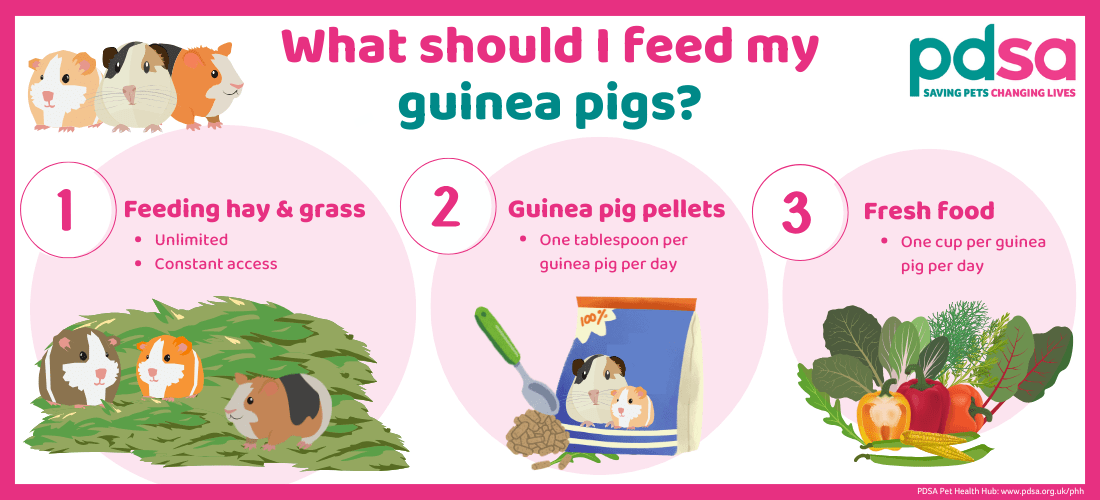
Even healthy guinea pigs need care. When should I take my guinea pig to the vet? Schedule a wellness check at least once a year. Young, old, or sick pets need checks every 6 months.
Routine visits often include:
- Weight and body condition check.
- Dental exam and nail trim.
- Parasite and skin checks.
- Advice on diet, housing, and behavior.
Preventive care lowers the chance of sudden illness. Ask your vet about vaccinations and diet plans. When should I take my guinea pig to the vet? Regular visits catch problems early.
How to prepare for a vet visit
A calm trip helps your guinea pig. When should I take my guinea pig to the vet? Prepare in advance if symptoms allow a planned visit. Pack a small towel, a secure carrier, sample droppings, and a list of recent changes.
Steps to prepare:
- Use a hard or sturdy carrier lined with soft bedding.
- Bring a fresh sample of poop or urine if possible.
- Note exact symptom start time and behavior changes.
- Write down diet, medications, and recent weight.
Keep your pet calm on the drive. Speak softly and cover the carrier lightly to reduce stress. When should I take my guinea pig to the vet? Good prep helps the vet find answers faster.

Costs, timeline, and what to expect at the clinic
Veterinary care varies in cost. When should I take my guinea pig to the vet? Expect initial exam fees, diagnostics like X-rays or bloodwork, and treatment costs. Emergency visits can be more expensive.
What to expect:
- A physical exam and health history.
- Possible diagnostics: fecal test, X-ray, or blood tests.
- Treatment plan: meds, surgery, or supportive care.
Ask for clear cost estimates and payment options. Many clinics offer care plans or payment help. When should I take my guinea pig to the vet? Knowing costs helps you act without delay.
My experience and practical tips
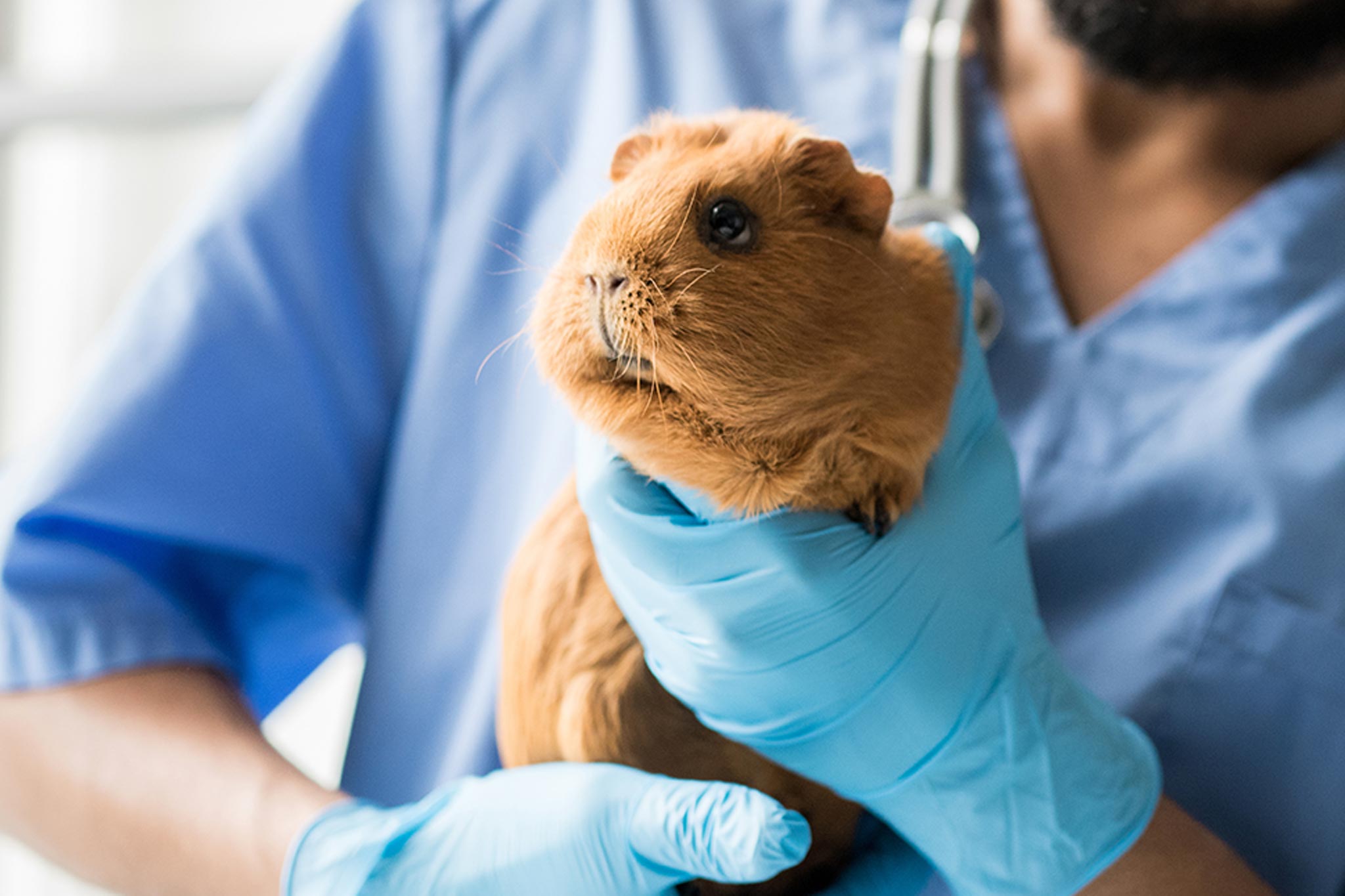
I once missed early drooling in a young pig. The problem grew into a tooth abscess. I learned to weigh my pets weekly and note small changes. When should I take my guinea pig to the vet? At the first odd sign—especially changes in eating or breathing.
Practical tips I use:
- Keep a small notebook with daily weights.
- Use a digital scale and photo of droppings when needed.
- Build a good relationship with a trusted exotic-animal vet.
- Learn basic first aid for heat and minor wounds.
These steps saved time and stress in real moments. Small routines catch big problems early.

PAA-style quick questions
How fast should a vet see my guinea pig with breathing trouble?
Breathing problems require immediate attention. Call a vet now and get an emergency visit.
Can dental issues be treated without surgery?
Mild dental problems may be trimmed or managed with diet. Severe overgrowth or abscess often needs professional treatment.
Is it normal for guinea pigs to hide illness?
Yes. Guinea pigs mask pain. That is why small changes mean you should watch closely and call the vet.
Frequently Asked Questions of When should I take my guinea pig to the vet?
When should I take my guinea pig to the vet if it stops eating?
If your guinea pig stops eating for 12 hours or more, see a vet quickly. Gut stasis can become serious and needs prompt treatment.
When should I take my guinea pig to the vet for breathing noise?
Any new or noisy breathing needs a vet visit right away. Respiratory infections can worsen fast.
When should I take my guinea pig to the vet for weight loss?
If you notice a steady drop or a loss in a few days, book a visit. Weight loss often signals dental or digestive issues.
When should I take my guinea pig to the vet for eye problems?
Go to the vet if the eye is cloudy, swollen, or has discharge. Eye issues can be painful and may need fast care.
When should I take my guinea pig to the vet after injury?
After a fall, bite, or cut, seek veterinary care right away. Even small wounds can become infected or hide deeper harm.
When should I take my guinea pig to the vet for skin problems?
See a vet if you find hair loss, severe itching, or scabs that spread. These signs can mean mites, fungus, or allergy.
Conclusion
Watching your guinea pig closely keeps them safe. Know the signs and act fast when you see changes in eating, breathing, or behavior. Make routine vet visits part of care and keep a trusted clinic ready for emergencies. Take one small step today: write down your guinea pig’s normal weight and the vet phone number. If you found this helpful, share your story, ask a question, or subscribe for more small-pet care tips.