
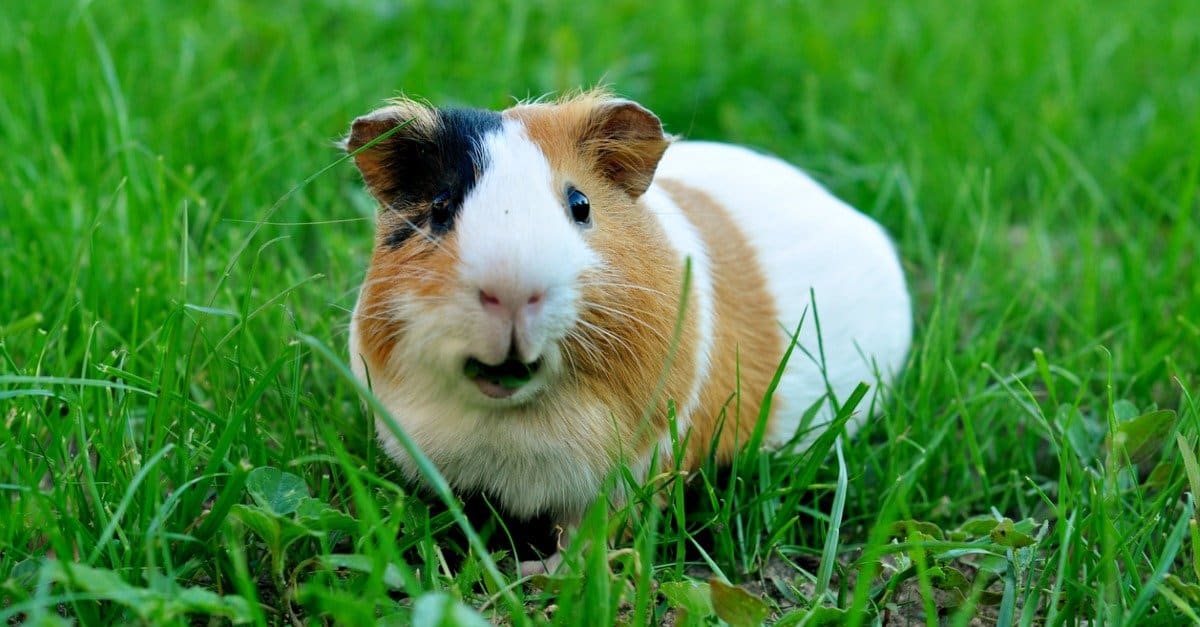
Guinea pigs are not strictly nocturnal; they are mainly crepuscular, active at dawn and dusk.
I’ve studied small mammal behavior and cared for guinea pigs for years, so I know how confusing their sleep cycles can be. This article answers the question "are guinea pigs nocturnal" in depth, explains their natural rhythms, offers care tips, and shares real-life experience to help you keep happy, healthy pets. Read on to learn why understanding their activity patterns matters and how to adapt your routine.

Understanding guinea pig activity patterns
Guinea pigs are social, prey animals with behavior shaped by predators and daylight. Asking "are guinea pigs nocturnal" misses the nuance. They are not true night-only animals. Instead, they tend to be crepuscular. Crepuscular means most active around dawn and dusk. This pattern reduces predation risk in the wild and matches their feeding habits.
Wild ancestors forage during low light. Domestic guinea pigs kept as pets keep similar rhythms. Home conditions, temperature, and human schedules can shift their activity. Knowing this helps you plan feeding, play, and quiet time.

Are guinea pigs nocturnal or crepuscular?
Guinea pigs are mainly crepuscular. They show bursts of activity at dawn and dusk, with quieter periods at midday and during the heart of night. Light, noise, and company all influence their schedule.
Why guinea pigs are not strictly nocturnal
There are clear reasons they avoid a purely nocturnal lifestyle. These factors explain why the question "are guinea pigs nocturnal" often leads to confusion.
- Evolution and predation — Low-light activity lowers predator chances in the wild.
- Diet and digestion — Frequent grazing means short active periods spread through the day.
- Social structure — Guinea pigs rely on group cues; a companion’s daytime activity affects the whole group.
- Light sensitivity — They do not have strong night vision like strictly nocturnal species.
- Environmental cues — Human routines, display cages, and ambient light shape domesticated patterns.
These points show why many guinea pigs will be awake and alert at sunrise and sunset. They may nap during the night rather than staying fully active.

Signs your guinea pig is active at night
Even though they are mostly crepuscular, you might see nighttime activity. Watch for these behaviors.
- Soft chutting or purring when exploring.
- Light chewing on hay or nibbling food.
- Short bursts of running, play, or popcorning.
- Teeth grinding when stressed or uncomfortable.
- Increased vocalizing if disturbed or hungry.
If you hear light noises at night, it’s usually normal. Loud, persistent sounds or frantic activity can signal stress, illness, or poor housing conditions.

Do guinea pigs make noise at night?
Some do. Quiet chewing and low chirps are normal during brief night wakefulness. If noises seem loud, continuous, or paired with odd behavior, check their environment and health.
How to care for guinea pigs given their activity patterns
Tailor care to their crepuscular rhythms. Good care reduces night disturbances and improves pet wellbeing.
- Cage placement — Keep cages in a calm, temperature-stable room. Avoid bedrooms if you are a light sleeper.
- lighting — Provide a natural light-dark cycle. Avoid bright lights at night and direct sunlight midday.
- Feeding schedule — Offer hay and fresh veggies in the morning and late afternoon. This matches peak activity times.
- Social needs — House compatible pigs together. Solo pigs may become more restless and vocal at odd hours.
- Night checks — Make brief, quiet checks if you worry. Use a dim red or warm light to avoid full awakenings.
- Health monitoring — Increased nighttime activity can indicate pain, hunger, or discomfort. Consult a vet when patterns change.
From experience, moving my pigs’ cage to the living room reduced nighttime calls for attention. Regular late-afternoon playtime let them burn energy, so they slept more peacefully at night. One mistake I made was feeding heavy treats right before bedtime; it caused a lot of rustling and wakefulness.

Common misconceptions about nocturnal behavior
Clear up common myths so you can better care for your pets.
- "They are nocturnal and will keep you awake." Most are not truly nocturnal. Noise is usually low and brief.
- "They sleep all day." They nap often but do have regular active windows.
- "You must only handle them at night." Handling at dawn or dusk is fine, but calm daytime handling also works.
- "If active at night, something is wrong." Occasional night activity is normal; sudden changes warrant attention.
Understanding these misconceptions helps you respond calmly and correctly.
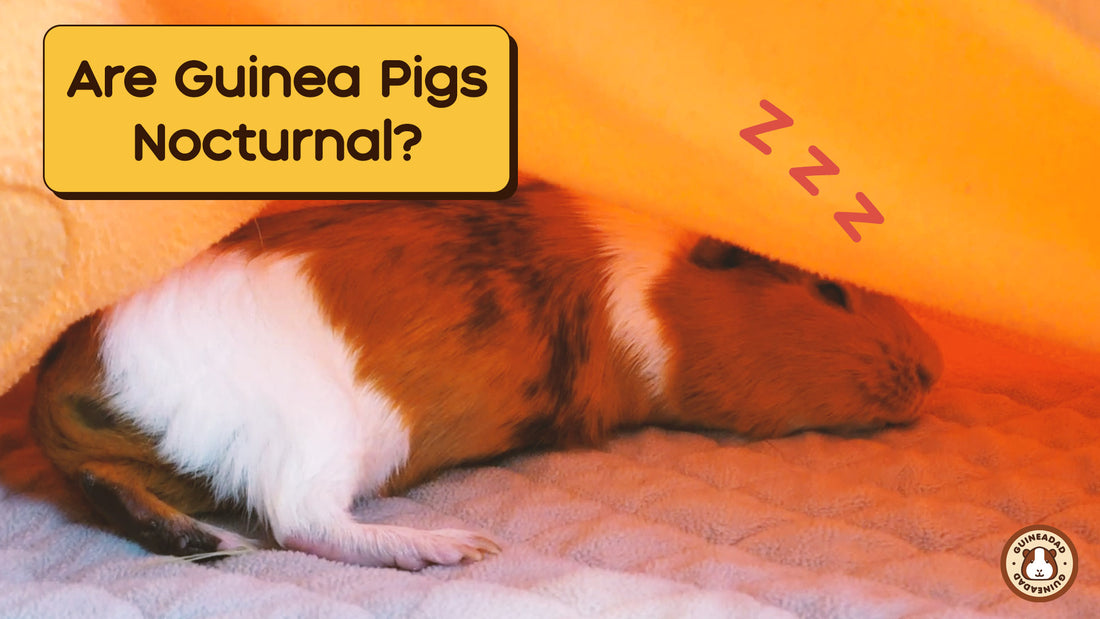
Frequently Asked Questions of are guinea pigs nocturnal
Are guinea pigs nocturnal pets?
No. Guinea pigs are primarily crepuscular. They are most active at dawn and dusk, with rest periods during day and night.
Will a guinea pig keep me awake at night?
Usually not. Nighttime noises are often quiet and brief. Persistent noise should prompt a health and environment check.
Can I change my guinea pig’s schedule?
You can shift their routine somewhat by adjusting feeding times and play. Major changes are slow and may stress the animal.
Do guinea pigs need a light at night?
No. They do best with a regular light-dark cycle. Help them sleep by avoiding bright artificial lights at night.
How do I know if nighttime behavior is a health issue?
Look for sudden changes, constant vocalizing, loss of appetite, or abnormal breathing. Those signs need veterinary attention quickly.
Are baby guinea pigs more nocturnal?
Young pigs nap more and have short active bursts. They follow the same crepuscular tendencies as adults but can be more unpredictable.
Conclusion
Guinea pigs are not strictly nocturnal; they are mainly crepuscular and adapt to light, social cues, and household routines. Understanding that "are guinea pigs nocturnal" is a nuanced question helps you provide better care. Watch their activity, match feeding times to dawn and dusk, and create a calm environment. If you notice sudden changes, consult a vet.
Try shifting one small habit this week—move a meal to dusk or add a short evening play session—and observe the difference. If this article helped, leave a comment about your guinea pig’s schedule or subscribe for more care tips.