

Your guinea pig may scratch due to mites, fleas, fungal infections, allergies, or dry skin.
I’ve worked with small mammals and kept guinea pigs for years, so I know how worrying and persistent scratching can be. This guide explains why is my guinea pig scratching so much?, walks through common causes, shows how vets diagnose and treat the problem, and gives clear, practical steps you can take at home to help your pet feel better fast. Read on for detailed, vet-aligned advice and easy prevention tips.
Causes of Excessive Scratching in Guinea Pigs
Guinea pigs scratch a lot for many reasons. Understanding the root cause helps you respond quickly and safely. Below are the most common causes.
- Parasites
- Mites often cause intense, persistent scratching and bald patches. Some mites are microscopic and require a vet to diagnose.
- Lice are less common but visible as tiny moving specks on fur.
- Fleas are rarer in indoor-only pigs but can occur if exposed to other pets or outdoor areas.
- Fungal infections
- Ringworm causes circular bald patches and flaky skin. It’s contagious to other pets and people.
- Allergies and skin sensitivity
- Dusty or scented bedding, hay molds, or new detergents can trigger scratching and redness.
- Dry skin and poor nutrition
- Low vitamin C, a poor diet, or low humidity can dry the skin and increase itching.
- Dermatitis from contact or injury
- Sores, burns, or contact with irritating chemicals can lead to itch and rubbing.
- Behavioral or stress scratching
- Boredom, stress, or a change in routine can manifest as over-grooming and increased scratching.
Why is my guinea pig scratching so much? Look at symptoms, environment, and recent changes to narrow down the cause. For example, sudden scratching after new bedding points to allergy or irritation, while slow-onset scratching with hair loss suggests parasites or fungal infection.

Source: org.au
Signs to Watch For and When to Act
Early identification gives your guinea pig the best chance of quick recovery. Watch for these signs.
- Intense or constant scratching that interrupts eating or sleeping
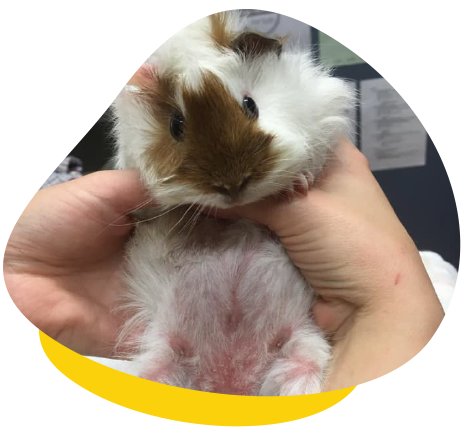
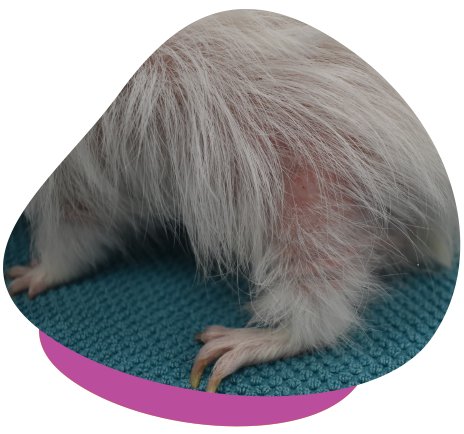
- Hair loss, especially in patches or around the neck and flanks
- Red, inflamed, flaky, or scabbed skin
- Visible pests, tiny moving specks, or black dots (feces of parasites)
- Changes in behavior, appetite, or weight loss
If scratching is severe, widespread, or paired with lethargy or appetite loss, see a vet within 24–48 hours. Mild scratching with normal behavior can be monitored, but don’t delay if symptoms worsen.

Source: youtube.com
How Vets Diagnose the Problem
A vet will use simple, targeted tests to find out why is my guinea pig scratching so much?
- Visual exam to check skin, fur, and body condition
- Skin scraping under a microscope to look for mites or lice
- Fur pluck and fungal culture or Wood’s lamp to detect ringworm
- Skin swabs and cytology to identify bacterial infections
- Blood tests to check overall health and vitamin C levels
These tests are quick and usually minimally invasive. Accurate diagnosis avoids unnecessary treatments and speeds recovery.
Treatment Options and Home care
treatment depends on the cause. Here are common approaches and safe home-care steps.
- For mites and lice
- Prescription topical or oral parasiticides from your vet are most effective.
- Clean and disinfect the cage, toys, and bedding thoroughly.
- For fungal infections
- Antifungal creams or oral meds given by a vet. Keep infected animals separated.
- For allergies and irritation
- Replace bedding with dust-free, unscented options. Wash any new fabrics in mild, fragrance-free soap.
- Remove new foods or items that coincide with symptoms.
- For dry skin and nutrition
- Boost vitamin C through fresh veggies and a vitamin-supplemented pellet. Ensure fresh hay and water.
- Use a humidifier in very dry homes or during winter heating.
- For wounds or dermatitis
- Clean minor wounds with saline, and get vet care for deep or infected sores.
- Behavioral causes
- Enrich the environment with tunnels, chew toys, and company (if appropriate). Avoid changes that raise stress.
PAA-style quick questions
- Can I treat mites at home? Over-the-counter products are often unsafe; always follow your vet’s treatment plan.
- Will bathing help my guinea pig itch? Bathing can stress guinea pigs and is rarely helpful; only bathe when directed by a vet.

Source: nature.com
Preventing Scratching: Daily Care and Environment
Prevention keeps your guinea pig comfortable and reduces vet visits. Simple habits make a big difference.
- Use safe bedding
- Choose paper-based or fleece bedding. Avoid cedar and strong-scented pine.
- Keep a clean cage
- Spot-clean daily and deep-clean weekly. Wash fleece liners weekly.
- Provide a balanced diet
- Unlimited timothy hay, a measured pellet with vitamin C, and daily fresh vegetables.
- Reduce parasite risk
- Limit contact with unknown animals, clean shared spaces, and check new pets.
- Maintain humidity and temperature
- Avoid extreme dryness; keep room between 65–75°F and moderate humidity.
- Regular grooming and checks
- Gently inspect fur weekly for pests, scabs, or hair loss. Handle calm and slow.
These steps help stop scratching before it starts and keep your pet healthy.
Source: com.au
Personal Experience: Lessons from a Guinea Pig Keeper
I once cared for a rescued guinea pig that scratched nonstop for weeks. Vet tests found a mite infestation and low vitamin C. After prescribed treatment, cage sanitation, and diet changes, the scratching stopped within two weeks.
Lessons I learned:
- Quick vet checks save time and stress. Waiting makes conditions worse.
- Clean, dust-free bedding reduced flare-ups immediately.
- Small diet tweaks—more fresh peppers and parsley—improved coat quality.
From my experience, a calm, systematic approach helps most cases. Tackle environment, diet, and veterinary care in that order for steady improvement.

Source: midogtest.com
Frequently Asked Questions of Why is my guinea pig scratching so much?
Why is my guinea pig scratching so much at night?
Nighttime scratching can mean mites, as some parasites are more active in the dark. Monitor for hair loss and see a vet if scratching disrupts sleep or is intense.
Could mites cause hair loss in my guinea pig?
Yes. Mites commonly cause patchy hair loss, intense itching, and flaky skin. A veterinarian can confirm mites with skin scrapes and recommend treatment.
Is it normal for guinea pigs to scratch a little every day?
A little scratching is normal during grooming and shedding. Persistent, intense, or disruptive scratching is not normal and needs investigation.
Can poor diet cause my guinea pig to itch?
Yes. Low vitamin C or poor overall nutrition can dry the skin and worsen itchiness. Offer fresh vegetables and a vitamin-C-fortified pellet daily.
Will changing bedding stop the scratching immediately?
Changing to unscented, dust-free bedding often improves irritation quickly, but parasites or infections need vet treatment. Clean the whole cage to prevent reinfestation.
Conclusion
Scratching in guinea pigs has many causes—parasites, fungal infections, allergies, dry skin, or stress. Start by observing symptoms, checking the environment, and contacting your vet for testing and treatment when needed. With prompt care, cleaner housing, and a good diet, most cases improve quickly.
Take action today: check your pig’s cage, inspect the skin, and call your vet if scratching is severe or persistent. Share your experience or questions below, and subscribe for more practical pet care tips.