
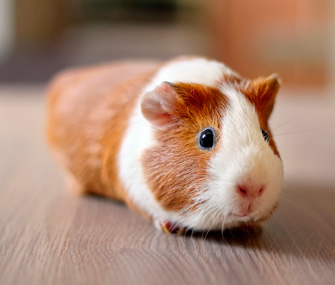
Guinea pigs are indeed rodents; they belong to the order Rodentia and the family Caviidae.
I have studied and cared for guinea pigs for years, and I’ll walk you through the science and practical sides of whether guinea pigs are rodents. This guide explains taxonomy, anatomy, behavior, care implications, myths, and quick answers so you can fully understand why the question "are guinea pigs rodents" matters for owners and enthusiasts.
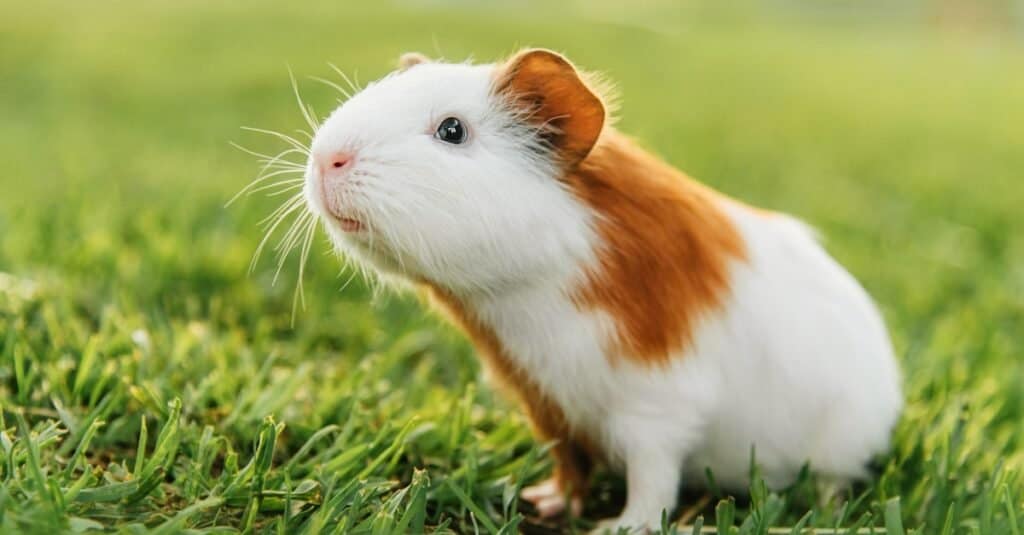
What makes guinea pigs rodents?
Guinea pigs are classified in the order Rodentia. This order includes animals with a single pair of continuously growing incisors in each jaw. These incisors are a hallmark trait of rodents and they shape feeding and chewing behavior.
Key features that explain why guinea pigs are rodents:
- A single pair of upper and lower incisors that grow continuously.
- A skull and jaw structure adapted for gnawing and grinding plant foods.
- Herbivorous diet and a digestive system adapted for fermenting fiber.
- Genetic and taxonomic evidence placing them in the family Caviidae, within Rodentia.
Saying "are guinea pigs rodents" is not just a label. It explains their dental health needs, diet, and common illnesses. Understanding this classification helps owners give better care.
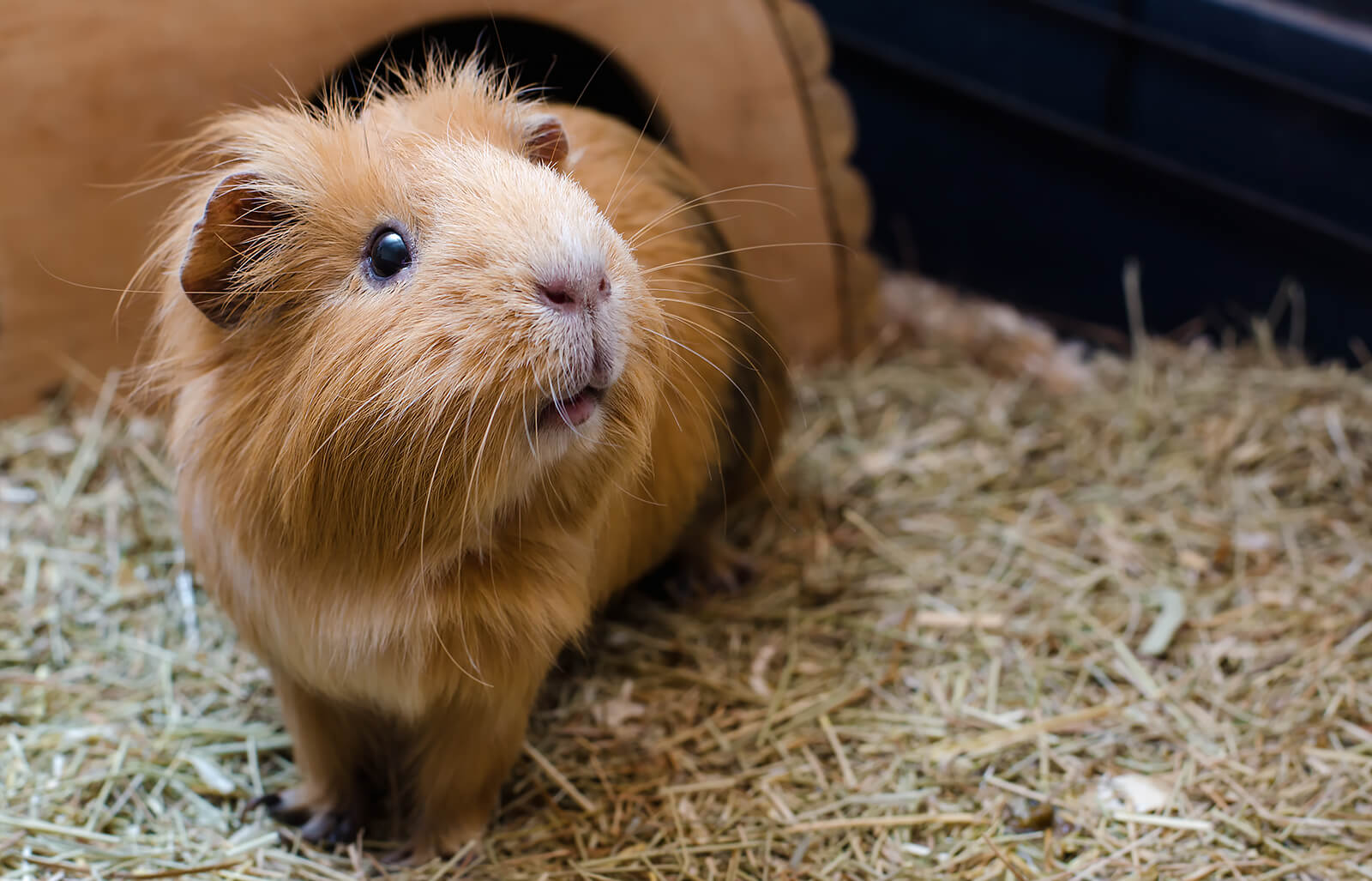
Guinea pigs versus other small pets
People often confuse guinea pigs with rabbits or think they are similar to hamsters, mice, or rats. Clear differences matter when you ask "are guinea pigs rodents" and how that affects care.
How they compare:
- Guinea pigs and hamsters: Both are rodents, but hamsters are smaller, nocturnal, and have different social needs.
- Guinea pigs and rats/mice: All are rodents, but rats and mice are omnivorous and have different housing and enrichment needs.
- Guinea pigs and rabbits: Rabbits are lagomorphs, not rodents. They have extra incisors (peg teeth) and different digestive physiology.
Why this matters: Treating a guinea pig like a rabbit or a hamster leads to diet, social, and housing mistakes. Knowing they are rodents guides how you feed them, how you plan veterinary care, and what to expect behaviorally.
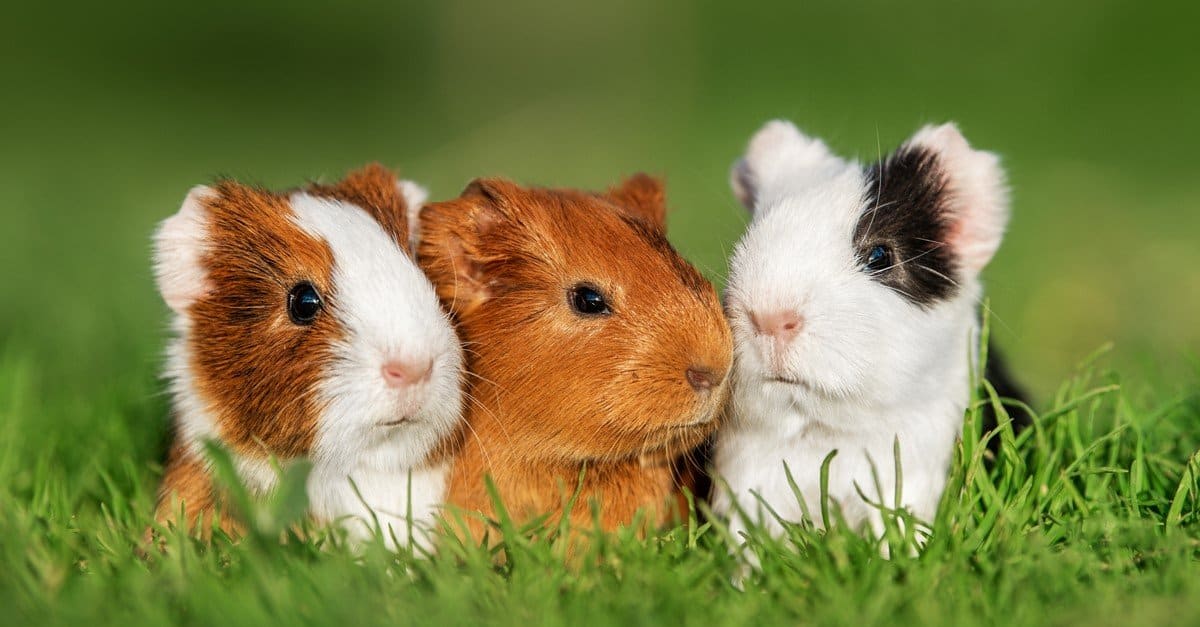
Anatomy and behavior that show rodent traits
Guinea pigs display many classic rodent traits in simple, observable ways.
Anatomy
- Teeth: One pair of incisors in each jaw that never stop growing.
- Skull: Jaw and skull adapted for strong chewing and grinding of fibrous plants.
- Digestive system: Large cecum for fiber fermentation, similar to other herbivorous rodents.
Behavior
- Gnawing: They chew to wear teeth down and to explore.
- Social structure: Highly social and vocal; they rely on herd-like interactions.
- Reproduction: Short gestation relative to many larger mammals, with precocial young that are well developed at birth.
These features answer "are guinea pigs rodents" with real, measurable traits. They also explain why dental checks and fiber-rich diets are essential.
History, evolution, and taxonomy
Guinea pigs have a deep history in South America. They were domesticated thousands of years ago. The domestic guinea pig is Cavia porcellus. It likely descended from wild species in the genus Cavia.
Taxonomic points that prove they are rodents:
- Order: Rodentia
- Family: Caviidae
- Genus: Cavia (domestic species grouped under Cavia porcellus)
Evolutionary notes:
- Rodent ancestors spread widely and adapted to many diets and habitats.
- Guinea pigs evolved strong cheek teeth and a digestive system for high-fiber diets.
- Domestication selected traits like docility and social bonding that make them good companions.
This context helps answer "are guinea pigs rodents" in a historical and evolutionary sense. It also clarifies why some traits differ from other rodent pets.
Care and health implications of being a rodent
Knowing that guinea pigs are rodents changes how you care for them. Below are practical tips tied to their rodent biology.
Diet and nutrition
- Feed unlimited high-quality hay to support dental wear and digestion.
- Offer fresh vegetables daily and a measured amount of guinea pig pellets.
- Provide vitamin C every day because guinea pigs cannot synthesize it.
Dental care
- Check teeth regularly for overgrowth or malocclusions.
- Provide chewable safe items to help wear teeth down naturally.
Housing and enrichment
- Offer enough floor space and social companionship since guinea pigs are social rodents.
- Provide hiding spots, chew toys, and soft bedding.
Common health issues tied to rodent biology
- Dental disease from improper diet.
- Scorbutic signs from vitamin C deficiency.
- Respiratory infections and skin problems that require timely vet care.
Personal note from experience: I once had a guinea pig with overgrown incisors from a low-hay diet. After switching to unlimited fresh hay, adding safe chew toys, and a vet dental trim, the piglet improved quickly. That taught me to prioritize fiber first.
Myths and misconceptions about guinea pigs and rodents
Many myths surround guinea pigs, and they often stem from not knowing that guinea pigs are rodents.
Common myths
- Myth: Guinea pigs are just small rabbits. Fact: Rabbits are lagomorphs, not rodents.
- Myth: Rodents are dirty or mean. Fact: Guinea pigs groom often and are social and gentle when handled correctly.
- Myth: All rodents are pests. Fact: Many rodents make affectionate, long-lived pets.
Clear answers to these myths help you make better choices. Knowing "are guinea pigs rodents" removes false assumptions and leads to improved welfare.
Responsible ownership and vet care
Being rodent owners means learning specific care needs. Veterinary care should be from a vet experienced with small mammals. Regular checkups catch dental and nutritional issues early.
Practical steps
- Schedule annual or semi-annual vet visits.
- Know signs of dental trouble: drooling, poor appetite, weight loss.
- Keep vitamin C sources daily through veggies or supplements.
Trust your veterinarian. If you can, find one with small mammal experience. Good vets help bridge the gap between general dog/cat care and rodent-specific needs.
Frequently Asked Questions of are guinea pigs rodents
Are guinea pigs rodents or rodents-like animals?
Guinea pigs are true rodents. They belong to the order Rodentia and show classic rodent traits like continuously growing incisors.
Do guinea pigs have the same dental problems as other rodents?
Yes, they can have dental overgrowth and malocclusions. Proper hay, chew toys, and vet checks reduce these risks.
Are rabbits rodents instead of guinea pigs?
No. Rabbits are lagomorphs, a different order with distinct dental and digestive features.
Can guinea pigs spread diseases to humans?
Transmission risk is low with healthy guinea pigs. Good hygiene and regular vet care minimize zoonotic risks.
How does being a rodent affect guinea pig lifespan?
Rodent biology gives guinea pigs a typical lifespan of 5 to 7 years for many breeds. Proper diet and vet care can extend healthy years.
Do guinea pigs bite like other rodents?
They can nip if scared or stressed, but they rarely bite aggressively. Gentle handling and socialization reduce nipping.
Are guinea pigs considered pests in the wild?
Wild relatives can be locally abundant, but domestic guinea pigs are companion animals and not considered pests when kept responsibly.
Conclusion
Understanding that guinea pigs are rodents clarifies their needs, health risks, and behavior. This knowledge helps you provide the right diet, choose a vet, and shape a safe, enriching home. Start with unlimited hay, daily vitamin C, social time, and regular dental checks to reflect their rodent biology.