
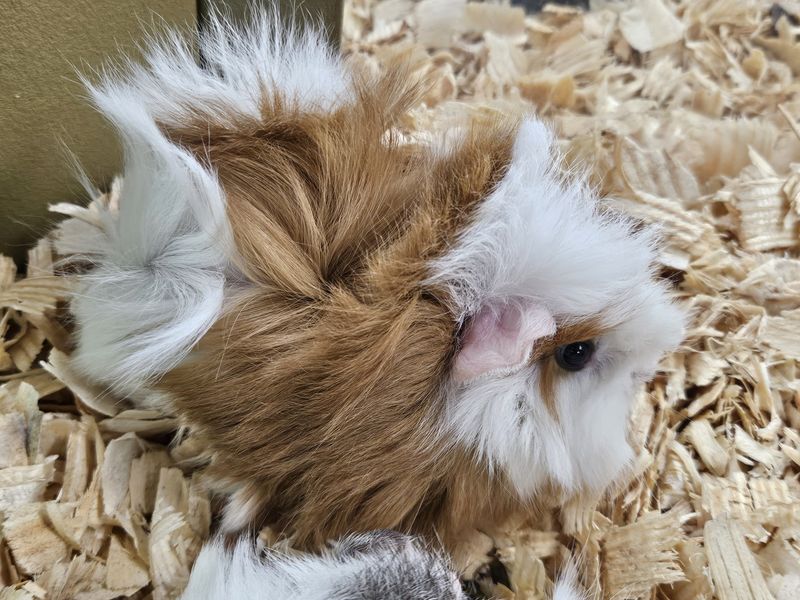
Long-haired guinea pigs need gentle, regular grooming to stay healthy and tangle-free.
I have cared for several long-haired guinea pigs over a decade and have learned what works. This guide on grooming long haired guinea pig walks you through tools, routines, and common problems. I blend practical vet-backed tips with hands-on experience so you can groom with confidence and calm. Read on to learn step-by-step methods, what to watch for, and easy fixes for mats and skin issues.

Why grooming long haired guinea pig matters
Long hair can hide dirt, parasites, and skin problems. Regular grooming keeps the coat clean, prevents painful mats, and reduces the risk of flystrike and infections. A calm grooming routine also helps your guinea pig stay socialized and relaxed during handling. I’ve seen shy pigs become much friendlier after gentle, consistent grooming sessions.

Tools you need for grooming long haired guinea pig
Use the right tools to make grooming safe and quick.
- Slicker brush Gentle on the coat and good for removing loose hair.
- Wide-tooth comb Works through tangles without pulling the skin.
- Small blunt scissors For careful trims and mat removal near the skin.
- Pet-safe clippers Useful for major trims or summer cuts.
- Nail clippers Short, sharp clippers made for small pets.
- Towels and a quiet grooming space For comfort and control during sessions.
I keep an emergency kit with styptic powder and a flashlight. If you use clippers, practice on a calm pig and use low vibration models to avoid stress.
:strip_icc()/GettyImages-505650921-2a3df23198a04356b1c40564e9afda94.jpg)
Daily and weekly grooming routine for long haired guinea pig
A short daily check plus a deeper weekly session keeps things tidy.
- Daily Scan for droppings, damp fur, or small tangles. Remove soiled bedding from the coat and pat dry with a towel if needed.
- Weekly Brush with a slicker brush, comb through for knots, and check skin for redness or mites. Trim hair around the rear and belly as needed.
- Monthly Inspect nails, teeth, and ears. Do a longer comb-through and a gentle trim if the coat grows quickly.
Keep sessions short. Most guinea pigs tolerate 5–10 minute daily checks and one 15–30 minute weekly grooming slot. I let each pet sniff tools first. That reduced fear and cut grooming time by half.

Quick answers readers ask
What is the best brush for long-haired guinea pigs?
A slicker brush and a wide-tooth comb work best together; the brush removes loose hair and the comb finds knots.
How often should I trim the coat?
Trim the belly and rear monthly and do light shaping every 6–8 weeks, or more often in warm months.
Is bathing needed often?
Bath rarely; only for heavy soiling or after vet advice. Frequent baths dry the skin.
Bathing and trimming when grooming long haired guinea pig
Bathing can be stressful. Use it only when necessary.
- When to bathe Only for heavy dirt, sticky waste, or vet-recommended skin treatment.
- How to bathe Use lukewarm water and a tiny amount of small-pet or kitten shampoo. Keep water below the chest. Rinse well and dry gently with towels and a low-heat dryer if the pig tolerates it.
- Trimming Trim hair around the hind end to prevent soiling. For full-body trims, use clippers if you are experienced, or ask a groomer or vet clinic.
I once bathed a rescue that was matted and soiled. I used short sessions, warm towels, and lots of breaks. It took patience, but the pig recovered quickly and the skin cleared up.
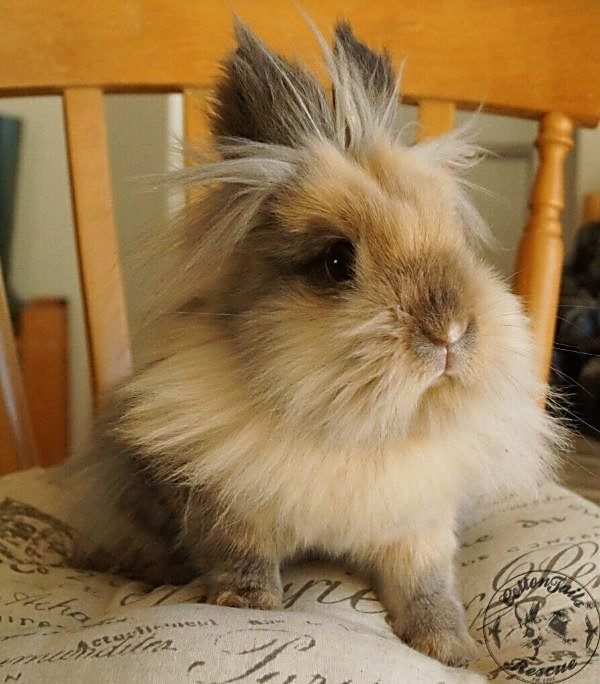
Handling mats and tangles during grooming long haired guinea pig
Mats are the main challenge for long coats. Treat them gently.
- Identify Find mats by running a comb through the coat. Mats often sit near the rear, under the belly, and behind the ears.
- Loosen Hold the base of the hair close to the skin and carefully tease the mat apart with fingers or a wide-tooth comb. This avoids pulling the skin.
- Cut only when needed If the mat is tight or close to skin, use blunt scissors to cut it out. Slide a comb between skin and mat as a guard.
- Prevent Keep the coat short around problem areas and brush regularly to stop new mats.
Never yank at a mat. That causes pain and skin tears. When in doubt, ask a vet or experienced groomer.
Signs of health issues visible during grooming long haired guinea pig
Grooming reveals more than tangles. Watch for these signs.
- Skin redness or sores Could indicate mites, fungal infection, or injury.
- Excessive scratching May point to parasites or allergies.
- Bald patches Could be barbering, obesity-related rubbing, or mites.
- Limping or sensitivity May mean an undetected wound or dental pain.
If you see persistent issues, take photos, note changes, and consult a vet. Early detection during grooming often prevents bigger problems.

Seasonal care and environment tips for grooming long haired guinea pig
Seasons change how you groom and care for the coat.
- Summer Trim the body shorter to keep your pig cool. Increase spot checks for flystrike and dampness.
- Winter Keep hair a bit longer for warmth, but maintain cleanliness to prevent mats.
- Humidity High humidity raises mat risk. Keep bedding dry and replace bedding more often.
- Diet A balanced diet with vitamin C supports healthy skin and coat.
I keep extra grooming in warm months. A short trim plus daily checks helped avoid heat stress in my guinea pigs.
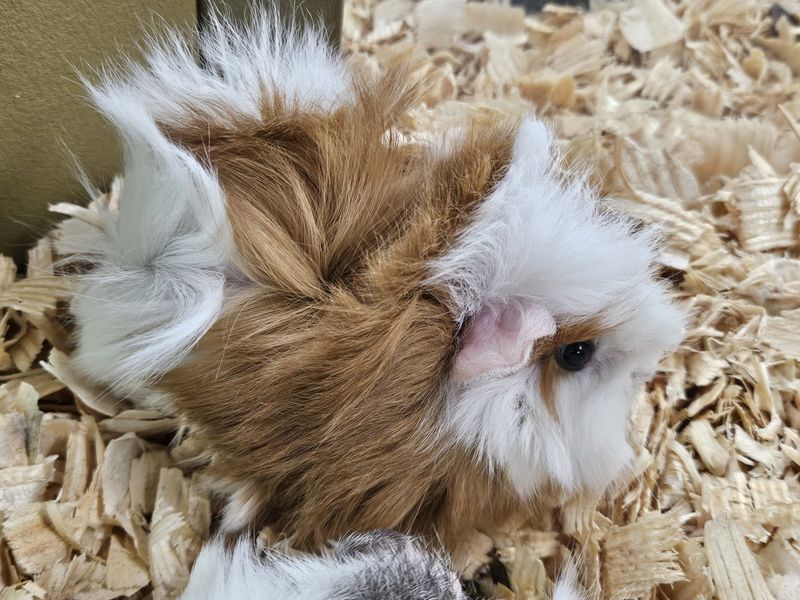
Grooming for shows and special situations when grooming long haired guinea pig
Show grooming needs extra care and polish.
- Preparation Start a training routine weeks before the show. Practice handling and short grooming sessions.
- Coat condition Keep the coat clean, brushed daily, and free of oils and stains.
- Transport Use secure carriers and a towel to protect the coat during travel.
- Professional help For top-level prep, consider a groomer familiar with show standards.
Remember show grooming should still prioritize the animal’s comfort over appearance.
Common concerns and helpful tips from experience
I’ve trimmed nails and wrestled big mats. Here are practical tips I learned.
- Stay calm Your mood affects the guinea pig. Speak softly and move slowly.
- Use treats Soft veg or tiny pieces of oat make sessions positive.
- Two-person method One person soothes and holds; the other grooms for tricky trims.
- Record and track Keep a grooming log of trims, baths, and any skin issues.
- When to seek help Deep mats near skin, signs of infection, or severe stress need a vet or pro groomer.
These tricks saved time and stress. Small wins add up to a calm, healthy grooming routine for your pet.
Frequently Asked Questions of grooming long haired guinea pig
How often should I groom my long-haired guinea pig?
Groom daily for quick checks and brush deeply at least once per week. Trim problem areas monthly or as needed.
Can I shave my guinea pig to avoid matting?
Yes, shaving is an option for heavy mats or hot weather, but do it gently and avoid very close cuts. Consult a vet if you’re unsure.
Is it safe to use human shampoo on a guinea pig?
No. Human shampoos can dry and irritate guinea pig skin; use pet-safe or vet-recommended small-animal shampoo. Rinse thoroughly and dry well.
How do I remove a mat without hurting my guinea pig?
Hold the hair close to the skin, tease apart with a comb, and cut only when the mat is too tight. Work slowly and stop if the pig becomes stressed.
My guinea pig hates grooming. What can I do?
Shorten sessions, use treats, and introduce tools slowly. Consistency and positive reinforcement help most pigs adjust in a few weeks.
Can grooming prevent health problems?
Regular grooming helps spot problems early and reduces risks like flystrike, infections, and discomfort from mats. It’s a key part of preventive care.
Conclusion
Grooming long haired guinea pig is doable with the right tools, short consistent sessions, and a calm approach. Regular brushing, timely trims, and close observation of skin and behavior keep your pet healthy and happy. Start small, build a routine, and seek professional help for deep mats or medical issues. Try one focused grooming session this week and note one improvement—your guinea pig will thank you. Share your grooming wins or questions below and subscribe for more pet care tips.