
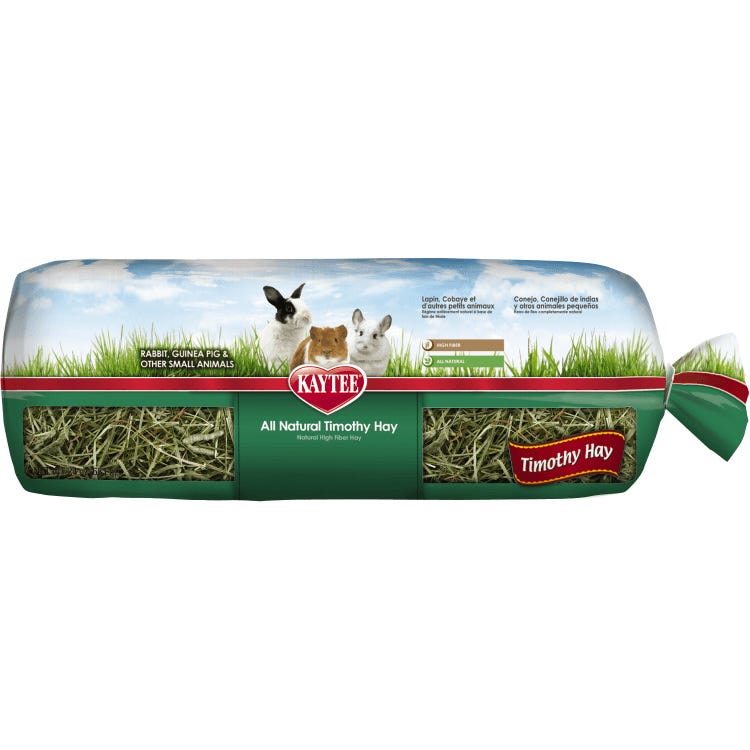
Low calcium food for guinea pigs includes romaine, cucumber, bell pepper, zucchini, and timothy hay.
I’ve worked with guinea pig owners and vets for years, helping reduce urinary stone risk with practical diet changes. This article explains what low calcium food for guinea pigs means, why it matters, which foods are safe, how to feed them, and real tips from my experience so you can protect your pet’s health with confidence.

Why low calcium food for guinea pigs matters
Calcium is essential for bone health. Too much calcium, however, can cause bladder stones and urinary issues in guinea pigs. Adult guinea pigs often do best on a lower calcium diet than young, growing, or pregnant animals.
I have seen guinea pigs improve after switching to low calcium food for guinea pigs and better hay choices. A careful diet lowers stone risk and keeps your pet active and pain-free. Feed choices matter every day.

Source: reddit.com
How calcium affects guinea pig health
Calcium helps bones, but excess calcium can crystalize in the bladder. Common signs of trouble include blood in the urine, straining to urinate, or lots of time sitting in odd positions. Quick detection and diet changes are key.
Adult males and females can form stones from long-term high calcium intake. Regular vet checks and watching for symptoms help catch problems early. Use a low calcium food for guinea pigs to lower long-term risk.

Source: kavee.com
Low calcium foods: safe vegetables and greens
Here are reliable low calcium choices you can feed often. Rotate them for variety and vitamin balance.
- Romaine lettuce — Low calcium and good crunch, a daily option.
- Cucumber — Very low calcium and hydrating, great in small slices.
- Zucchini / summer squash — Low calcium and mild flavor most piggies like.
- Bell pepper (red, orange, yellow) — Low to moderate calcium; high vitamin C. Feed in small amounts.
- Endive and escarole — Low calcium leafy options, good for mix salads.
- Cilantro and basil — Low in calcium; use as a flavor boost in small amounts.
- Green beans — Low calcium and good texture, safe for regular treats.
- Apple (peeled, small pieces) — Low calcium fruit treat, feed sparingly due to sugar.
Always introduce new low calcium food for guinea pigs slowly. Watch for diarrhea or changes in appetite. Fresh water and hay must stay available.

Source: amazon.com
Foods to avoid or limit (high calcium)
Reduce or skip these to keep calcium in check:
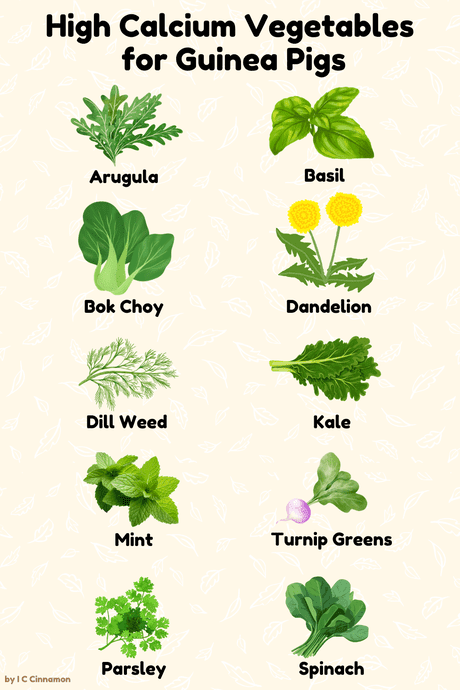
- Spinach — High calcium and oxalates.
- Kale, collards, mustard greens — Often high in calcium; use rarely.
- Parsley — Surprisingly high in calcium; avoid as a daily herb.
- Alfalfa hay — High calcium and protein; best only for young or nursing guinea pigs.
- Dandelion leaves — Nutrient-dense but high in calcium; limit frequency.
- Broccoli and cauliflower — Moderate to high calcium; give sparingly.
Avoid feeding these regularly. If a vet prescribes them for short-term needs, follow instructions closely.
Hay and pellets: core low calcium choices
hay is the backbone of a guinea pig diet. Choose the right type.
- Timothy hay — Low calcium and high fiber. Best daily for adults.
- Meadow hay — Good low-calcium variety with more texture.
- Orchard grass hay — Another low-calcium, gentle option.
- Alfalfa pellets or hay — High calcium; only for young or underweight guinea pigs.
- Adult guinea pig pellets — Pick pellets formulated for adults with controlled calcium. Read the label and avoid added calcium supplements unless vet-recommended.
Always provide unlimited timothy hay and a measured amount of adult pellets. This supports gut health and limits excess calcium intake.

Source: kavee.com
Creating a balanced low calcium meal plan
A simple weekly plan keeps things clear and safe.
- Daily staples
- Unlimited timothy hay.
- 1/8 to 1/4 cup adult guinea pig pellets per 2–3 lbs body weight.
- Fresh water available at all times.
- Daily greens (about 1 cup per 2 lbs)
- Rotate romaine, cucumber, and bell pepper across the week.
- Weekly variety and fruit treats
- Offer low-calcium fruits like apple slices 2–3 times per week.
- Avoid sugar-heavy or high-calcium items.
Will my guinea pig get enough calcium on a low calcium diet? Yes. Adult guinea pigs need less calcium than young ones, and proper hay plus measured pellets supply what they need.
How soon will diet change reduce stone risk? Diet helps over weeks to months; vet care is essential if stones already exist.

Source: reddit.com
Signs of calcium-related problems and when to see a vet
Know the red flags. If you spot any of these, contact your vet right away.
- Blood in the urine or cloudy urine.
- Straining to urinate or frequent attempts with little output.
- Hunching, teeth grinding, or sudden loss of appetite.
- Lethargy or hiding more than usual.
Early vet diagnostics can confirm stones with X-rays or ultrasound. Diet change helps prevent new stones but may not dissolve existing ones. Prompt care matters.

Source: amazon.in
Personal experience and practical tips
I once worked with a rescue that had multiple guinea pigs with urinary issues. Switching adult pigs to timothy hay, romaine, cucumber, and careful pellet portions reduced new cases. A few practical lessons:
- Introduce new low calcium food for guinea pigs slowly. One new item every few days avoids upset tummies.
- Measure pellets. Free-feeding can raise calcium intake.
- Keep a feeding log for picky or older pigs to track what causes issues.
- If a vet prescribes a higher-calcium supplement, follow their plan and monitor closely.
These small habits prevent big problems.
Source: iccinnamon.com
Limitations and things to watch
No diet is one-size-fits-all.
- Growing, pregnant, or nursing guinea pigs need more calcium. Consult your vet before changing diets.
- Individual metabolism varies; some pigs form stones despite a low calcium food for guinea pigs. Monitoring is vital.
- Vitamin C must stay adequate. Low calcium choices should not replace vitamin C sources like bell pepper or vet-approved supplements.
Be honest with your vet about home diet details. That helps tailor safe plans for your guinea pig.
Shopping and label tips
When choosing pellets and prepared mixes, check labels closely.
- Look for adult-formula pellets with calcium around 0.5% to 1.0% (follow vet guidance).
- Avoid mixes with lots of dried fruits or high-calcium herbs.
- Buy fresh hay from reputable suppliers. Smell and texture indicate quality.
Smaller, frequent purchases of fresh hay and produce keep food fresh and reduce waste.
Frequently Asked Questions of low calcium food for guinea pigs
What everyday vegetables are safest as low calcium food for guinea pigs?
Romaine lettuce, cucumber, zucchini, and green beans are safe daily choices. Rotate them and avoid high-calcium greens like spinach and parsley.
Can I feed my guinea pig bell pepper every day?
Bell pepper provides vitamin C and is relatively low in calcium; offer small pieces a few times per week. Monitor for any digestive upset.
Is timothy hay enough calcium for adult guinea pigs?
Yes. Timothy hay with a measured pellet portion supplies suitable calcium for most adult guinea pigs. Young and pregnant pigs need different hay like alfalfa on vet advice.
How do I know if my guinea pig has bladder stones?
Watch for blood in urine, straining, frequent attempts to pee, and pain signs like teeth grinding. Visit a vet immediately for diagnosis and treatment.
Can fruits be part of a low calcium food for guinea pigs plan?
Yes, but keep fruits small and infrequent due to sugar. Apples and berries are low in calcium and good occasional treats.
Should I stop pellets entirely to reduce calcium?
No. Adult guinea pig pellets provide balanced nutrients when measured. Removing pellets risks vitamin and mineral gaps; consult your vet before major changes.
Conclusion
Low calcium food for guinea pigs protects adult pets from urinary stones while keeping them healthy and active. Focus on timothy hay, safe vegetables like romaine and cucumber, measured adult pellets, and avoiding high-calcium greens. Start small, watch your pig closely, and work with your vet for the best plan. Try one change this week—swap alfalfa for timothy hay or add a cucumber slice—and see how your guinea pig responds. Leave a comment or share your own experience, and subscribe for more practical pet diet tips.